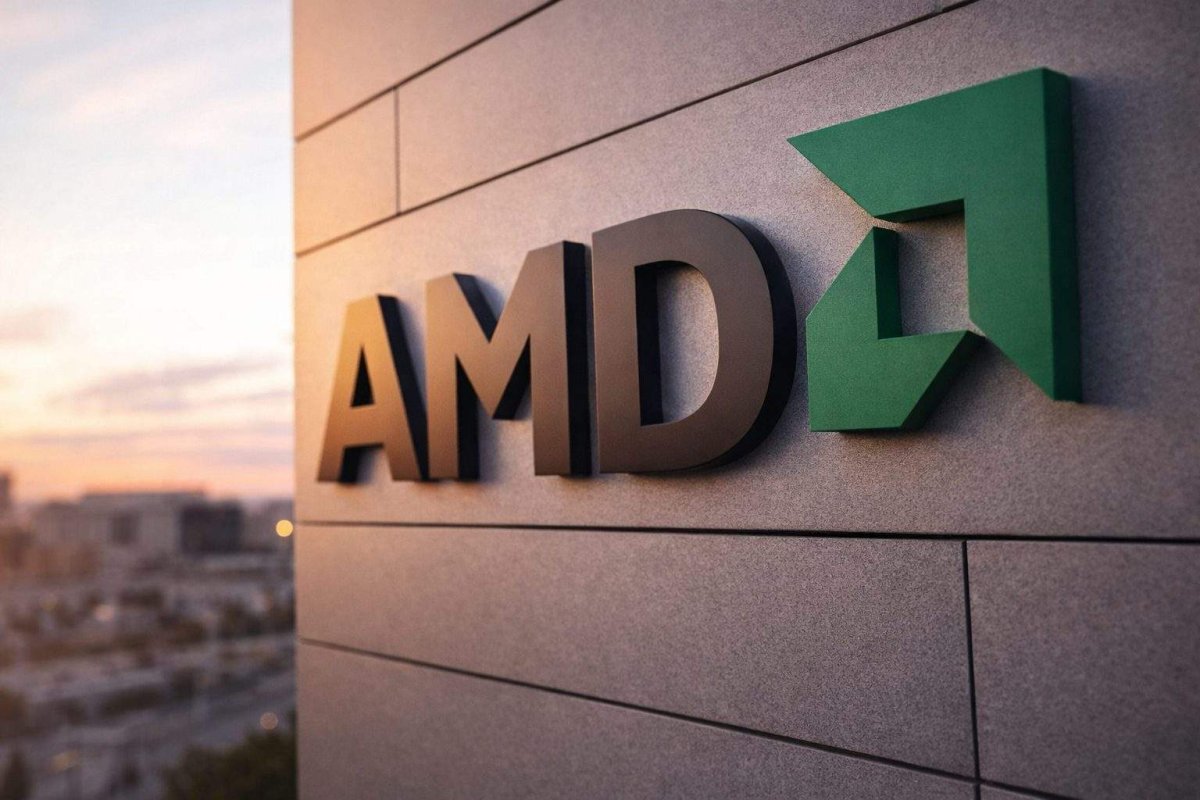
Advanced Micro Devices staged a notable recovery on Friday, with shares climbing 8.2% to close at $208.44. This rebound followed a steep 13% decline earlier in the week, driven by concerns over the company's revenue guidance and competitive pressures in the artificial intelligence chip sector.
Chip Sector Leads Broad Market Advance
The Philadelphia Semiconductor Index surged 5.7% as semiconductor stocks powered a wider market rally. The rebound suggests some investors are reconsidering earlier pessimism about AI infrastructure spending, with technical buying emerging after what some analysts viewed as an overdone selloff.
AMD's volatility highlights the market's sensitivity to execution concerns among AI-focused companies. The chipmaker had projected first-quarter revenue of approximately $9.8 billion (±$300 million), representing a sequential decline but slightly exceeding average analyst expectations. CEO Lisa Su pointed to anticipated demand growth for next-generation AI servers in the second half of the year.
China Sales and Supply Chain Dynamics
Sales to China remain a focal point for AMD's near-term outlook. The company reported $390 million in AI chip revenue from China during the fourth quarter, with another $100 million anticipated in the current quarter. However, supply chain constraints present ongoing challenges, with some AMD server processors facing delivery delays of eight to ten weeks for Chinese clients.
Intel has reportedly warned of even longer lead times—up to six months—for certain products. While supply constraints can support pricing, they also risk limiting shipment volumes, creating a delicate balance for investors monitoring AI rollout timelines.
Macroeconomic Data Looms Large
Attention now shifts to upcoming economic indicators that could reshape interest rate expectations. The U.S. Employment Situation report for January arrives on Wednesday, February 11, followed by January's Consumer Price Index data on Friday, February 13. Both releases carry significant potential to move bond yields and, consequently, high-valuation technology stocks.
As markets recalibrate expectations for Federal Reserve policy, growth-oriented sectors like semiconductors remain particularly sensitive to shifts in the rate outlook. Friday's rally demonstrates how quickly sentiment can change, but next week's data may determine whether the recovery has staying power.