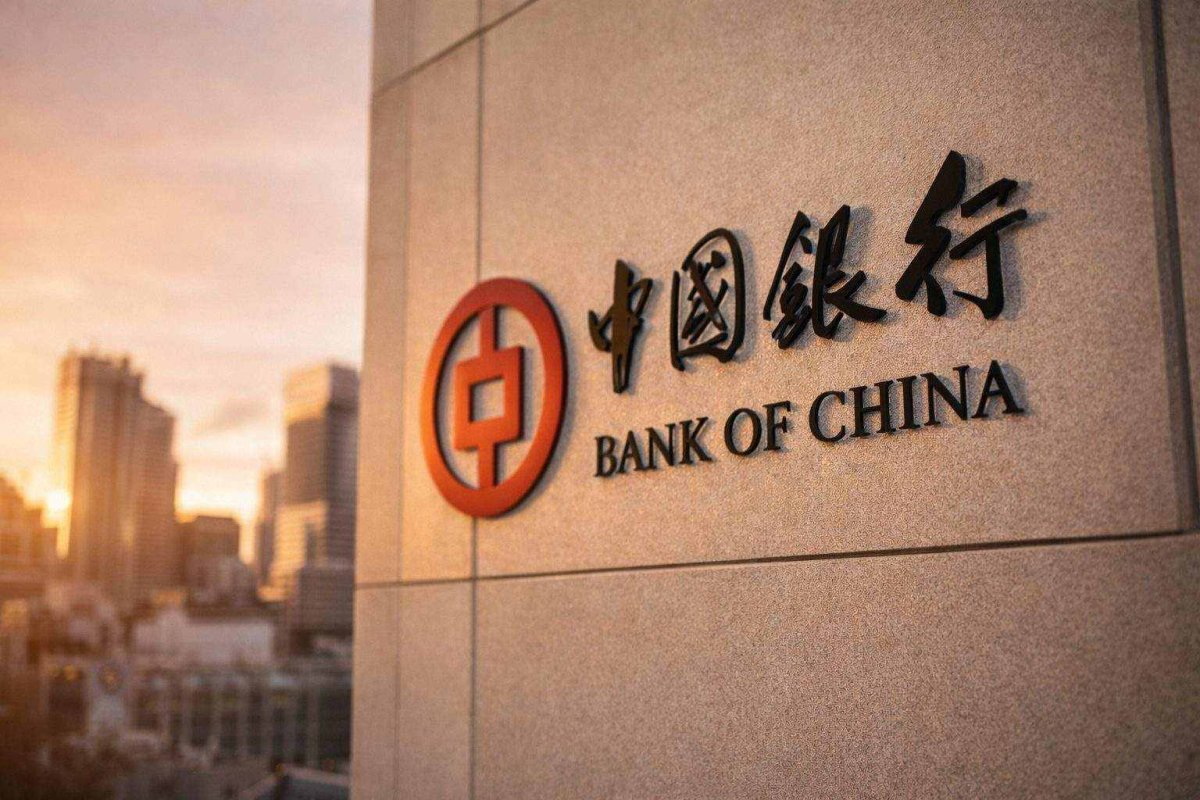
Bank of China's Shanghai-listed A-shares concluded Friday's trading session with a decline, settling at 5.35 yuan, which represented a drop of 0.93%. This movement underperformed the broader SSE Composite Index, which retreated 0.25%. Trading volume for the session reached approximately 1.45 billion yuan, with the stock fluctuating between 5.33 and 5.43 yuan. Year-to-date, the share price has decreased by roughly 6.6%.
Governance Scrutiny Emerges
The financial institution finds itself under a renewed spotlight following official reports from state media. Former Vice President Lin Jingzhen has been expelled from the Communist Party due to what authorities described as "serious violations of discipline and law." This terminology is commonly employed in official communications to denote corruption investigations. Lin had previously stepped down from his role at the bank in 2025. The report did not provide specific details regarding the nature of the alleged misconduct, leaving the financial community to assess the potential ramifications.
Market Context and Sector Pressures
The development arrives at a sensitive time for China's banking sector. Investors are already grappling with a complex policy environment where authorities aim to sustain credit growth to support the economy while simultaneously protecting bank profitability. Net interest margins (NIM) across the industry remain under pressure, squeezed by a slower economic pace and subdued loan demand. Analysts, such as Karen Wu from CreditSights, anticipate this downward pressure on NIM to continue into 2026 absent a meaningful recovery in credit appetite.
Furthermore, Beijing has been urging major state-owned lenders to bolster their capital bases. In a coordinated move last March, Bank of China joined three other leading financial institutions in announcing plans to raise a collective 520 billion yuan (approximately $71.6 billion) through private placements, aimed at reinforcing core capital ratios.
Immediate and Forward-Looking Risks
The immediate question for shareholders is whether the disciplinary action against the former executive remains an isolated incident or precipitates broader scrutiny. Markets will watch closely for signs of extended internal probes, management reshuffles, or resignations that could drag the bank's governance into an extended period of uncertainty. Historically, such headlines can rapidly erode investor confidence in financial stocks, which often trade with low volatility as yield-oriented investments until governance shocks occur.
Additional sector risks persist. Further policy directives to lower lending rates or increased exposure to troubled property sector debt could deliver another blow to profitability and rekindle concerns over asset quality. Traders are also monitoring currency movements; on Friday, the yuan was poised for its eleventh consecutive weekly gain against the U.S. dollar, supported by export strength and seasonal capital inflows—a factor that also influences the macroeconomic backdrop for Chinese banks.
Looking ahead, investor attention will be split between potential developments in the Lin Jingzhen case and the bank's upcoming financial disclosures. Bank of China has scheduled the release of its 2025 annual results for March 30. This report will provide a crucial update on the bank's financial health amidst the current challenges. The Hong Kong-listed H-shares of the bank were last reported down about 0.4%.