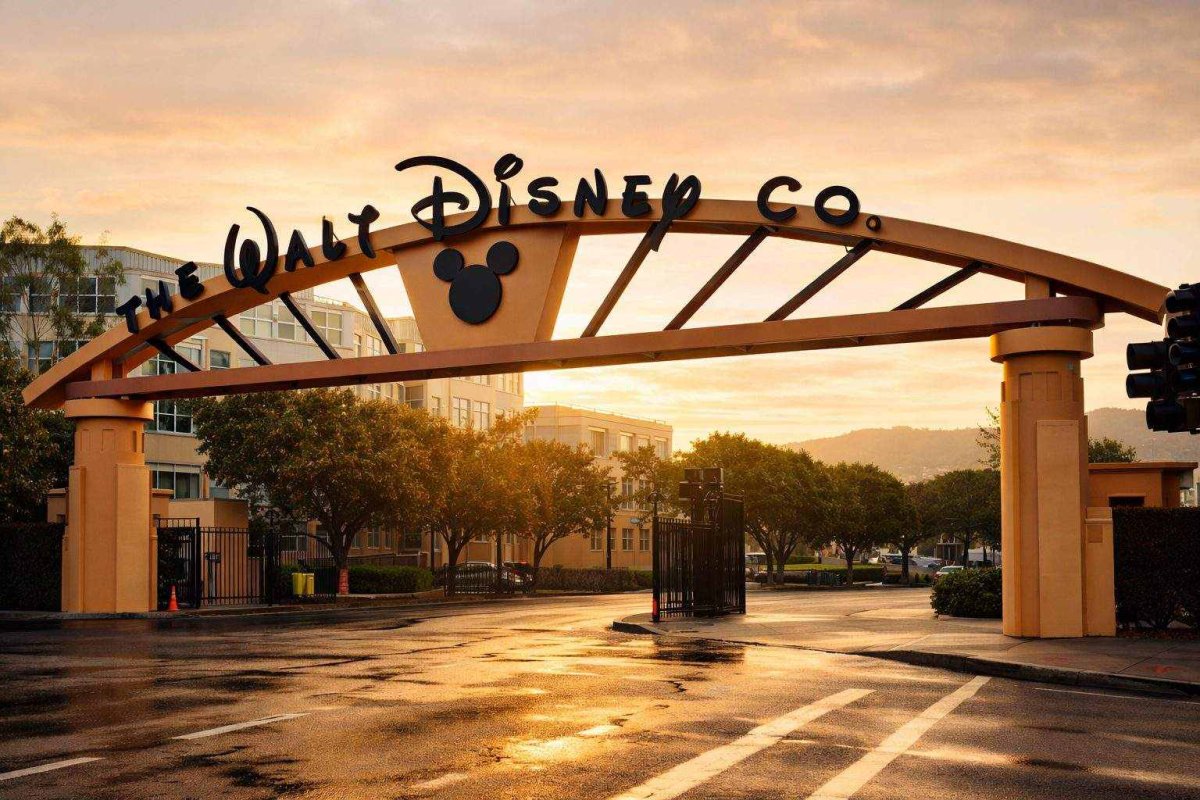
Shares of The Walt Disney Company concluded Friday's trading session with a notable advance, rising 3.6% to close at $108.70. This upward move allowed the entertainment giant to recoup a portion of the losses sustained earlier in the week, riding a broader wave of optimism that swept across U.S. equity markets. The rally was underscored by the Dow Jones Industrial Average surpassing the 50,000 mark, a significant psychological threshold for investors, signaling a renewed appetite for risk assets.
The positive shift in market sentiment arrives at a critical juncture for Disney, which is navigating a complex transformation of its media and entertainment operations. The company's primary growth engines—its direct-to-consumer streaming services and its parks, experiences, and products segment—are particularly sensitive to shifts in investor confidence. In stable markets, the focus tends to be on operational execution and subscriber metrics. However, during periods of volatility, the narrative often pivots to concerns over customer churn, pricing power, and the persistent decline of traditional linear television revenue.
Streaming's Super Bowl Litmus Test
Attention now turns to the immediate future, where the economics of sports streaming will be under intense scrutiny. The upcoming Super Bowl presents a major, real-time case study. The event highlights the accelerating migration of live sports viewing from traditional pay-TV bundles to direct-to-consumer streaming platforms. This transition is applying considerable pressure on networks like Disney's ESPN, challenging their ability to maintain pricing leverage in an increasingly fragmented and competitive landscape.
According to analysis, ESPN expended approximately $12.5 billion on global programming and production costs in the fiscal year through September. This substantial investment underscores the high-stakes nature of the sports media business. The fundamental challenge for standalone sports streaming services is subscriber volatility; viewers can cancel subscriptions at any time, unlike the traditional cable bundle which provided a more stable, albeit declining, revenue base.
Financial Performance and Strategic Goals
Disney recently reported its quarterly financial results, revealing revenue of $25.98 billion and adjusted earnings per share of $1.63. A key area of focus was a 9% year-over-year decline in segment operating income, which totaled $4.6 billion. Despite this, the company reaffirmed its commitment to strategic financial targets. Management stated it remains on track to repurchase $7 billion worth of its own stock and is focused on achieving a 10% operating margin in its subscription video-on-demand (SVOD) business by the conclusion of fiscal year 2026.
Leadership in Transition
Another significant factor for investors is the impending leadership change at the highest level. The company has designated Josh D’Amaro, currently the chairman of Disney Parks, Experiences and Products, as the successor to the CEO role. The board of directors plans to formalize this appointment at the annual investor meeting scheduled for March 18. Board chair James Gorman has publicly endorsed the selection, calling D’Amaro a "fabulous choice" to lead the company through its next chapter.
The competitive environment remains intense. Rivals including Netflix, Amazon, Fox, and Comcast are all aggressively expanding their sports and entertainment offerings on streaming platforms. The industry trend of "rebundling"—offering combined services to reduce subscriber friction—is gaining momentum as companies seek to prevent customers from cycling between different apps each month.
The risks associated with this strategy are evident. If consumers resist the general upward trend in streaming subscription prices, especially for sports-centric packages, churn rates could increase. Higher churn would subsequently put pressure on advertising revenue, a crucial income stream for the streaming ecosystem. Meanwhile, Disney's parks business, while a consistent performer, remains susceptible to broader economic cycles and fluctuations in international travel patterns.
As trading resumes next week, market participants will be closely monitoring post-Super Bowl data on viewership trends and advertising demand. A key question is whether Disney can sustain Friday's momentum. The next major corporate event is the March 18 annual meeting, which will formalize the CEO transition and likely provide further strategic updates to shareholders.