U.S. energy equities closed the trading session on Friday, February 7, 2026, with notable gains, as geopolitical tensions in the Middle East injected a risk premium into the sector. The S&P 500 Energy Sector index advanced 1.88% to settle at 820.03, reflecting a market dynamic increasingly driven by supply concerns rather than operational fundamentals. This shift underscores a heightened sensitivity to potential disruptions in global crude flows.
Geopolitical Tensions and Oil Price Movements
Benchmark crude oil prices rebounded during the session, with Brent crude futures closing at $68.05 per barrel and U.S. West Texas Intermediate finishing at $63.55. The price recovery occurred amid renewed geopolitical friction, following a warning from Iran that it would target U.S. bases in the region if it came under attack. Concurrently, diplomatic channels hinted at a potential reopening of indirect nuclear negotiations between Tehran and Washington, creating a complex backdrop of conflict and diplomacy that traders are closely monitoring.
Major Energy Equities and Corporate Strategy
Leading integrated oil companies participated in the sector's rally. Exxon Mobil shares gained 2.03% to close at $149.05, while Chevron edged up 0.91% to $180.86. ConocoPhillips saw a more significant increase of 2.51%, ending the day at $107.62. The broader market sentiment was captured by the Energy Select Sector SPDR Fund (XLE), which closed at $53.25.
Investor focus also remained on corporate strategy, particularly after ConocoPhillips detailed plans on Thursday to reduce both capital and operational expenditures by a combined $1 billion in 2026. This initiative follows quarterly earnings that fell short of expectations, pressured by weaker crude prices. The company's leadership emphasized a dual priority of cost discipline and returning 45% of cash from operations to shareholders. Analysts, however, continue to scrutinize the timeline for a sustained improvement in free cash flow, which is critical for funding shareholder returns.
Supply-Side Developments and Price Adjustments
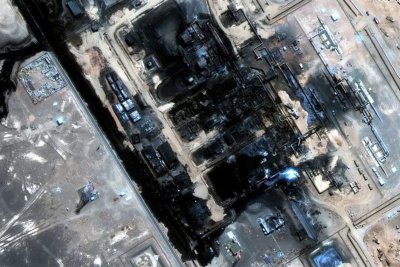
Specific supply disruptions contributed to market unease. According to trade sources, exports of Kazakhstan's CPC Blend crude could decline by as much as 35% this month. This potential reduction stems from operational disruptions at the giant Tengiz oilfield following fires in January. Volumes shipped via the Caspian Pipeline Consortium may fall from approximately 1.7 million barrels per day to just 1.1 million.
In a separate but significant pricing move, Saudi Aramco reduced its official selling price for March-loading Arab Light crude destined for Asia. The new price, set against the Oman/Dubai benchmark, reached its lowest level in over five years, dating back to before 2019. Market analysts viewed the adjustment as supportive for regional price structures, though some noted that traders had anticipated an even larger cut.
Market Outlook and Upcoming Data
The current environment presents a two-sided risk for energy markets. While escalating tensions can sustain a geopolitical premium in oil prices, any successful diplomatic de-escalation could rapidly erase that premium. Traders remain vigilant for signs that global supply may be outstripping demand, a factor that could pressure prices irrespective of geopolitical events.
The market will soon digest a series of influential data releases. The U.S. Energy Information Administration is scheduled to publish its Short-Term Energy Outlook on February 10, followed by its weekly petroleum status report on February 11. Furthermore, both OPEC and the International Energy Agency will release their closely watched monthly oil market assessments on February 11 and February 12, respectively, providing critical updates on global supply, demand, and inventory trends.