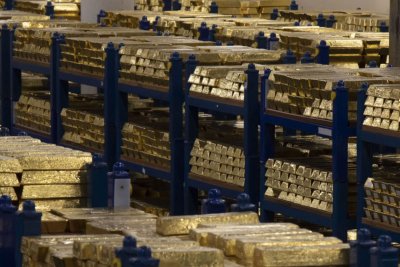
Gold prices experienced a significant rally on Friday, climbing 3.9% to approach $4,955 per ounce. U.S. gold futures for April delivery settled just under $4,980, pushing the precious metal close to the psychologically important $5,000 threshold as trading concluded for the week.
Exchange Actions and Market Drivers
The CME Group increased margin requirements for both gold and silver futures contracts in response to elevated market volatility. Initial and maintenance margins for COMEX 100-ounce gold futures were raised to 9% from 8%, while silver futures margins increased to 18% from 15%. These adjustments, effective after Friday's close, represent standard exchange measures to manage risk during periods of sharp price movements.
Market analysts attributed the rally to several factors, including a 0.2% decline in the U.S. dollar and ongoing geopolitical developments that supported safe-haven demand. According to Kitco Metals senior analyst Jim Wyckoff, the activity suggested "perceived bargain hunting," though he noted that establishing fresh highs would likely require a "major geopolitical trigger."
Physical Demand Diverges Globally
Physical gold buying showed mixed signals across key markets. In India, dealer premiums dropped sharply to approximately $70 per ounce over official domestic prices, down from $153 the previous week, as price volatility discouraged buyers. Conversely, Chinese demand remained robust ahead of the Lunar New Year, with Wing Fung Precious Metals reporting "very good" interest during price dips.
Other precious metals, including silver, platinum, and palladium, also rebounded on Friday, demonstrating correlated trading behavior that some strategists interpret as a unified risk trade rather than traditional safe-haven activity.
Critical Week Ahead for Market Direction
The immediate focus shifts to upcoming U.S. economic releases, including January payroll data on Wednesday and Consumer Price Index figures on Friday. These reports, delayed by a brief government shutdown, will provide crucial signals about inflation trends and labor market strength that could influence Federal Reserve policy expectations.
Market participants remain cautious about gold's sustainability near current levels. Strong employment or inflation data could bolster the dollar and Treasury yields, potentially pressuring non-yielding bullion. Additionally, elevated margin requirements may exacerbate selling pressure during any market downturn, transforming routine corrections into more pronounced declines.
As Asian markets reopen Monday, attention will center on whether gold can maintain its position near $5,000 or succumb to the volatility that characterized recent trading. The subsequent U.S. economic releases will likely determine the metal's trajectory for the coming weeks.