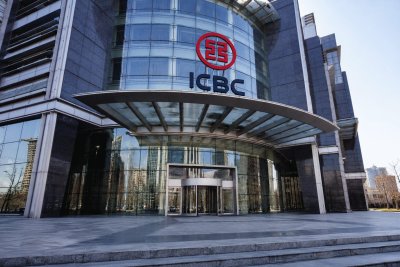
China Construction Bank's Shanghai-listed A-shares concluded trading at 8.84 yuan, marking a marginal increase of 0.1% from the prior session. As the market prepares for its next opening at 9:30 a.m. local time, investors are evaluating several key factors that could influence the trajectory of the stock, identified by the ticker symbol 601939.
Regulatory Scrutiny Intensifies in Digital Asset Space
Chinese authorities have recently reinforced their regulatory stance concerning digital assets. The securities watchdog announced enhanced oversight for tokenized asset-backed securities (ABS) issued overseas but linked to domestic Chinese assets. This move explicitly reiterates the existing prohibition on cryptocurrency-related business activities within the country. Concurrently, regulators have forbidden the unauthorized offshore issuance of yuan-pegged stablecoins and instructed financial institutions to avoid any involvement with such instruments. Analysts note this creates a distinct regulatory separation between virtual currencies and tokenized representations of real-world assets (RWA), potentially influencing sectors adjacent to traditional finance.
Inflation Data Looms as Critical Catalyst
Market participants are keenly awaiting the release of China's January consumer price index (CPI) and producer price index (PPI) figures, scheduled for publication on February 11. This data is considered a pivotal gauge for the nation's economic health and a primary input for monetary policy decisions. The readings will directly shape market expectations regarding the potential for further interest rate cuts by the People's Bank of China. For the banking sector, and specifically for lenders like China Construction Bank, the direction of interest rates is fundamental as it determines net interest margins—the core profitability metric representing the difference between loan income and deposit costs.
Banking Sector Dynamics and the "Dividend Trade"
China Construction Bank, as one of the nation's major state-owned lenders, typically exhibits price movements closely correlated with its peers, including Industrial and Commercial Bank of China, Agricultural Bank of China, and Bank of China. Significant stock-specific deviations are uncommon outside of earnings announcements or dividend declarations. The sector has long been supported by a "dividend trade," attracting investors with its reliable income streams. However, this appeal faces pressure from policies that could compel banks to stimulate economic growth through cheaper lending or reduced fees, actions that would swiftly compress net interest margins and potentially undermine dividend sustainability.
Broader Market Context and Risk Sentiment
Risk appetite in financial markets has shown volatility, reflected in activities beyond the banking sector. Notably, the People's Bank of China extended its official gold purchasing program into a fifteenth consecutive month in January, a move that followed considerable swings in bullion prices. For bank investors, the central policy dilemma revolves around maintaining sufficient monetary stimulus to support the economy without excessively transferring costs onto the lending institutions. The upcoming inflation data will be instrumental in resolving this calculus, informing whether the current policy stance remains appropriate or requires adjustment.
Outlook and Monitoring Points
For China Construction Bank's A-shares, immediate focus rests on the February 11 inflation report. The figures will provide critical insight into domestic price pressures and the corresponding room for monetary maneuver. Additionally, the market will continue to monitor developments in the regulatory landscape for tokenization and stablecoins, especially as the period surrounding the Lunar New Year holiday progresses. While the bank's shares have demonstrated historical resilience to broader market fluctuations, responding primarily to specific policy nudges on liquidity, the interplay of regulatory guidance and macroeconomic data presents a clear set of variables for near-term price action.