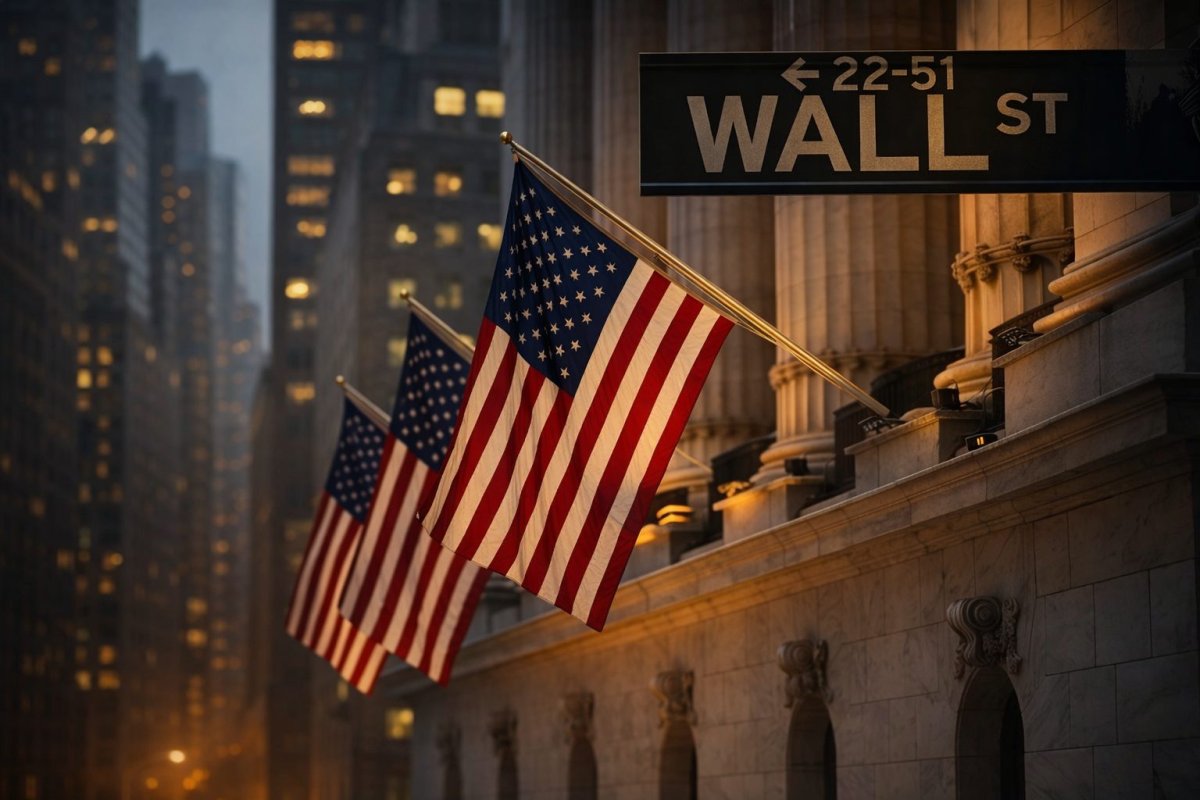
Financial Sector Gains Momentum
U.S. financial equities closed the week with significant strength, propelled by a historic milestone as the Dow Jones Industrial Average surpassed 50,000 for the first time. The rally was spearheaded by substantial gains in major banking institutions.
The Financial Select Sector SPDR Fund (XLF) advanced 1.8%, while the KBW Nasdaq Bank Index climbed 2.7%. Among individual performers, Goldman Sachs jumped 4.3%, JPMorgan Chase rose 3.9%, and Bank of America gained 2.9%. Market analysts noted a broadening beyond the technology and artificial intelligence trades that have recently dominated.
Crypto and Rate Expectations in Focus
Companies with cryptocurrency exposure participated vigorously in the upturn. Robinhood Markets soared 14% and Coinbase Global increased 13%, coinciding with Bitcoin's rebound above the $70,000 level.
Shifting expectations for Federal Reserve policy provided a tailwind. Following a report indicating January layoff announcements reached a 17-year high for the month, futures pricing showed the probability of a quarter-point rate cut at the March meeting rose to 22.7%, up from 9.4% the previous day. The Fed's current policy rate remains steady in the 3.50%-3.75% range.
Upcoming Economic Catalogs
Attention now turns to two delayed economic releases that are critical for the sector. The January U.S. employment report is scheduled for February 11, followed by the Consumer Price Index (CPI) inflation data on February 13. These metrics hold dual importance for financial stocks: they directly influence bond yields, which affect bank lending profitability, and shape consumer and business demand for financial products.
Internationally, similar dynamics played out. In London, lenders including Lloyds, NatWest, and Barclays rose between 0.9% and 2.8% after the Bank of England suggested rates could decline if inflation continues to ease.
The sector's positive momentum, however, faces a near-term test. If the upcoming jobs or inflation readings exceed investor expectations, a resulting spike in Treasury yields and paring of rate-cut bets could swiftly reverse recent gains for bank shares and broader risk appetite.