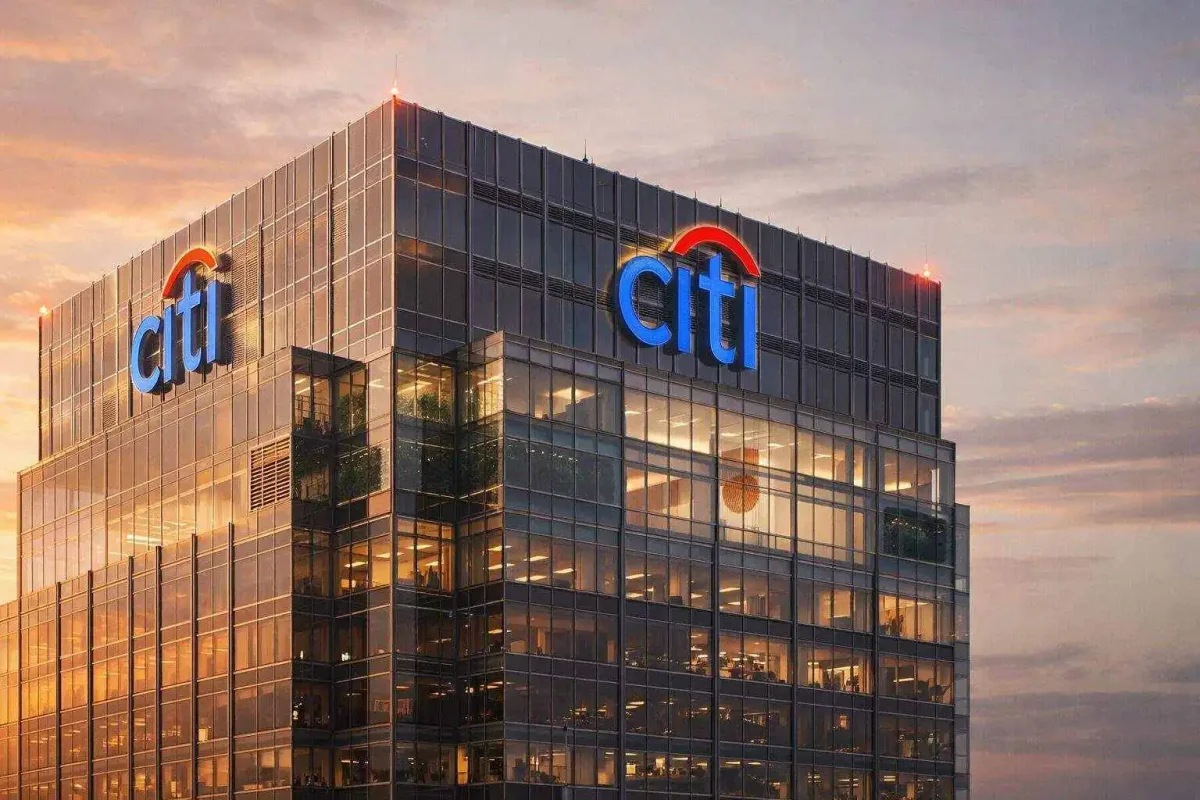
Shares of Citigroup Inc. surged nearly 6% on Friday, closing at $122.69, significantly outperforming its major banking peers. The rally was fueled by a Reuters report indicating growing confidence among the bank's executives that they could complete the work required by longstanding regulatory consent orders later this year. While final approval from regulators remains pending, the prospect of resolving these issues has provided a significant boost to investor sentiment.
Regulatory Overhang and Market Implications
The consent orders, imposed by the Federal Reserve and the Office of the Comptroller of the Currency, stem from historical deficiencies in risk and data controls, notably highlighted by a $900 million erroneous payment incident. These orders have mandated extensive and costly remediation efforts, which analysts and investors agree have constrained the bank's operational flexibility and weighed on profitability. A successful exit from these orders would allow management to shift focus more decisively toward growth initiatives, potentially altering the fundamental narrative around the stock.
This development represents a rare, company-specific catalyst for Citigroup. While the broader banking sector often moves in tandem with interest rate expectations and macroeconomic data, the resolution of its regulatory penalties is a distinct event. Analyst commentary cited in the report was supportive; Wells Fargo's Mike Mayo stated he saw no reason for regulators not to lift the orders, while Goldman Sachs' Richard Ramsden characterized the bank's reported progress as very positive.
Broader Market Context and Technical Performance
Friday's advance ended a two-day decline for Citigroup, bringing its share price to within approximately 1% of its 52-week high of $124.17, reached on January 6. The stock's outperformance was notable against other large institutions like JPMorgan Chase, Bank of America, and Wells Fargo, which posted more modest gains. The rally occurred within a supportive macro environment, as the Dow Jones Industrial Average crossed the 50,000 threshold for the first time, lifting cyclical and financial stocks. Market participants described the move as a technical rebound from an oversold condition, with buying broadening beyond the technology sector.
Upcoming Catalysts and Data Dependence
With markets closed over the weekend, investor attention now turns to two primary channels for the week ahead. First are Citi-specific events, including scheduled conference appearances. Shahmir Khaliq is set to speak at the UBS Financial Services Conference on February 10, followed by incoming Chief Financial Officer Gonzalo Luchetti at the Bank of America Securities Financial Services Conference on February 11. These appearances will be scrutinized for any new details on the consent order timeline and cleanup pace.
Second, and critical for the entire financial sector, will be key U.S. economic releases. The January employment report is scheduled for February 11, followed by the Consumer Price Index data for January on February 13. These figures will heavily influence Treasury yield movements and, by extension, rate-cut expectations. Bank stocks are particularly sensitive to yield shifts, as net interest income—the difference between what banks earn on loans and pay on deposits—is directly impacted by the interest rate environment.
A Note of Caution
Despite the optimistic internal timeline, the ultimate decision rests with regulators. Even after Citigroup completes its internal remediation work, regulatory bodies will need to conduct their own testing and validation of the fixes. Any new stumbles in data management or control processes could prolong the timeline and revive investor skepticism, underscoring that the process is not entirely within the bank's control.
In summary, Citigroup enters the new trading week riding a wave of optimism tied to a potential resolution of its major regulatory challenges. However, the path forward remains dependent on both regulatory sign-off and the broader macroeconomic data that dictates the interest rate landscape for the banking industry.