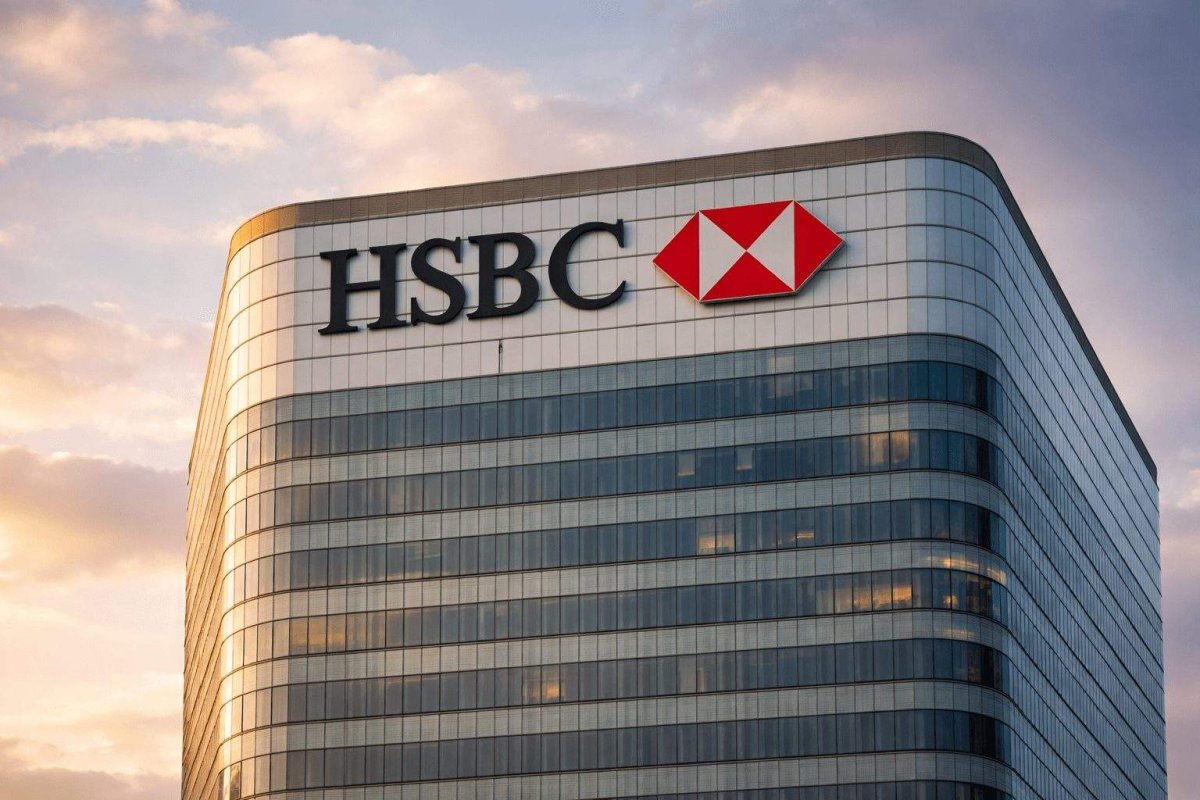
HSBC Holdings PLC shares rebounded on Friday, closing at £13.06, a gain of 2.2%, effectively erasing the prior session's 2.3% decline. The recovery came amidst a broader uptick for UK financials, with the FTSE 100 index advancing 0.6%. The move reflects investor recalibration following the latest monetary policy signals from the Bank of England and anticipation for the banking giant's forthcoming annual report.
Bank of England Policy Shift Drives Sentiment
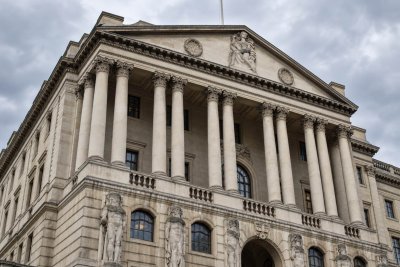
The central catalyst for the session was the Bank of England's latest policy decision and its accompanying communications. The Monetary Policy Committee's vote was split, and notably, officials removed previous language referencing a "gradual" path for potential rate reductions. This subtle but significant tweak has been interpreted by market strategists as opening the door for an earlier easing cycle. Elias Haddad, Senior Markets Strategist at Brown Brothers Harriman, highlighted the adjustment to the guidance, while Lee Hardman of MUFG suggested a cut could materialize as soon as the next policy meeting.
For the banking sector, the timing and trajectory of interest rate changes are paramount, directly influencing net interest margins—the core profitability metric representing the difference between interest earned on loans and paid on deposits. The BoE's Monetary Policy Report projected inflation could return to its 2% target as early as April, stating the Bank Rate is "likely to be reduced further," though the precise schedule remains data-dependent.
Broader Market and Internal Restructuring
The positive sentiment lifted other major UK lenders. Shares of Lloyds Banking Group, NatWest Group, and Barclays all finished higher, with gains ranging from 0.9% to 2.8%. This collective strength helped offset weakness elsewhere in the blue-chip index.
Concurrently, HSBC continues to advance its extensive internal overhaul under Chief Executive Georges Elhedery, focused on cost discipline and cultural reset. According to reports, the bank is preparing to award minimal or zero bonuses to a segment of its investment bankers and plans to exit underperformers in the weeks following the bonus season. This initiative aims to align compensation more closely with performance benchmarks akin to those on Wall Street.
This strategic pivot presents a dual-edged sword for investors. While stringent cost controls, including compensation adjustments, can bolster efficiency and profitability, they also carry the risk of internal disruption and talent attrition, potentially dampening revenue-generating activities like deal-making at an inopportune time.
Macroeconomic Data in the Spotlight
Attention now shifts to a critical week of global economic indicators that could significantly influence rate expectations and financial stocks. The data calendar includes delayed U.S. labor market figures on February 11, followed by U.S. inflation data on February 13. The UK and the euro zone are also scheduled to release Gross Domestic Product (GDP) estimates during the same period.
The inherent risk is clear: should incoming data reveal persistent inflationary pressures or a reacceleration in wage growth, markets could swiftly retract the rate-cut expectations that have supported bank equities this year. Conversely, a faster-than-anticipated easing cycle could compress lending margins prematurely, while signs of slower economic growth might expose vulnerabilities in credit portfolios.
The Upcoming Catalyst: Annual Results
The next major focal point for HSBC is its annual results for the 2025 financial year, scheduled for release on February 25 at 4:00 a.m. GMT. A presentation for investors and analysts will follow at 7:45 a.m. GMT.
Market participants will scrutinize the report for detailed insights into the drivers of earnings, the progress and financial impact of the ongoing cost reset, plans for capital returns to shareholders, and crucially, management's outlook for how a declining interest rate environment is projected to affect net interest income. This fundamental business line remains the primary engine for the bank's profitability.