Shares of KLA Corporation (KLAC) experienced a significant rally on Friday, closing the trading session with an impressive gain of 8.4%. The stock finished at $1,442.95, marking a strong performance that led advances among semiconductor equipment manufacturers. Trading volume was notable, with approximately 1.6 million shares changing hands as the stock moved between an intraday low near $1,340 and a high of $1,449.
Market Context and Sector Momentum
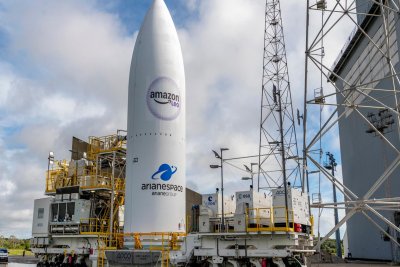
The surge in KLA shares occurred within a broader uptick for the semiconductor sector. The PHLX Semiconductor Index (SOX) climbed 5.7% during the session. This sector-wide momentum was largely attributed to a major announcement from Amazon, which revealed plans to increase its capital expenditures by more than 50% this year. This move echoes a similar long-term infrastructure investment strategy recently outlined by Alphabet, focusing on areas like data centers. The news fueled optimism about sustained demand for the advanced chips and manufacturing tools required for artificial intelligence applications.
"There is tangible, growing demand for AI-related products driving this investment cycle," noted Ross Mayfield, an investment strategy analyst at Baird. This sentiment was reflected in the performance of other industry leaders, with Nvidia (NVDA) shares soaring 7.8% on the same day.
Company Fundamentals and Shareholder Return
In a separate corporate development, KLA's board of directors authorized a quarterly cash dividend. The company declared a payout of $1.90 per share, according to a regulatory filing made on Thursday. This dividend is scheduled for distribution on March 3, 2026, to shareholders of record as of February 17, 2026. While dividend payments typically have a limited direct impact on the near-term demand for chip manufacturing equipment, they provide a fixed income component for investors and can be a point of focus for income-oriented funds, especially amidst rapidly shifting technology valuations.
KLA's core business involves producing sophisticated inspection, metrology, and process control systems for semiconductor manufacturers. These systems are critical for identifying defects and improving production yields in increasingly complex chip fabrication processes. Consequently, the company's financial performance is closely tied to capital expenditure cycles within the semiconductor industry, often making its stock a proxy for investor sentiment regarding future chip fabrication investment.
Peer Performance and Broader Market Considerations
The positive momentum extended to other key players in the chip equipment space. Applied Materials (AMAT) saw its shares advance roughly 6.1%, while Lam Research (LRCX) posted a gain of approximately 8.2% by the market's close. This collective strength underscores a bullish outlook for the sector's capital equipment spending.
However, analysts caution that the rally faces potential headwinds. The market's focus is now shifting to upcoming economic data releases, which could influence the Federal Reserve's interest rate policy. Key reports include the U.S. jobs numbers, now scheduled for Wednesday, and the Consumer Price Index (CPI) data due on Friday; both releases were slightly delayed due to a recent government shutdown.
"Sector rotation has been the dominant theme this year," commented Angelo Kourkafas, an investment strategist at Edward Jones. Matthew Miskin of Manulife John Hancock added that the market has evolved past a phase where enthusiasm for artificial intelligence indiscriminately lifted all technology-related stocks. The concern is that if inflation data comes in hotter than expected or if bond yields resume their climb, capital could swiftly rotate out of high-valuation semiconductor stocks into less risky areas of the market.
As trading resumes on Monday, investors will be closely watching to see if Friday's momentum can be sustained. The immediate corporate milestone for KLA is the February 17 record date for its quarterly dividend. Beyond that, the company's stock trajectory will likely remain sensitive to macroeconomic indicators influencing interest rates and to the ongoing capital expenditure announcements from major technology firms.