Shares of SK hynix (000660.KS) concluded Friday's trading session at 839,000 won, marking a modest decline of 0.36%. This daily dip contributed to a more substantial weekly loss of approximately 8%, as technology equities across Asian markets faced a broad sell-off. The downturn occurred despite a significant credit rating upgrade from S&P Global Ratings, which elevated the memory chip manufacturer to 'BBB+' from its previous rating and attached a positive outlook to the assessment.
Credit Upgrade Amid Market Retreat
S&P's decision, announced earlier in the week, was driven by the company's robust performance in high-bandwidth memory (HBM) sales and a stabilizing pricing environment for memory products. Analysts view this upgrade as a recognition of SK hynix's strategic positioning as a critical supplier in the artificial intelligence infrastructure boom. However, the positive financial news was overshadowed by a sharp reversal in sector sentiment, leading investors to reduce exposure to tech holdings throughout the region.
The broader South Korean market reflected this anxiety. The benchmark KOSPI index fell 1.4% on Friday, effectively ending a six-week consecutive rally. For the week, the KOSPI retreated 2.6%. Other major local tech components, including Samsung Electronics, also closed lower, with both SK hynix and Samsung shedding 0.4% on the final trading day of the week.
Conflicting Signals on Chip Demand
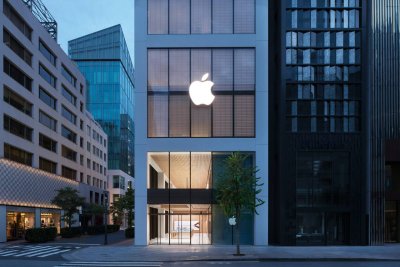
Market signals regarding semiconductor demand are presenting a mixed picture. In a recent commentary, Apple CEO Tim Cook indicated that the company is preparing for potential increases in memory chip prices. He cited soaring AI-driven demand from data centers, which is consuming available DRAM supply and could elevate costs for essential memory components used in smartphones and servers. Cook noted that Apple possesses "different levers" it can utilize to manage these cost pressures.
Concurrently, industry analysts have pointed out that major device makers like Apple retain significant bargaining power with their memory suppliers, which include SK hynix, Samsung Electronics, and Micron Technology. This dynamic creates a tension between the bullish outlook for AI-related memory and potential margin pressures on the consumer electronics side of the business.
Financially, SK hynix is coming off a strong performance in 2025. The company has announced measures to return more capital to shareholders, including an increased year-end dividend of 1,875 won per share and a plan to cancel 15.3 million treasury shares. In a statement accompanying recent results, Song Hyun Jong, President and Head of the Corporate Center, emphasized the firm's evolving role: "We will strengthen our role not merely as a product supplier, but as a core infrastructure partner in the AI era."
Market Sentiment and Forward Risks
The recent price action highlights the stock's status as a high-beta proxy for global technology sentiment. While the long-term narrative around AI and memory remains compelling, near-term risks are coming into focus. Rising memory costs could pressure consumer device manufacturers and potentially dampen unit demand. Furthermore, any deceleration in capital expenditure by major cloud service providers could directly impact the segment of the cycle that investors are currently favoring. Competitive intensity within the memory sector also continues to escalate.
Attention now turns to the market open in Seoul on Monday, February 9, 2026. Traders will be closely monitoring whether the tech-driven weakness that emerged late last week persists or begins to abate. Market participants are also scrutinizing incoming commentary from leading memory buyers for fresh signals on pricing negotiations and supply chain dynamics, especially following recent warnings about mounting cost pressures across the industry.