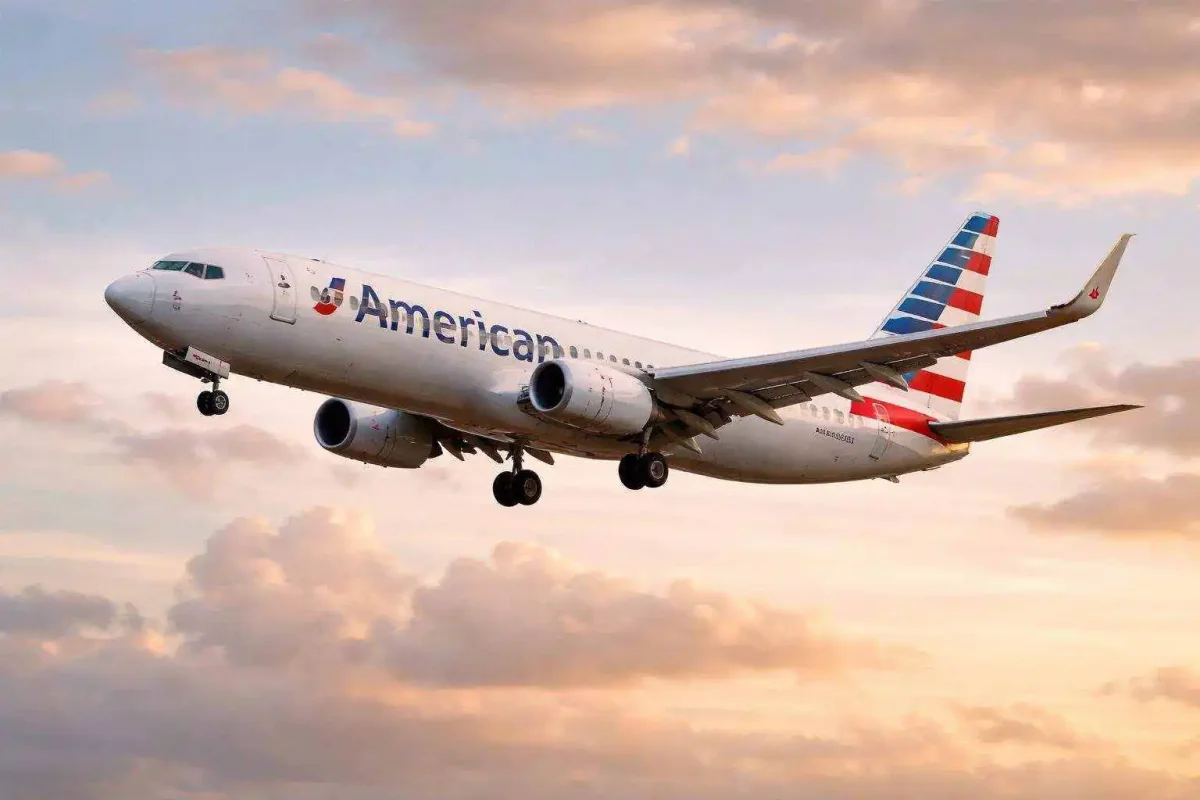
Shares of American Airlines Group Inc. (AAL) declined 0.8% to $15.12 during Monday's trading session following a significant labor development. The carrier's primary flight attendant union, the Association of Professional Flight Attendants (APFA), announced its board had unanimously passed a vote of no confidence in Chief Executive Officer Robert Isom. The union, representing over 28,000 cabin crew members, cited a failure of leadership at the highest level as the core reason for its action.
Labor Relations Under Scrutiny
This formal rebuke from frontline employees places investor focus squarely on the airline's labor relations at a critical juncture. American has been working to improve operational reliability and narrow the profitability gap with its larger domestic competitors. The airline industry operates on thin margins with a perishable product; operational disruptions, including cancellations and delays, can rapidly erode cash reserves. A protracted labor dispute risks exacerbating these challenges by potentially increasing wage and operational costs or leading to a less reliable schedule, particularly during peak travel periods when consumer demand is sensitive to price and service quality.
Pilots represented by the Allied Pilots Association have also been vocal about their concerns. In response to a union request to address the airline's board, CEO Isom stated he would meet with pilot representatives promptly. He emphasized in correspondence that the board and executive team share the goal of strengthening American Airlines across all metrics.
Financial and Operational Headwinds
The labor friction emerges as American navigates a complex financial landscape. The company has communicated a patient turnaround narrative to investors after a period of trailing profitability relative to peers. Its outlook for 2026 hinges on anticipated strength in demand for premium seating and a rebound in corporate travel. However, the airline has concurrently cautioned that severe winter weather earlier in the year is expected to negatively impact first-quarter results, adding further pressure on operational performance at key hub airports.
This company-specific news landed in a broader market environment characterized by sector rotation. Following volatility in technology-heavy indices, capital has flowed toward more value-oriented segments of the market. Analysts note this shift may involve a less discriminating pursuit of cheaper companies, reflecting a search for stability amid market swings.
Industry-Wide Pressure and Key Variables
The early trading weakness was not isolated to American Airlines. Other major U.S. carriers also saw their shares decline: Delta Air Lines (DAL) fell 0.4%, United Airlines (UAL) dropped 0.6%, Southwest Airlines (LUV) decreased 1.8%, and JetBlue Airways (JBLU) slipped approximately 2.0%. This suggests a sector-wide cautious sentiment among investors.
Beyond labor and operational costs, fuel expenses remain a critical variable for airline profitability. Oil prices showed little movement on Monday, leaving jet fuel costs as a live concern as the industry prepares for the important spring travel season. Traders and analysts closely monitor this input cost, which directly affects bottom-line results.
Investors are now assessing the implications of the union vote alongside a heavy week of U.S. economic data releases. Key reports include the Employment Situation summary for January, scheduled for release on February 11 at 8:30 a.m. Eastern Time, and the Consumer Price Index (CPI) report for January, due on February 13 at 8:30 a.m. Eastern Time. These macroeconomic indicators will provide context for consumer health and discretionary travel spending, factors crucial to airline revenue forecasts.
The immediate risk for American Airlines is that internal labor tensions could spill over into day-to-day operational reliability and cost management. At a time when the broader economic climate continues to influence discretionary spending on air travel, a smooth relationship with its workforce is paramount for executing its stated turnaround strategy and meeting financial targets for the coming year.