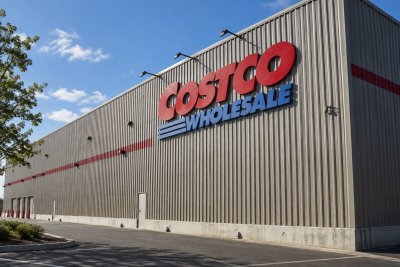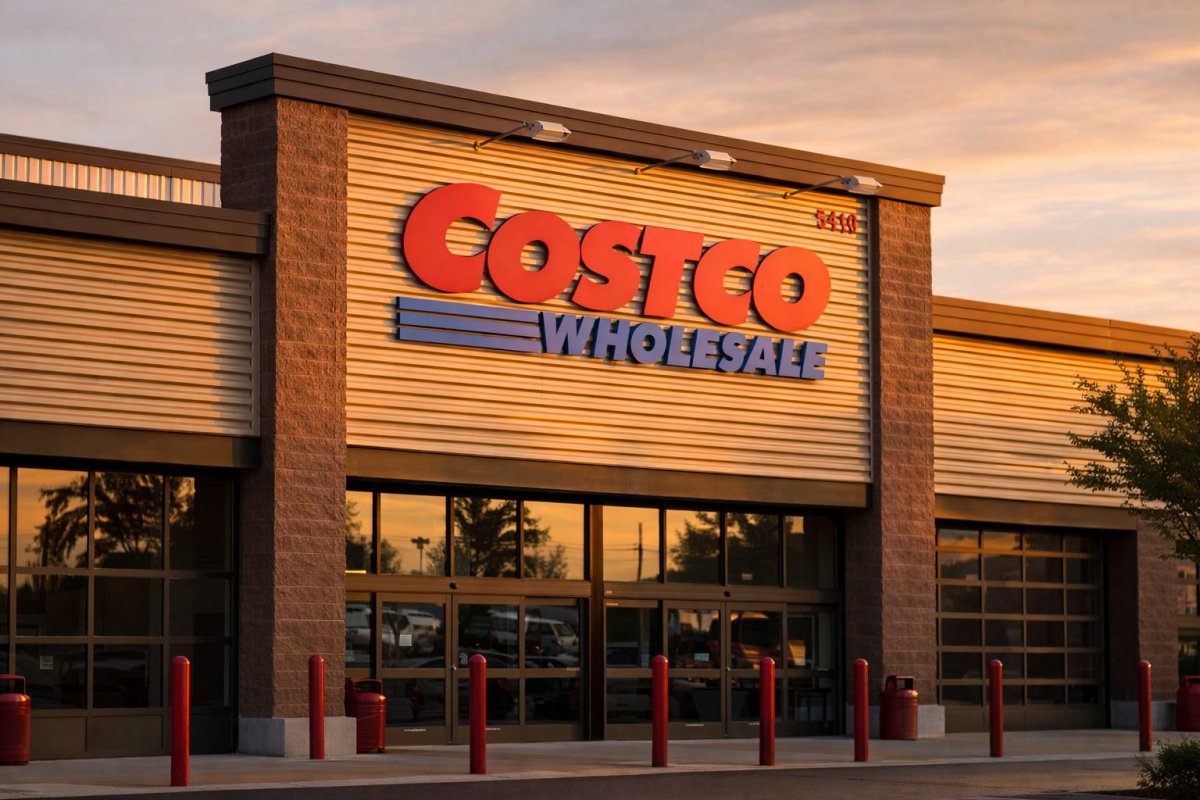
Costco Wholesale Corporation shares experienced a modest decline in extended trading on Monday, February 9, 2026, dipping approximately 0.1% to $996.51. This movement followed a similarly subdued performance during the regular session, where the stock closed at $997.59. The after-hours activity, while slightly negative, remained within the stock's recent trading range, reflecting a market in a holding pattern ahead of significant corporate and economic catalysts.
Analyst Action Amid Market Crosscurrents
In a notable development, Bernstein analyst Zhihan Ma increased the firm's price target on Costco to $1,155 from $1,146, while reaffirming an Outperform rating. The analyst's commentary highlighted a complex macroeconomic backdrop for U.S. retail as the economy moves into fiscal 2026, citing fragile consumer confidence and a tangled web of inflationary pressures and policy uncertainties. This upgrade underscores the analytical focus on retailers with resilient business models capable of navigating economic volatility.
Costco's investment thesis is intrinsically linked to the narrative of stable consumer expenditure and the premium investors assign to predictable, membership-driven growth. As a high-multiple retailer, its valuation is particularly sensitive to shifts in interest rate expectations and inflation forecasts, often reacting to broader macroeconomic data irrespective of company-specific news. This dynamic places stocks like Costco at the intersection of corporate performance and Federal Reserve policy speculation.
The Upcoming Catalyst: Quarterly Earnings and Sales Data
All eyes are now firmly set on March 5, when Costco is scheduled to release its fiscal second-quarter financial results alongside its monthly sales report for February. Wall Street analysts will meticulously scrutinize key metrics, most notably comparable-store sales growth, which measures revenue from locations open for at least a year. Equally critical will be any commentary regarding membership renewal rates, the core profitability driver for the warehouse club model.
Investors will also be listening closely to management's perspective on cost pressures, including wages and freight expenses. Furthermore, there is market curiosity about whether the company will signal any additional returns to shareholders beyond its established dividend, a factor that could influence investor sentiment.
Broader Market Context: A Pivotal Week for Data
The stock's muted reaction to a positive analyst note exemplifies the current cautious market temperament. Traders are confronting a data-heavy week featuring earnings reports from numerous major corporations and crucial U.S. economic indicators on inflation and the labor market. These releases possess the potential to swiftly alter market forecasts for the Federal Reserve's monetary policy path. Such shifts in interest rate expectations have a pronounced ripple effect on so-called defensive consumer staples stocks, including Costco.
Bernstein's analysis pointed to significant cross-currents—from food inflation to geopolitical risks—that complicate the retail outlook. For Costco, these macro forces manifest in store traffic patterns, demand for discretionary big-ticket items, and the strategic pricing decisions required to maintain member loyalty and foot traffic in a competitive environment.
Valuation Considerations and Investor Risk
A primary concern for bullish investors is Costco's premium valuation, which leaves minimal room for operational missteps. Should consumer spending show signs of meaningful deceleration, or if operating expenses rise more sharply than anticipated, even a historically steady performer could disappoint market expectations. The upcoming report will serve as a critical stress test for the company's ability to execute in a challenging environment.
The after-hours trading activity, though typically volatile and of limited volume, demonstrated how even a supportive analyst call can be overshadowed by a market awaiting concrete financial data. The session concluded without a decisive directional shift, highlighting the prevailing wait-and-see attitude.
As the March 5 reporting date approaches, the market's focus will intensify on Costco's ability to deliver consistent growth and manage costs, providing a clearer signal of its trajectory amid broader economic uncertainty.