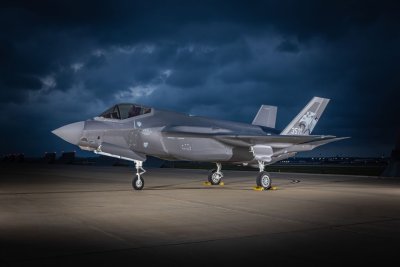
Shares of GE Aerospace experienced a modest decline during Monday's trading session, slipping approximately 0.8% to $318.54 in afternoon activity. The movement followed the company's announcement of a strategic industrial participation agreement with Saudi Arabia's General Authority for Military Industries (GAMI). This pact is designed to significantly expand repair and maintenance capabilities for F110 fighter engines within the Kingdom, with a longer-term memorandum of understanding to explore localized manufacturing opportunities for engine components.
Strategic Focus on Aftermarket Services
The significance of this development lies in the core economics of the aerospace propulsion sector. GE's engine business derives a substantial portion of its revenue and profit from long-term service agreements, which provide more predictable and recurring income streams compared to one-time equipment sales. By establishing repair capacity closer to key defense customers like Saudi Arabia, the company aims to reduce turnaround times for engine maintenance, thereby improving fleet readiness for the customer and strengthening its own service revenue retention.
This strategic push arrives at a critical juncture for the global defense industry. Military clients worldwide are increasingly emphasizing operational readiness and are leaning on their suppliers to ensure reliable and timely support. Furthermore, the competitive landscape for engine service contracts is intensifying, with major rivals including RTX's Pratt & Whitney and Rolls-Royce all vying for market share. Airlines and military operators have consistently voiced concerns over maintenance delays and associated costs, making efficiency a key differentiator.
Parallel Investment in Singapore
Concurrently, GE Aerospace unveiled separate initiatives at the Singapore Airshow, highlighting its global growth strategy. The company detailed a multi-year, $300 million investment plan to enhance engine component repair capacity in Singapore through 2029. This expansion is intended to bolster support for airlines across the Asia-Pacific region, with GE executives stating the added capacity should help reduce customer turnaround times.
In a forward-looking research effort, GE also announced a collaborative project to study the integration of an advanced "open fan" engine architecture into future airport operations. This work involves CFM International—the 50/50 joint venture between GE Aerospace and France's Safran—alongside Airbus and the Civil Aviation Authority of Singapore. The study is positioned as a key enabler for CFM's RISE technology demonstration program, which targets significant gains in fuel efficiency and sustainability.
Broader Market Context and Peer Performance
The broader U.S. equity market provided a steadier backdrop on Monday, with major indices trending higher in late-morning trade. Investor attention was divided between corporate news and anticipation of key macroeconomic data releases later in the week. Market participants were particularly focused on the delayed January nonfarm payrolls report, scheduled for Wednesday, and the January Consumer Price Index data due on Friday. These figures are expected to play a pivotal role in shaping expectations for the Federal Reserve's future interest rate path, a crucial factor for rate-sensitive industrial stocks.
Within the aerospace and industrial peer group, performance was mixed. Shares of Honeywell International showed modest strength, rising about 0.8%, while RTX, the parent company of Pratt & Whitney, edged down approximately 0.4%.
Execution Risks and Forward Outlook
For investors, the primary risks associated with GE's announcements revolve around execution and timing. Industrial participation agreements, especially those involving defense technology and international partnerships, can be complex and slow-moving. The planned expansions in repair capacity and potential manufacturing hinge on a multitude of factors, including obtaining necessary certifications, managing supply chains, and securing regulatory approvals—notably export licenses from the U.S. government for defense-related work.
In the near term, the market will be monitoring for follow-on details regarding the specific contractual terms of the Saudi agreement and any new service or order announcements stemming from the events in Riyadh and Singapore. The week's upcoming U.S. economic data on employment and inflation will also remain in sharp focus, as it will influence the macroeconomic environment for all capital-intensive industrial enterprises.