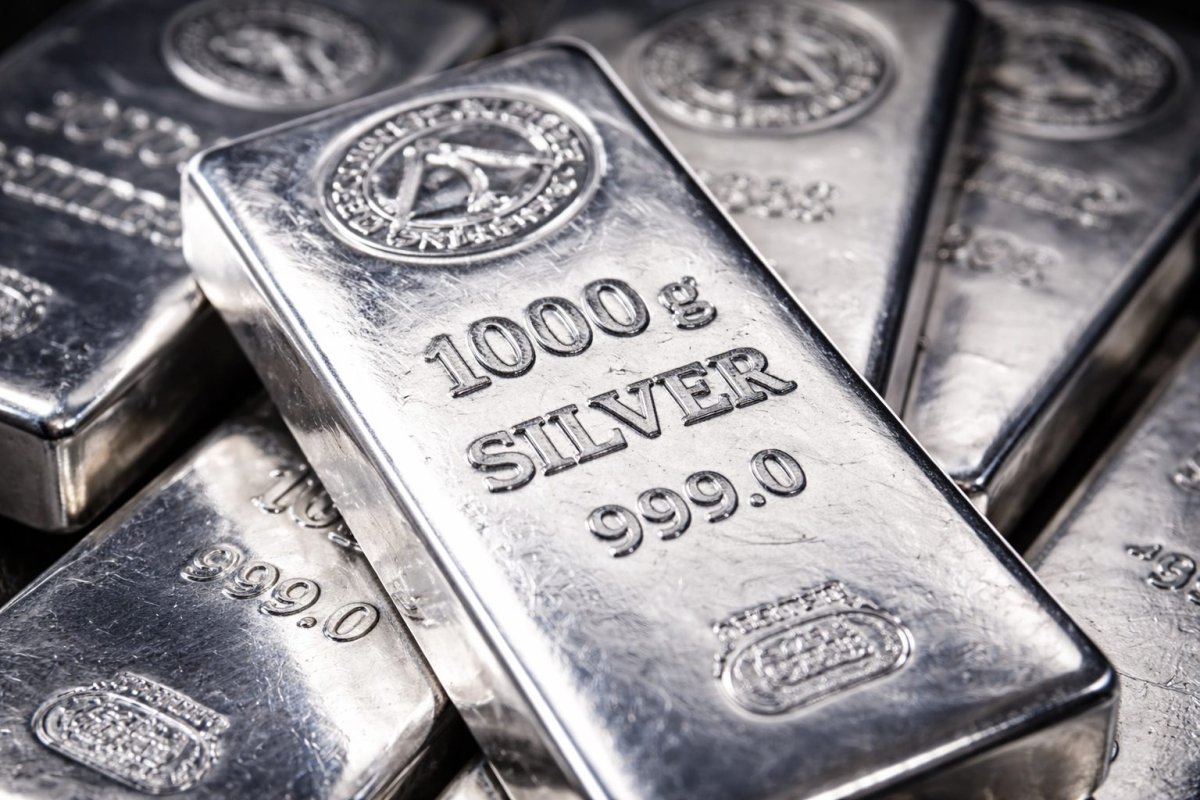
Silver futures on the COMEX division of the CME Group rallied sharply on Monday, February 9, 2026, closing with a gain of 8.4% at $83.325 per ounce. The move extended a powerful rebound that began late last week, with spot silver prices advancing 6.3% during the session after a nearly 10% surge on Friday. The primary catalyst was a broad decline in the U.S. dollar, as measured by the DXY index, which fell 0.8% to 96.83. Concurrently, U.S. Treasury yields edged lower, reflecting a cautious market posture ahead of key economic data releases.
Market Drivers and Trader Focus
The pronounced weakness in the greenback provided a significant tailwind for dollar-denominated precious metals. Bart Melek, Global Head of Commodity Strategy at TD Securities, identified the currency move as the day's dominant factor, noting that silver's inherently tight physical supply can amplify price swings even on moderate trading activity. This dynamic underscores the metal's dual nature: it trades as a monetary asset sensitive to interest rate expectations and currency fluctuations, while also being an industrial commodity subject to demand cycles from sectors like electronics and photovoltaics.
Market participants are now squarely focused on a delayed batch of U.S. macroeconomic indicators. The January Employment Situation report, originally scheduled for earlier release, is now set for Wednesday, February 11, at 8:30 a.m. ET. This will be followed by the January Consumer Price Index (CPI) data on Friday, February 13, at the same time. The Bureau of Labor Statistics has cautioned that these publication dates remain tentative following recent government processing delays.
Implications for Federal Reserve Policy and Silver
The upcoming data holds critical implications for the Federal Reserve's monetary policy path. According to the CME Group's FedWatch tool, traders have largely priced in the first interest rate cut of the cycle for June. A hotter-than-expected print on either jobs or inflation could challenge this timeline, potentially reviving dollar strength and upward pressure on yields. Such a scenario would pose a clear downside risk for non-yielding assets like silver and could trigger rapid unwinding of leveraged long positions in the futures market.
Conversely, signs of cooling in the labor market or inflation would likely reinforce expectations for monetary easing, potentially extending the dollar's retreat and providing further support for precious metals. For silver specifically, the immediate trajectory appears heavily contingent on the dollar's next move. A continued decline in the currency could see the current rebound extend, while a rebound would likely reintroduce the volatility that has characterized silver's trading in recent weeks.
The rally in the physical metal filtered through to related financial instruments. The iShares Silver Trust (SLV), a major exchange-traded fund tracking silver bullion, closed Monday's regular session up 8.28% at $76.00 before dipping slightly in after-hours trading. Silver mining equities also participated vigorously in the upside move. First Majestic Silver Corp. (AG) jumped close to 8%, Pan American Silver Corp. (PAAS) gained 6.8%, and Hecla Mining Company (HL) rose approximately 5.1%.
In summary, silver's explosive session highlights its sensitivity to macro-financial currents. While industrial demand provides a structural floor, its price action in the near term is being dictated by the interplay between the U.S. dollar, Treasury yields, and shifting perceptions of Federal Reserve policy. The delayed jobs and inflation reports this week are set to be the next major catalysts, determining whether this rally marks a sustainable shift or merely a volatile pause within a broader trading range. Traders will be monitoring the SLV ETF and key miners like AG, PAAS, and HL for directional cues, while broader commodity sentiment may be reflected in movements of the USO (oil) and GLD (gold) ETFs.