Amazon shares experienced a significant decline of 5.6% on Friday, closing the trading session at $210.32. The drop came as the market digested the company's ambitious capital expenditure guidance for 2026, which targets approximately $200 billion dedicated to artificial intelligence and cloud computing infrastructure. This substantial planned outlay has prompted investors to reassess the near-term financial implications for the e-commerce and cloud giant.
Market Questions Heavy Spending Amid AI Arms Race
Investor sentiment appears to be shifting regarding the massive AI investments being undertaken by major technology firms. Where such expenditures were once broadly cheered as essential for future growth, there is now growing scrutiny over the immediate impact on profitability and returns. "The market is no longer tolerating spending for spending’s sake," noted Mark Hawtin, head of global equities at Liontrust, highlighting a newfound focus on tangible financial outcomes from these investments.
Amazon CEO Andy Jassy attributed the aggressive spending plan to "strong demand," specifically identifying AI as a primary driver. This capital expenditure, or capex, is earmarked for long-term physical assets critical to cloud and AI services, including data centers, servers, and networking equipment. The scale of the commitment underscores the strategic priority Amazon places on maintaining and expanding its leadership in these competitive sectors.
Broader Tech Sector Faces Similar Scrutiny
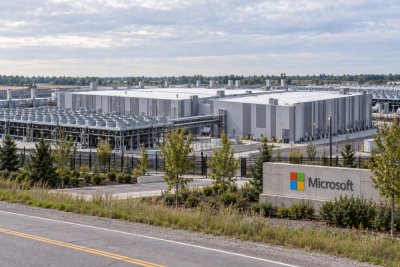
Amazon is not alone in this high-stakes investment cycle. Collectively, Amazon, Alphabet (Google), Microsoft, and Meta are projected to deploy over $630 billion this year on AI-related initiatives. However, analysts, including those from Morgan Stanley, report that investor patience for large-scale spending without clear, near-term profit generation is wearing thin. A key metric under the microscope is return on invested capital (ROIC), which measures how efficiently a company generates profits from its capital investments.
The sell-off in Amazon occurred against a contrasting backdrop for the broader market. The Dow Jones Industrial Average achieved a historic milestone, closing above the 50,000 level for the first time ever. Semiconductor stocks, seen as critical suppliers for the AI data center build-out, rallied strongly on Friday. This divergence suggests a market that is selectively rewarding different segments of the technology ecosystem.
Financial Risks and Execution Challenges
A primary concern for analysts is the pressure such elevated capital spending places on free cash flow. With cash being directed heavily toward infrastructure, Amazon's financial flexibility could be constrained. This raises the stakes for flawless execution; any missteps in cloud pricing strategy, delays in bringing generative AI products to market, or broader economic headwinds could amplify financial pressure on the company.
As trading resumes on Monday, all eyes will be on Amazon's stock price for signs of stabilization. A key focus will be how Wall Street analysts interpret the spending announcement—whether it is framed as a necessary and strategic cost of competing in the high-growth cloud arena, or criticized as a drag on operating margins in the coming quarters.
Upcoming Economic Data Could Set the Tone
Beyond company-specific news, broader macroeconomic indicators are poised to influence market direction in the coming week. The U.S. Bureau of Labor Statistics is scheduled to release the January jobs report on Tuesday, February 11, followed by the Consumer Price Index (CPI) data for January on Thursday, February 13. Both releases are considered tentative due to potential government service disruptions. These reports on employment and inflation will be critical for shaping expectations about the Federal Reserve's future interest rate policy, a major driver for equity valuations across all sectors.
The interplay between corporate investment cycles and macroeconomic policy creates a complex environment for investors. While the long-term potential of AI remains largely undisputed, the market is now demanding a clearer path from massive capital investment to improved financial returns, marking a new chapter in the evaluation of tech sector growth stories.