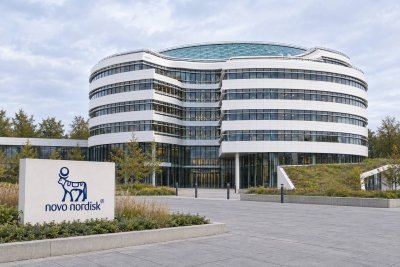
Novo Nordisk Class B shares (NOVOb.CO) experienced a notable rebound on Friday, closing at 295.50 Danish crowns, a gain of 5.29%. This recovery followed a severe two-day decline that had pushed the stock down approximately 20% over five trading sessions. The catalyst for the rebound was the announcement by Hims & Hers Health (HIMS.N) that it would discontinue sales of a $49 compounded version of Novo's Wegovy weight-loss pill, coupled with a pledge from the U.S. Food and Drug Administration to take action against mass-marketed copycat drugs.
Regulatory Pressure and Market Reaction
The FDA's intervention was a key market driver. The agency signaled its intent to clamp down on the use of GLP-1 ingredients in unapproved compounded medications and has referred the Hims & Hers case to the Department of Justice for potential federal law violations. FDA Commissioner Marty Makary stated on social media platform X that the agency plans "swift action" against firms promoting illegal copycat products. Novo Nordisk spokesperson Liz Skrbkova welcomed the move as a positive step, while competitor Eli Lilly (LLY.N) also expressed support for the FDA's decision.
However, analyst sentiment remains cautious. Christian Moore of Bernstein expressed skepticism about immediate regulatory follow-through, citing historical precedents. The market's sharp reaction—a 7.88% drop on Thursday and a 17.17% plunge on Wednesday—underscores investor sensitivity to any perceived threats to Novo's pricing power and patent protections for its blockbuster weight-loss drugs.
Patent Uncertainties and Competitive Landscape
The incident has ignited debate over the strength of Novo's intellectual property. Morningstar analyst Karen Andersen highlighted the company's proprietary SNAC absorption technology as critical to the efficacy of its branded pill, suggesting that compounded versions lacking this component "will not be effective." Conversely, including the patented technology would likely infringe on legal boundaries. Markus Manns of Union Investment described the launch of the compounded alternative as introducing "another level of uncertainty," questioning the long-term patent value for consumer-targeted pharmaceuticals.
Beyond regulatory skirmishes, the competitive environment is intensifying. Novo Nordisk, Eli Lilly, and Hims & Hers are all investing heavily in consumer advertising, including high-profile Super Bowl spots, to capture cash-paying customers in the lucrative U.S. market. This marketing blitz highlights the strategic shift from merely proving drug efficacy to justifying premium pricing in a increasingly crowded field.
The Core Issue: Pricing Power
Pricing remains the central concern for Novo Nordisk investors. The emergence of compounded alternatives and discount programs directly challenges the company's ability to maintain its premium price structure. The Trump administration's TrumpRx.gov website, for instance, reportedly lists discounted prices for GLP-1 drugs, with some offers as low as $149 per month and an average around $350—a significant reduction from the original $1,000+ monthly cost. Juliette Cubanski of KFF noted that even at $200 per month, the medication "is still a lot of money for a lot of people," indicating persistent affordability barriers.
The withdrawal by Hims & Hers offers only temporary relief. The broader question persists: if regulators are slow to enforce rules or if competitors devise new methods to offer lower-cost alternatives, Novo could face a protracted price war in the self-pay market it is aggressively cultivating.
Looking Ahead: Key Factors for Investors
Attention now turns to the trading week beginning Monday, February 9. Market participants will monitor several critical developments: any concrete enforcement actions from the FDA regarding compounding ingredients, signs of progress from the Department of Justice, and the impact of the weekend's Super Bowl advertising surge on consumer demand. The key risk is whether these ads simply stoke market growth or, conversely, attract more competitors into the cash-pay arena, further eroding Novo's pricing advantage.
The episode underscores a pivotal transition for Novo Nordisk and the broader GLP-1 drug market. The conversation is decisively moving from clinical success to commercial durability, where patent defense, regulatory navigation, and pricing strategy will be as important as therapeutic innovation in determining shareholder value.