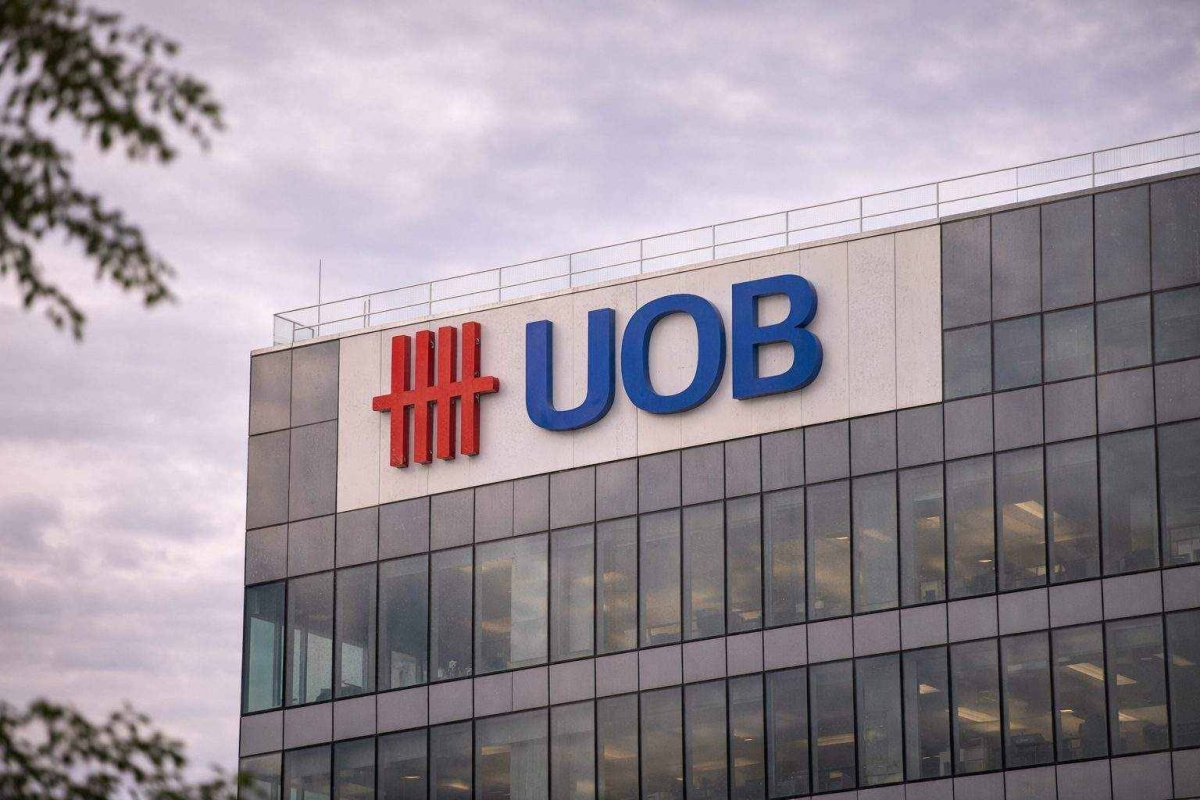
United Overseas Bank shares concluded Friday's trading session at S$38.50, marking a decline of 0.39% or S$0.15 from the previous close. The stock fluctuated between S$38.05 and S$38.60 throughout the day, with a trading volume of approximately 2.07 million shares. This movement occurred as Singapore's benchmark Straits Times Index retreated 0.8% to settle at 4,934.41, ending a three-day streak of record highs.
Market Context and Broader Weakness
The pullback in Singapore equities mirrored broader regional softness, driven by a significant selloff in the technology sector. Analysts noted that weakness in U.S. tech stocks often cascades into Asian markets, dampening investor sentiment. This dynamic was compounded by sector-specific developments, including new legal tool announcements from artificial intelligence firms, which introduced additional uncertainty for tech investors.
Focus on Banking Metrics and Upcoming Catalysts
Investor attention remains sharply focused on key banking performance indicators. Net interest margins—the difference between interest earned from loans and interest paid on deposits—are a primary concern, alongside the level of credit provisions set aside for potential loan losses. Market participants are also evaluating the potential for capital returns via dividends and share buybacks. For UOB specifically, analysts are monitoring deposit pricing strategies, the trajectory of loan growth, and management commentary regarding asset quality across its regional operations.
The immediate horizon holds two significant events. Singapore's Budget 2026 is scheduled for presentation on February 12 by Prime Minister and Finance Minister Lawrence Wong. Economists anticipate a more fiscally conservative approach this year, with several major banks forecasting a budget surplus ranging between 0.3% and 1% of GDP. The budget is expected to address long-term structural challenges, including land and labor constraints exacerbated by an ageing workforce.
Subsequently, United Overseas Bank is slated to release its full-year 2025 financial results on February 24, before the market opens. This earnings report represents the next major scheduled catalyst for the stock.
Analyst Perspectives and Risk Factors
According to market analysts, Singaporean banks may soon experience relief from margin pressures as interest rates stabilize and funding costs begin to moderate. The sector is generally viewed as having solid asset quality and a consistent history of capital returns to shareholders. However, a notable concern is the apparent lack of clear, near-term growth catalysts to drive significant share price appreciation beyond current levels.
Potential risks loom on the horizon. A reversal in the current outlook for interest rates could squeeze net interest margins precisely at a time when loan demand may be waning. Furthermore, should credit concerns emerge in any of the bank's key regional markets, UOB might be compelled to increase its provisions for bad loans, which would directly pressure profitability.
The performance of Singapore's major banks carries disproportionate weight for the broader market index. Given their substantial index weighting, even modest movements in shares of banks like UOB, DBS—which fell 0.6% to S$59.30—and OCBC—which declined 1% to S$21.23—can exert a noticeable pull on the Straits Times Index. This interconnectedness underscores the importance of the upcoming earnings season and budget announcement for overall market direction.