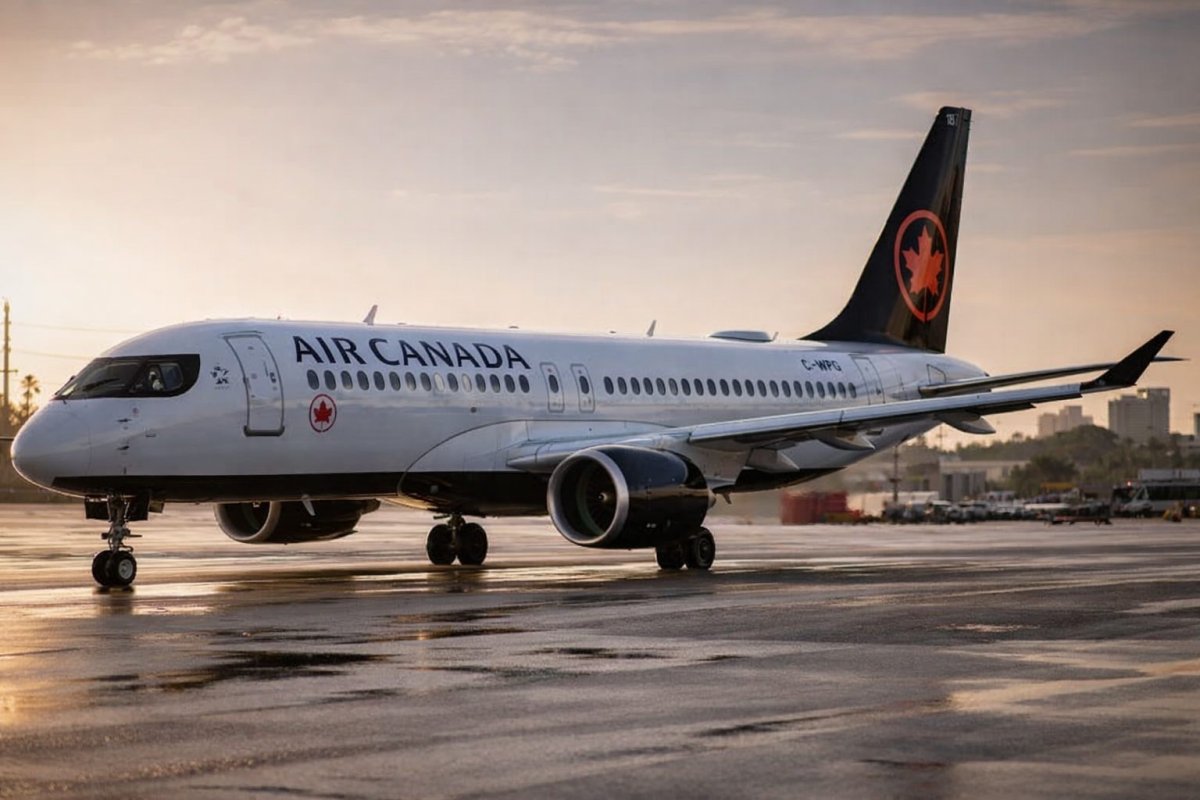
Air Canada has finalized a significant fleet expansion agreement with Airbus, placing a firm order for eight A350-1000 widebody aircraft and securing purchase rights for an additional eight units. The initial deliveries for these long-range jets are scheduled to commence in the latter half of 2030, marking a strategic long-term investment for the carrier.
Strategic Fleet Modernization
This acquisition is a core component of Air Canada's ongoing fleet modernization strategy, extending its renewal program well into the next decade. The airline is proactively addressing future aircraft availability constraints by securing production slots now. The move aligns with a broader industry trend where carriers are planning further ahead, seeking next-generation aircraft that offer superior fuel efficiency, increased passenger and cargo capacity, and extended range for long-haul operations.
Financial and Operational Details
Based on standard aircraft valuations, the total agreement could be valued at approximately $3 billion if Air Canada exercises all its purchase options. The airline highlighted the A350-1000's expected operational benefits, projecting a reduction in fuel consumption of up to 25% compared to the older aircraft it is slated to replace. The new jets are equipped with Rolls-Royce XWB97 engines and boast a potential range of around 9,000 nautical miles, enabling new non-stop route possibilities.
Concurrently, Air Canada is preparing to introduce a new cabin standard later this year, which will feature updated in-flight entertainment systems and enhanced onboard connectivity. This interior upgrade program, announced separately in November, complements the new aircraft order by promising a more consistent and advanced passenger experience across its long-haul network.
Market Context and Competitive Landscape
For Airbus, this order represents a key victory in the competitive widebody market. The planemaker noted that this commitment had previously been recorded on its books as an "undisclosed" order back in November 2025. Airbus has positioned the A350 family, which has garnered over 1,500 orders from 67 customers, as a leader in sustainability. The company stated the aircraft is already certified to operate with up to 50% Sustainable Aviation Fuel (SAF) and is targeting 100% SAF capability by 2030.
The deal intensifies the rivalry with Boeing, which recently reported leading Airbus in both January deliveries and net new orders, underscoring the fierce competition for airline clients. Air Canada's overall order book remains diversified, with commitments also in place for 14 Boeing 787-10 Dreamliners, along with orders for Airbus A321XLR and A220 aircraft, ensuring a steady pipeline of new narrowbody and widebody jets for years to come.
Implementation Challenges and Strategic Vision
While the order sets a clear direction, the extended timeline introduces execution risks. Any potential delays in the delivery of airframes, engines, or cabin interiors could force Air Canada to retain older aircraft longer than planned, incurring higher maintenance costs and reducing operational flexibility in route planning.
Air Canada has not yet specified the initial routes for the A350-1000s but has framed the aircraft as a pivotal tool for expanding its long-haul reach and unifying its premium cabin product. Airbus, in turn, has described the jet as central to the airline's next phase of international growth. The aircraft, which can be configured for 375 to 480 passengers, is marketed on its efficiency and reduced carbon emissions compared to previous-generation widebodies.