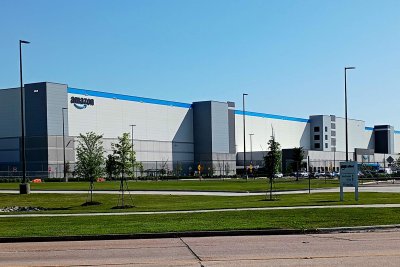
Shares of Amazon.com, Inc. (AMZN) declined 0.7% during Wednesday's morning trading, settling at $205.43. The stock retreated from an early intraday peak above $209, hovering near its lowest levels for the session. This pullback follows a period of significant accumulation by individual investors last week, which had provided temporary support.
Retail Buying Fails to Offset Capex Concerns
Data from Vanda Research indicated that Amazon experienced its largest single-day net purchase volume from retail traders last Friday since August 2024. However, this influx of capital has not alleviated broader investor apprehension regarding the company's substantial capital expenditure roadmap. The e-commerce and cloud computing giant recently outlined plans for approximately $200 billion in capital investments for the 2026 fiscal year, with funds directed toward expanding data center infrastructure and semiconductor capacity to support its artificial intelligence initiatives.
Market analysts note that the scale of this planned investment is weighing on sentiment. "Investors are expressing discomfort with the significant capital being allocated for growth, given the current uncertainty around the timeline for AI-related revenue generation," observed Dave Wagner, a portfolio manager at Aptus Capital Advisors. The market's reaction suggests concerns that heavy spending could pressure profit margins before the anticipated growth from these new technologies materializes.
Strategic Moves in AI and Healthcare
Separately, reports emerged this week regarding a potential new initiative from Amazon Web Services (AWS). According to information presented to publishers, AWS is considering the development of a marketplace that would allow content creators to license material directly to developers of AI products. This marketplace would function alongside AWS's core AI services, Bedrock and Quick Suite. An Amazon spokesperson declined to provide specifics, stating there was "nothing specific to share" at this time.
In another strategic expansion, Amazon announced a major push in healthcare logistics. The company's pharmacy division plans to extend same-day prescription delivery services to approximately 4,500 U.S. cities and towns within the year, representing an increase of nearly 2,000 locations. This builds upon Amazon's existing healthcare footprint, which includes the acquisition of PillPack in 2018, a recent partnership with WeightWatchers for delivery of GLP-1 medications, and the rollout of prescription kiosks at One Medical clinics late last year.
Broader Market Context and Macroeconomic Headwinds
The decline in Amazon shares occurred against a mixed backdrop for major indices. The SPDR S&P 500 ETF (SPY) advanced 0.5%, while the Invesco QQQ Trust (QQQ), which tracks the Nasdaq-100, gained approximately 0.7%. Other mega-cap technology stocks showed weakness, with Microsoft (MSFT) slipping nearly 1% and Alphabet (GOOGL) posting a modest decline.
Broader concerns continue to influence the technology sector. Interest rate expectations remain a focal point for traders, with the upcoming release of January's U.S. Consumer Price Index data on Friday morning poised to potentially shift the outlook for Federal Reserve policy. Furthermore, the market will scrutinize the minutes from the Federal Reserve's late-January meeting, scheduled for release on February 18, for additional clues on the path of monetary policy.
Long-Term Questions Remain Unanswered
While Amazon's initiatives in AI content licensing and pharmacy delivery represent forward-looking growth avenues, analysts caution that these ventures may require considerable time to evolve into meaningful, reliable revenue streams. The core investment dilemma persists: if the company's aggressive capital deployment timeline proves premature relative to actual demand growth, financial performance could be adversely impacted. Investors are now keenly watching for concrete developments beyond conceptual presentations, particularly regarding the governance and pricing mechanics of any potential AI content marketplace.
The current environment underscores the challenging balancing act for technology leaders like Amazon. They must invest heavily to secure future competitive advantages in fields like artificial intelligence while simultaneously navigating a macroeconomic landscape sensitive to interest rates and justifying these expenditures to a shareholder base focused on near-term profitability and returns.