Shares in BAE Systems, the British multinational defense, security, and aerospace company, moved lower during Tuesday's early trading session in London. The stock retreated approximately 1.1 percent to 2,007 pence, giving back a portion of the prior day's strong gains. This movement comes as the company prepares to release its full-year financial results on Wednesday, February 18, 2026.
Share Buyback Activity Detailed
The company disclosed in a regulatory filing that it repurchased 105,814 of its own ordinary shares on Monday, February 16, for the purpose of cancellation. The transactions were executed on-market, with prices ranging between 1,980 pence and 2,032 pence per share. The volume-weighted average price paid was 2,022.5 pence. This activity is part of a broader, ongoing share repurchase program initially announced in 2023, with a second phase launched in mid-2025.
This latest buyback follows a separate transaction from the previous week. A filing showed the company bought 108,958 shares on Thursday, February 13, at a volume-weighted average price of 1,964.15 pence. Investors often monitor such buybacks as a signal of management's confidence in the company's intrinsic value and as a component of shareholder returns, alongside dividends.
Market Context and Political Backdrop
The defense sector remains in focus amid heightened geopolitical tensions and political commitments to increased military spending. On Monday, British Prime Minister Keir Starmer emphasized the need for the UK to accelerate its defense spending, following media reports that the government might bring forward a target to allocate 3 percent of GDP to defense. Such political rhetoric typically provides a supportive backdrop for major defense contractors like BAE Systems.
In the previous session, BAE's stock had closed up 3.1 percent at 20.29 pounds. While this performance lagged the stock's peak levels reached in January, it still outpaced the broader FTSE 100 index for the day, according to market data.
Earnings Preview: Key Metrics in Focus
As the company approaches its results publication, analyst and investor attention is firmly fixed on several critical financial metrics. The near-term outlook for cash generation, the pace of new order intake, and margin projections for the 2026 fiscal year are paramount. Markets will also scrutinize any commentary on potential supply chain constraints as production scales up across the company's major defense programs.
The annual shareholder meeting is scheduled for May, but the immediate catalyst is the February 18 earnings release. The "floor" of combined dividend payments and share buybacks remains a key consideration for income-focused shareholders evaluating the stock.
Operational Risks and Execution Challenges
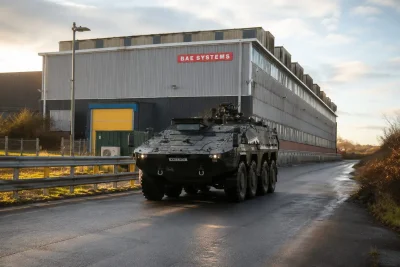
Despite the favorable demand environment, the company faces execution risks. A report over the weekend highlighted delays at a new explosives factory in Glascoed, Wales. The facility, which is tied to efforts to expand UK artillery shell production capacity, has not yet commenced operations after a planned start in 2025. This underscores the practical complexities and potential bottlenecks that can accompany the large-scale rearmament efforts currently underway across NATO nations.
Such project delays serve as a reminder that translating robust order books into sustained revenue and profit growth requires flawless operational execution, particularly within complex manufacturing and supply chain ecosystems.
Broader Sector Implications
The performance and guidance from BAE Systems are often viewed as a bellwether for the global defense industry. Positive commentary on order flow and cash conversion could buoy sentiment across the sector, while any signs of margin pressure or program delays may prompt a more cautious reassessment. The interplay between steadfast political support for defense budgets and the industry's ability to deliver on its promises will continue to be a central narrative for investors in the coming quarters.