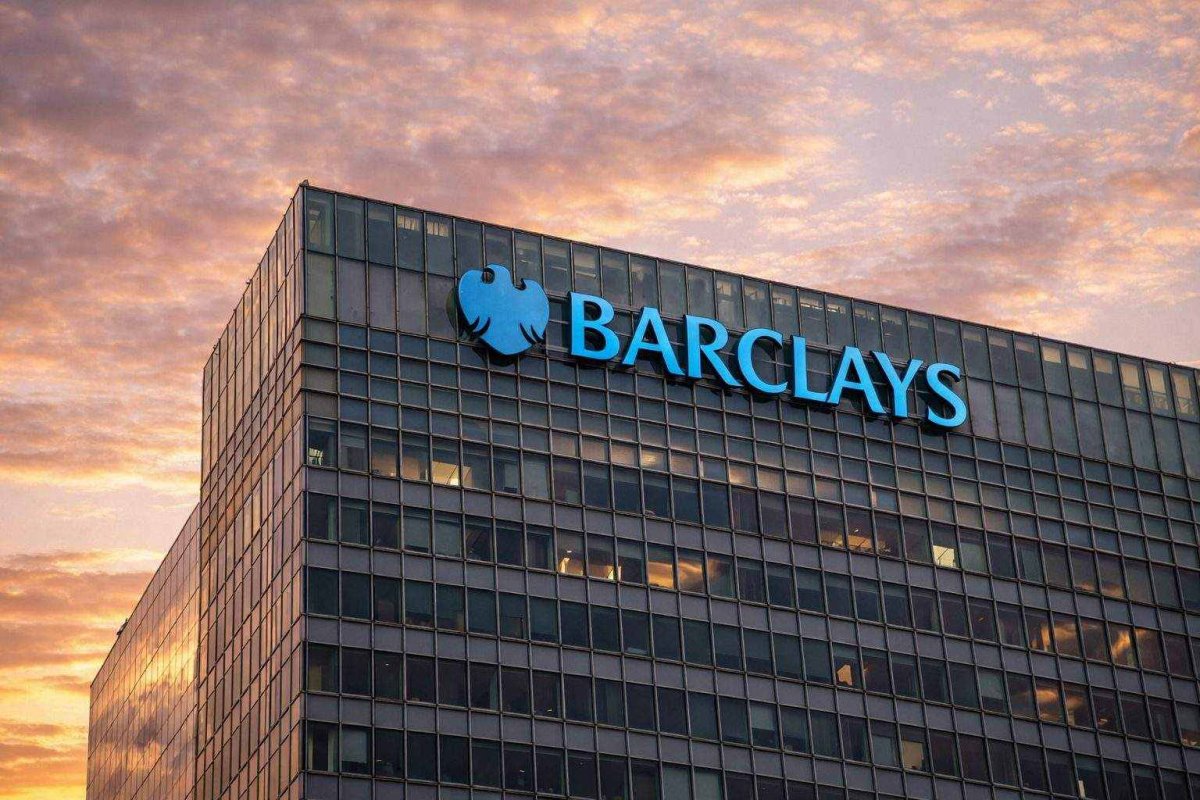
Shares of Barclays moved higher in London trading following the release of its annual results, which featured upgraded financial targets and a substantial new capital return initiative.
Financial Performance and Targets
The British banking group announced a pre-tax profit of £9.1 billion for 2025, representing a 12% increase from the prior year. For the final quarter, pre-tax profit reached £1.9 billion. The bank has set an ambitious goal to achieve a return on tangible equity above 14% by 2028.
Management also raised its income guidance for 2026 to approximately £31 billion, with a forecast for annual income growth exceeding 5% through the end of its strategic planning period. Total income for 2025 climbed to £29.14 billion from £26.79 billion a year earlier.
Strategic Capital Allocation
A central pillar of the announcement is a plan to return more than £15 billion to shareholders between 2026 and 2028. CEO C.S. Venkatakrishnan stated the strategy aims to "secure sustainably higher returns through to 2028 and beyond." The bank is sharpening its focus on its core UK operations while implementing cost controls, with artificial intelligence cited as a component of its efficiency drive.
The bank's cost-to-income ratio is expected to remain in the high 50s percentage range in the near term, with a target to reduce it to the low 50s within three years.
Market Context and Risks
The updated targets arrive as investors assess the ability of UK lenders to maintain profitability in a shifting interest rate environment. While Barclays' investment banking division provided a lift in the fourth quarter, its UK retail business reportedly lost ground.
Analysts note the plan offers limited buffer for economic surprises. A faster-than-expected decline in interest rates could pressure lending margins, while any increase in credit losses or cost overruns would test the bank's commitment to delivering more stable returns, particularly given its reliance on market-sensitive operations.
Investor attention now turns to other major UK banks, with NatWest scheduled to report its annual figures later this week, where capital return plans and long-term targets will also be in focus.