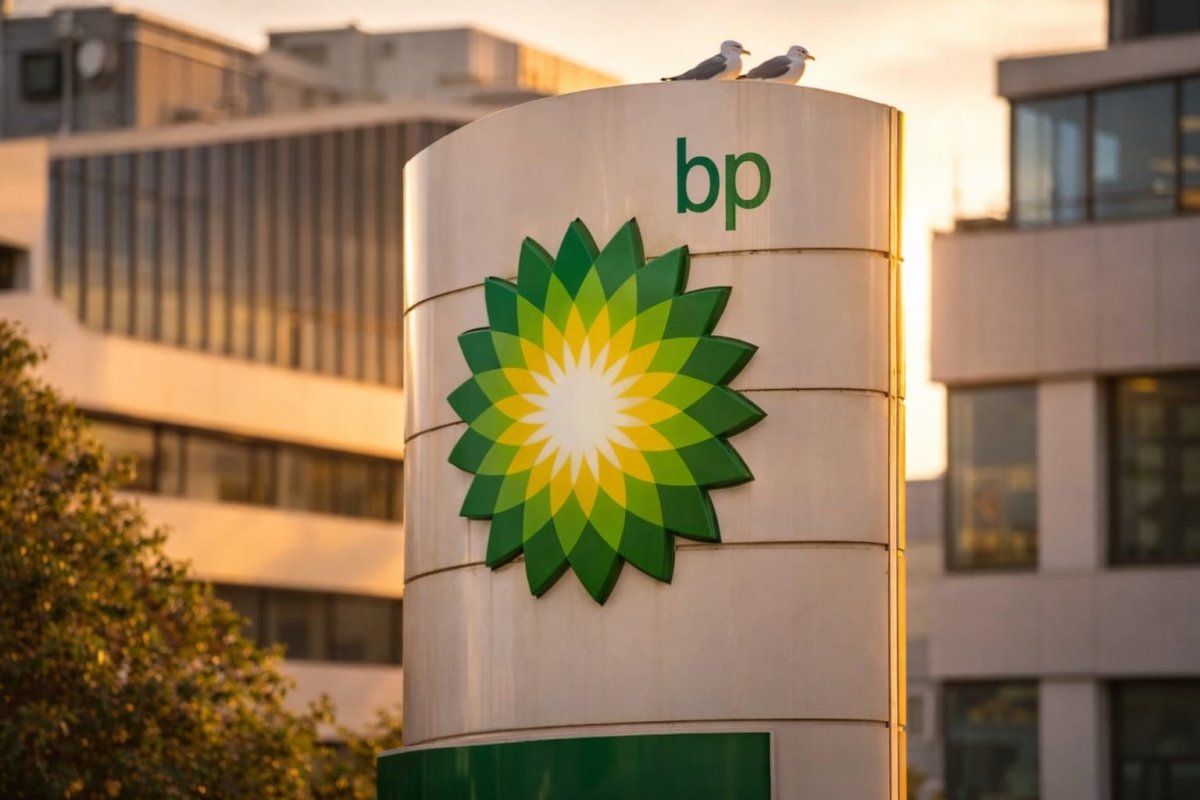
Shares of British energy giant BP PLC experienced a modest decline during Friday's early trading session in London, shedding approximately 1% to reach 474 pence by 0825 GMT. The movement comes as market participants adjust positions ahead of the company's upcoming dividend distribution. Investors seeking to qualify for the cash dividend of 0.083 pence per share, scheduled for payment on March 27, must be recorded as shareholders by the February 20 record date.
Oil Markets Maintain Elevated Levels
Meanwhile, global crude oil benchmarks continued to trade near their strongest levels in half a year. Brent crude futures, the international benchmark, edged higher by 33 cents to $71.99 per barrel. U.S. West Texas Intermediate (WTI) crude advanced 62 cents to $67.05 per barrel as of 0715 GMT. This sustained strength follows a notable rally on Thursday, with Brent settling at $71.66 and WTI at $66.43, buoyed by renewed risk-on sentiment driven by developments in the Middle East.
Market analysts attribute the firm pricing to persistent concerns over potential supply disruptions. "Crude oil prices have edged to six-month highs as concerns over potential supply risks from the Strait of Hormuz keep markets on edge," noted Priyanka Sachdeva, a senior market analyst at Phillip Nova. The geopolitical landscape was further complicated by a statement from former U.S. President Donald Trump, who reportedly set a 10- to 15-day window for reaching an agreement with Iran, adding another layer of uncertainty to regional stability and energy flows.
Corporate Developments and Geopolitical Relief
In a separate corporate development, BP expressed support for a recent U.S. decision to ease certain sanctions on Venezuela's energy sector. The company stated that this regulatory shift supports continued planning for the cross-border Manakin-Cocuina gas field project, a joint venture with Trinidad and Tobago's National Gas Company. This project represents a significant strategic asset for BP's natural gas portfolio in the region.
The stock's performance on Friday follows a substantial surge in the previous session. According to MarketWatch data, BP shares jumped 3.38% on Thursday to close at 4.79 pounds, approaching their 52-week high. Trading volume during that rally significantly exceeded recent averages, indicating heightened investor interest.
Market Mechanics and Sector Correlation
The timing of the decline aligns with typical market behavior around dividend distributions. A stock often experiences downward pressure near its ex-dividend date, as new buyers entering after that date are excluded from the upcoming payout. This technical adjustment occurs independently of changes to the company's fundamental business outlook or financial health.
As a major integrated oil company, BP's share price frequently moves in correlation with broader energy sector trends and particularly with peers like Shell and TotalEnergies. The primary driver for the sector currently appears to be macroeconomic and geopolitical factors influencing crude oil prices, rather than company-specific news.
Senior analyst Phil Flynn of Price Futures Group commented on the underlying market strength, stating, "We have a solid market with solid demand," reflecting a constructive view on oil fundamentals despite the geopolitical overhang.
Risk Considerations for Energy Investors
The current premium in oil prices, and by extension in energy equities, is sensitive to geopolitical developments. Should tensions in the Middle East subside or immediate supply concerns diminish, the risk premium embedded in crude prices could rapidly unwind. In such a scenario, energy stocks, including BP, could relinquish recent gains at a pace similar to their ascent. Investors are therefore closely monitoring diplomatic developments and inventory data for signals about the market's next directional move.
Friday's trading thus presents a microcosm of forces affecting global energy equities: technical price adjustments due to corporate actions like dividends, against a backdrop of robust commodity prices driven by a complex mix of supply, demand, and geopolitical risk factors.