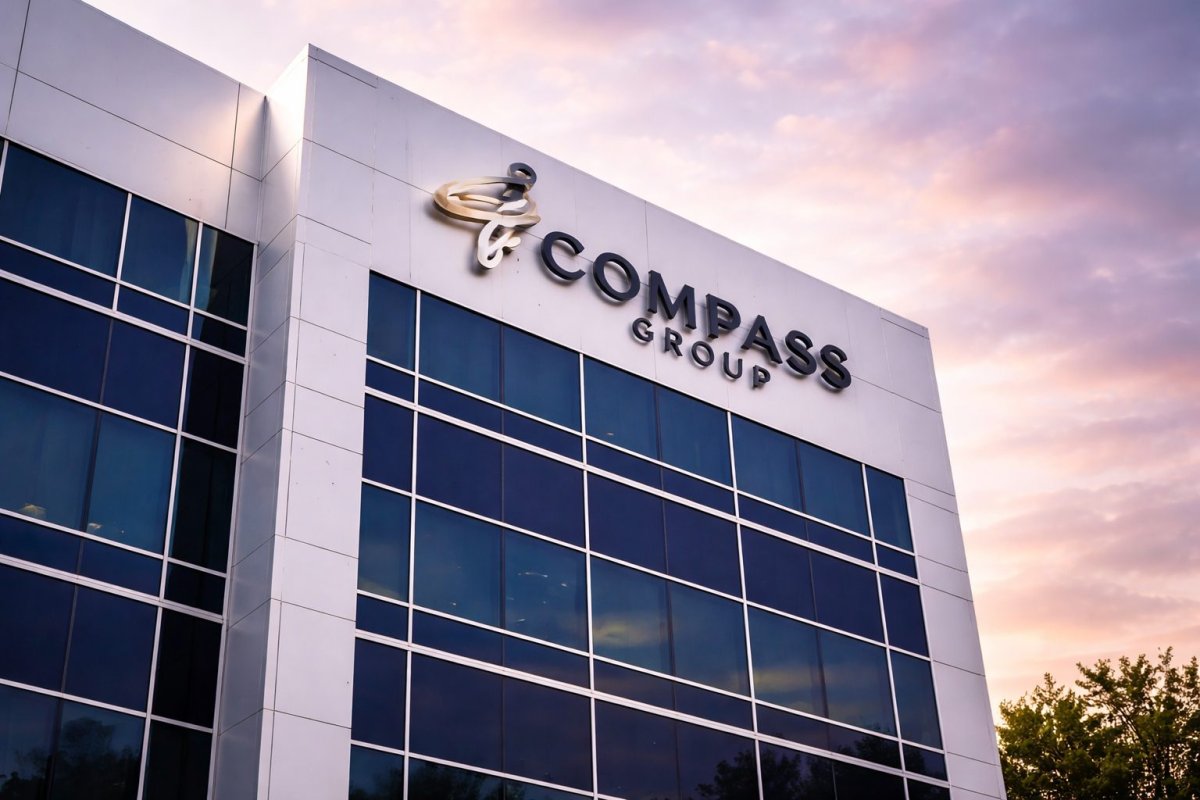
Shares of Compass Group PLC, the global catering and support services giant, opened higher in London trading on Monday, marking a tentative recovery from a significant sell-off that recently pushed the stock to a one-year low. The FTSE 100 constituent saw its price increase by 1.8% to 2,090 pence by 0832 GMT, representing a gain of 37 pence within a daily range of 2,060 to 2,091 pence.
This uptick arrives against a backdrop of sustained pressure on the stock, which remains approximately 26% lower over the past twelve-month period. The share price touched a concerning nadir of 2,000 pence as recently as February 13, reflecting broader investor anxieties about the company's operating environment. Market participants are now scrutinizing whether this early strength indicates a potential pause in the downward trend or merely a temporary respite.
A key near-term catalyst for shareholder attention is the impending distribution of the company's final dividend. Compass has confirmed a payment of 31.75 pence per share, scheduled for February 26. The company utilized forward currency contracts to lock in the sterling value of this payout, which translates to approximately 43.3 cents per share for holders of its American Depositary Receipts. This move hedges against foreign exchange volatility ahead of the disbursement.
Beyond the dividend, the conversation among analysts and investors is increasingly turning toward capital allocation strategy. The steep decline in the share price has reignited speculation about the potential for a share buyback program. This discussion was highlighted in a recent report from Investors' Chronicle. The focus on capital returns comes as the company's leadership, including Chief Executive Dominic Blakemore, has emphasized a strategic priority on growth through acquisitions. Blakemore recently told analysts that building brands organically is "very hard," signaling a continued appetite for strategic purchases.
This strategic context makes the upcoming financial updates critical. The market will next receive formal guidance with the release of Compass Group's half-year results on May 11. These figures are anticipated to provide crucial insights into the current trading pace and management's future plans for deploying capital. The company's most recent operational update, a first-quarter trading statement released on February 5, presented a mixed picture. It reported a robust 7.3% increase in organic revenue, which excludes the impact of acquisitions and currency movements, and reaffirmed the full-year outlook for 2026.
Despite this solid operational performance, the stock declined following the update as analyst focus shifted to structural challenges. Primary concerns center on the potential for artificial intelligence and automation to disrupt traditional office demand, thereby affecting client site traffic and meal counts. In the contract catering business, where fixed costs are high, even minor fluctuations in demand can have a disproportionately large impact on profitability. JPMorgan analysts maintained a cautious stance after the update, suggesting the figures were "unlikely to improve sentiment" in the near term.
Compass continues to pursue growth opportunities within its core markets. Demonstrating this, its UK and Ireland division announced on February 4 that it had secured a significant seven-year contract to provide food and beverage services at London's Heathrow Airport. The deal includes plans to refurbish eleven staff restaurants, with the new offering set to launch in April. Robin Mills, Managing Director of Compass Group UK & Ireland, expressed that the team was "delighted" to begin rolling out the new services.
Nevertheless, the fundamental risks facing the business remain clear and present. Should corporate clients accelerate a reduction in on-site operations or demand more aggressive pricing from suppliers, Compass could face simultaneous pressure on both service volumes and profit margins. Furthermore, any unanticipated surge in wage inflation or food costs ahead of contract renewal dates would directly compress earnings, as these costs are difficult to pass on immediately under fixed-term agreements.
Investors are now positioned between near-term income and long-term strategic questions. The dividend payment on February 26 offers a tangible return, but the broader investment thesis hinges on the company's ability to navigate a post-pandemic work environment increasingly shaped by technology and changing corporate real estate strategies. All eyes will be on the May 11 results for clues on how management is steering the business through these crosscurrents and whether shareholder returns will be augmented beyond the dividend.
