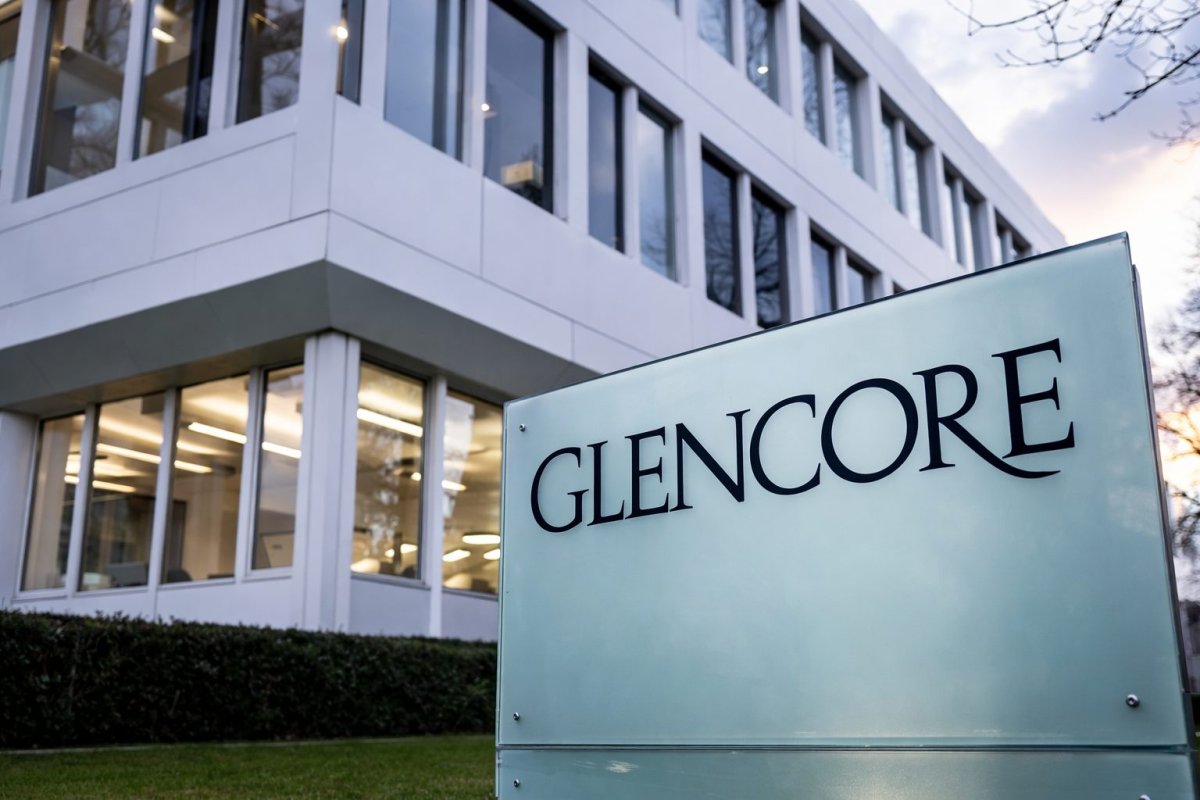
Shares of Glencore PLC exhibited little change during early Friday trading in London, as the market digested the global mining and commodities giant's full-year 2025 results and a substantial capital return initiative. The stock edged up a marginal 0.04% to 505.2 pence, navigating a complex landscape of operational updates and strategic shifts.
Financial Performance and Shareholder Returns
The company reported a 6% year-over-year decline in its 2025 adjusted earnings before interest, taxes, depreciation, and amortization (EBITDA), which settled at $13.51 billion. This figure, however, surpassed the consensus analyst forecast of $13.3 billion. Concurrently, Glencore announced a $2 billion return of capital to shareholders, structured as a combined distribution of 17 cents per share. This payout will be split into two equal instalments, scheduled for June and September of this year.
Chief Executive Gary Nagle emphasized a clear underlying momentum during the second half of the year, driven by improved metals prices and higher production volumes, particularly in copper. Nagle also reaffirmed his belief in industry consolidation, a stance maintained despite the recent collapse of merger discussions with rival Rio Tinto.
Copper Growth and Strategic Focus
Glencore's strategic communications heavily underscored its copper ambitions. The company reiterated its production targets, aiming for over 1 million tonnes of annualized copper output by the end of 2028 and approximately 1.6 million tonnes by 2035. To support this growth, Glencore finalized a critical land access agreement with Congo's state-owned miner Gécamines for its Kamoto Copper Company operation. This deal is intended to facilitate a mine-life extension and enhance productivity at the key African asset.
The detailed breakdown of the shareholder return reveals a 10-cent base distribution supplemented by a 7-cent top-up. This additional component is linked to the value of Glencore's stake in U.S. agricultural trader Bunge, which the company classifies as surplus capital.
Challenges in Trading and Market Sentiment
Not all segments delivered positive news. The company's formidable trading division faced headwinds, with earnings from energy and steelmaking coal trading plummeting 32% to $614 million for the year. This decline occurred despite an 11% increase in traded volumes of oil, oil products, and gas, reaching 4.2 million barrels per day. Analysts attributed the profit slump to well-supplied markets and a weaker overall sentiment impacting performance.
Maurizio Carulli, an energy and materials analyst at Quilter Cheviot, identified the failed Rio Tinto merger talks as the "elephant in the room." He suggested the market's focus would likely shift to portfolio adjustments, including potential partnerships or divestments involving Glencore's copper pipeline and coal assets.
Future Catalysts and Investor Watchpoints
Looking ahead, investors are monitoring several key developments. These include concrete progress on Glencore's plan to sell a 40% stake in its Congo copper and cobalt business to a U.S.-backed consortium, as well as details on its participation in Washington's "Project Vault" strategic stockpiling initiative. The company's net debt remained steady at $11.2 billion, and it is concurrently pursuing a cost-reduction program targeting $1 billion in savings by the end of 2026—a plan sensitive to operational volumes, labor, and execution.
The immediate catalysts for the stock will be the confirmed timing of the June and September cash distributions. The broader investment thesis, however, hinges on Glencore's ability to translate its copper growth narrative into tangible production and cost gains, all while its marketing arm steers through another potentially volatile year. The stability of coal prices and trading margins will be critical in determining whether the cash-return story maintains its potency.