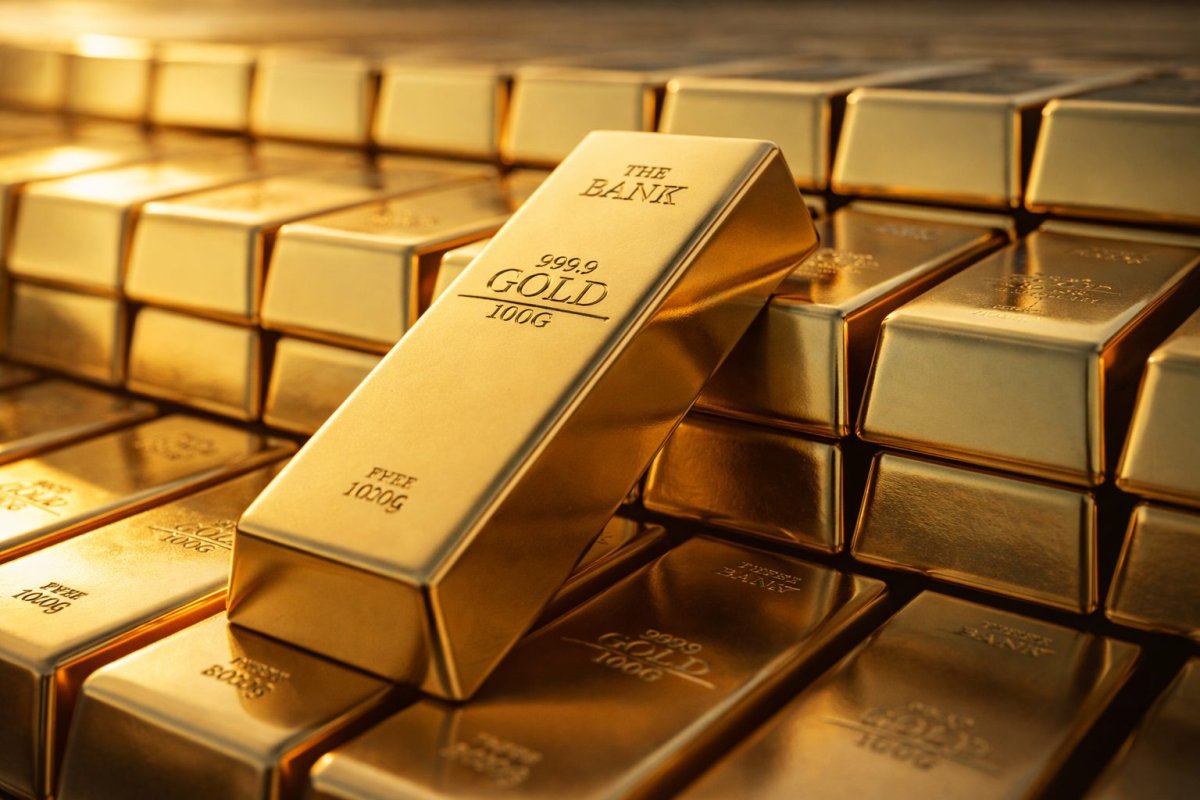
Gold prices staged a significant recovery on Friday, February 14, 2026, climbing back above the psychologically important $5,000 per ounce threshold. The rally was fueled by the latest U.S. inflation data, which came in softer than anticipated, bolstering market expectations for an earlier start to Federal Reserve interest rate cuts. Spot gold surged 2.1% to settle at $5,022.06 an ounce, erasing the prior session's steep decline and securing a 1.2% weekly gain. The most active U.S. gold futures contract for April delivery followed suit, closing up 2% at $5,046.30.
Inflation Data Shifts Rate-Cut Calculus
The catalyst for the move was the January Consumer Price Index (CPI) report from the Labor Department. Headline inflation rose 0.2% for the month. More critically, the core CPI—which excludes volatile food and energy prices—increased 0.3% monthly and 2.5% year-over-year, marking its slowest annual pace in nearly five years. While some economists noted that underlying price pressures remain elevated, the data was perceived as sufficiently benign to allow the Fed to consider easing monetary policy. Immediately following the release, interest-rate futures markets repriced, assigning nearly a 70% probability of a rate cut at the Fed's June meeting. Traders now anticipate approximately 64 basis points of total easing for the full year.
A Dramatic Reversal from Thursday's Plunge
Friday's advance represented a sharp reversal from the previous day's trading, where bullion tumbled 2.8% to close at $4,938.69, decisively breaking below the $5,000 level. Market analysts attributed Thursday's sell-off to a cascade of stop-loss orders clustered beneath that key round number, which accelerated the downward momentum as they were triggered. The swift rebound on Friday effectively squeezed out weaker speculative positions that had been established during the dip.
The rally was not confined to gold. Silver, often more volatile, outperformed, jumping 3.4% to $77.70 per ounce. Market participants characterized the broad precious metals move as a "relief rally" in direct response to the inflation figures. As a non-yielding asset, gold is highly sensitive to shifts in interest rate expectations; lower rates decrease the opportunity cost of holding bullion, making it more attractive to investors.
Diverging Physical Demand Trends
While investment flows reacted positively to the macro data, physical demand patterns showed notable divergence in key global markets. In India, one of the world's largest gold consumers, dealers shifted to offering discounts of up to $12 per ounce below official domestic prices. This marks a stark contrast to the premiums as high as $70 seen just a week prior, indicating that record-high local prices have begun to significantly dampen retail and jewellery demand.
Conversely, demand in China remained resilient ahead of the extended Lunar New Year holiday, which began on February 15. Supporting the market, the People's Bank of China continued its official sector accumulation, adding to its gold reserves for a fifteenth consecutive month. Analysts noted that although high prices have tempered some buying enthusiasm on the mainland, underlying demand remains positive.
Market Technicals and the Road Ahead
The $5,000 level has solidified as a critical technical and psychological pivot point for gold, acting as a tripwire for market sentiment. With U.S. markets closed on Monday for the Presidents Day holiday—leading to abbreviated electronic trading hours on CME Globex from February 15-17—analysts caution that lower liquidity could result in wider price gaps and heightened volatility, particularly from momentum-driven traders.
Looking forward, the market's focus will quickly turn to a packed economic calendar. The immediate priority will be the release of the Federal Reserve's January meeting minutes on February 18. This will be followed on February 20 by a critical trio of data points: the core Personal Consumption Expenditures (PCE) price index—the Fed's preferred inflation gauge—the first estimate of fourth-quarter GDP, and the flash Purchasing Managers' Index (PMI) surveys. The interplay between these reports will be crucial in determining whether the disinflation narrative strengthens or if persistent concerns about a tight labor market and sticky inflation re-emerge to challenge the case for imminent rate cuts.
Ultimately, gold finds itself at a crossroads, caught between encouraging signs of moderating inflation and a still-strong U.S. economy that could keep the Fed cautious. The durability of Friday's rally hinges on the upcoming data flow. Should next week's indicators reignite fears of persistent inflation, bond yields could spike anew, potentially triggering another round of profit-taking in gold. Furthermore, sustained high price levels continue to pose a risk to physical offtake from the jewellery sector, a traditional pillar of demand.