Heating oil futures retreated in early Tuesday trading, relinquishing a portion of the previous session's gains that were driven by heightened geopolitical risks near Iran. The NYMEX contract for ultra-low sulfur diesel (ULSD) fell 1.7 cents, or approximately 0.7%, to settle at $2.3996 per gallon.
Crude Oil Leads the Retreat
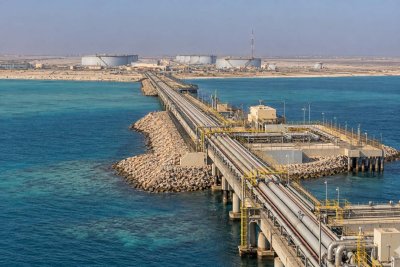
The move in distillates mirrored a broader decline in the oil complex. Brent crude futures slipped 24 cents to $68.80 a barrel, while West Texas Intermediate (WTI) shed 30 cents to $64.06. The pullback followed a rally on Monday after the U.S. Department of Transportation issued new navigation guidance for vessels near the Strait of Hormuz, a critical chokepoint for global oil shipments.
Analysts noted the market is reassessing the immediate risk premium. "Unless there are concrete signs of supply disruptions, prices will likely start going lower," commented Tamas Varga, an oil analyst at PVM. The price action suggests traders are cautiously optimistic that recent diplomatic talks may prevent a significant escalation, though a modest risk premium remains in place.
Market Awaits Key Inventory Data
Attention is now squarely on fundamental data. The U.S. Energy Information Administration will release its weekly petroleum status report on Wednesday, with traders keenly watching distillate stockpile figures. This data covers inventories of heating oil and diesel, providing a crucial signal for near-term supply and demand balances in the refined products market.
Heating oil is particularly sensitive to inventory swings, especially during the winter heating season in the U.S. Northeast. The diesel "crack spread," or the profit margin for refiners producing distillates, will also be in focus as it influences production incentives. An unexpected build in inventories or a softening in demand could quickly pressure ULSD prices lower.
The broader outlook remains mixed. While the International Energy Agency projects a supply surplus this year, prices have been supported by opaque stockpiles and ongoing geopolitical uncertainties, creating a complex environment for traders and analysts alike.