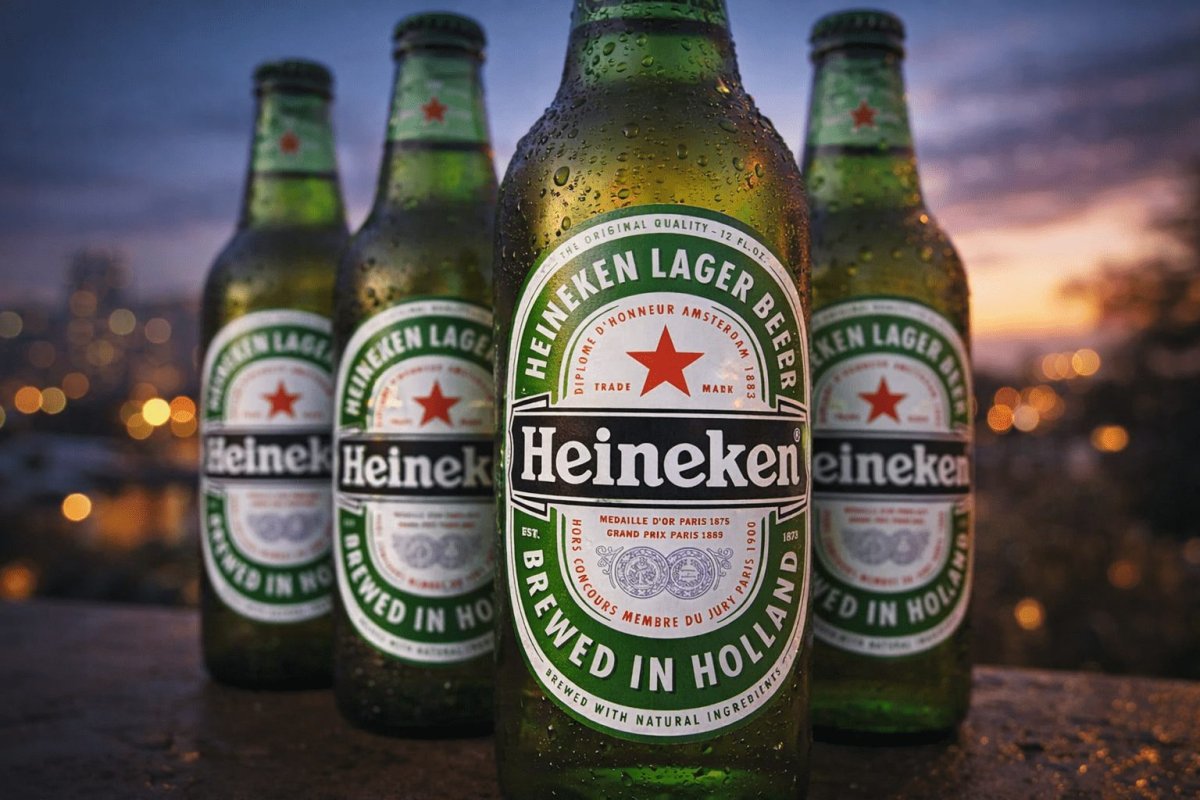
Heineken NV has unveiled a significant restructuring plan that will eliminate between 5,000 and 6,000 jobs worldwide across the next 24 months. The initiative, part of the brewer's EverGreen 2030 strategy, aims to generate annual gross savings in the range of €400 million to €500 million.
Financial Outlook and Leadership Change
The company projects its operating profit will grow between 2% and 6% in 2026, following an anticipated 4.4% increase in 2025. This forecast comes after total beverage volume declined by 1.2% in the previous year. The restructuring coincides with a leadership transition, as current CEO Dolf van den Brink is set to step down in May, with a search for his successor underway.
Strategic Rationale and Market Pressures
Heineken's finance chief, Harold van den Broek, stated the job cuts are designed to "strengthen our operations" and free up capital for strategic investments. The decision reflects broader industry challenges, including tapering demand in mature markets where persistent inflation and repeated price increases have heightened consumer price sensitivity. The company's shares rose approximately 3.5% following the announcement.
The restructuring extends beyond simple headcount reduction, involving a reorganization of the company's global structure. This includes changes to finance and HR teams, their geographic locations, and the number of management layers between local breweries and corporate headquarters. Van den Broek indicated the program "touches all levels in the organisation," with plans to leverage artificial intelligence to enhance shared services and consolidate smaller markets into regional clusters.
Industry Headwinds and Execution Risks
The brewer faces a complex market environment characterized by growing health warnings, increasing popularity of no- and low-alcohol alternatives, and the potential impact of weight-loss drugs on consumption habits. While the cost-saving plan is ambitious, execution in Europe may be slowed by regulatory complexities, and restructuring costs will not deliver immediate benefits. If volumes continue to decline, Heineken may face the dual challenge of maintaining brand investment while implementing cuts.
The company has not disclosed specific geographic targets for the workforce reductions, providing only a global figure. A spokesperson noted that "local processes will determine when cuts hit each market" and declined to comment on regional impacts. Analysts, including Bernstein's Trevor Stirling, have described the company's guidance as prudent given the scale of the operational overhaul. Investors are now awaiting further details on which roles will be affected and who will lead the company through this transition.