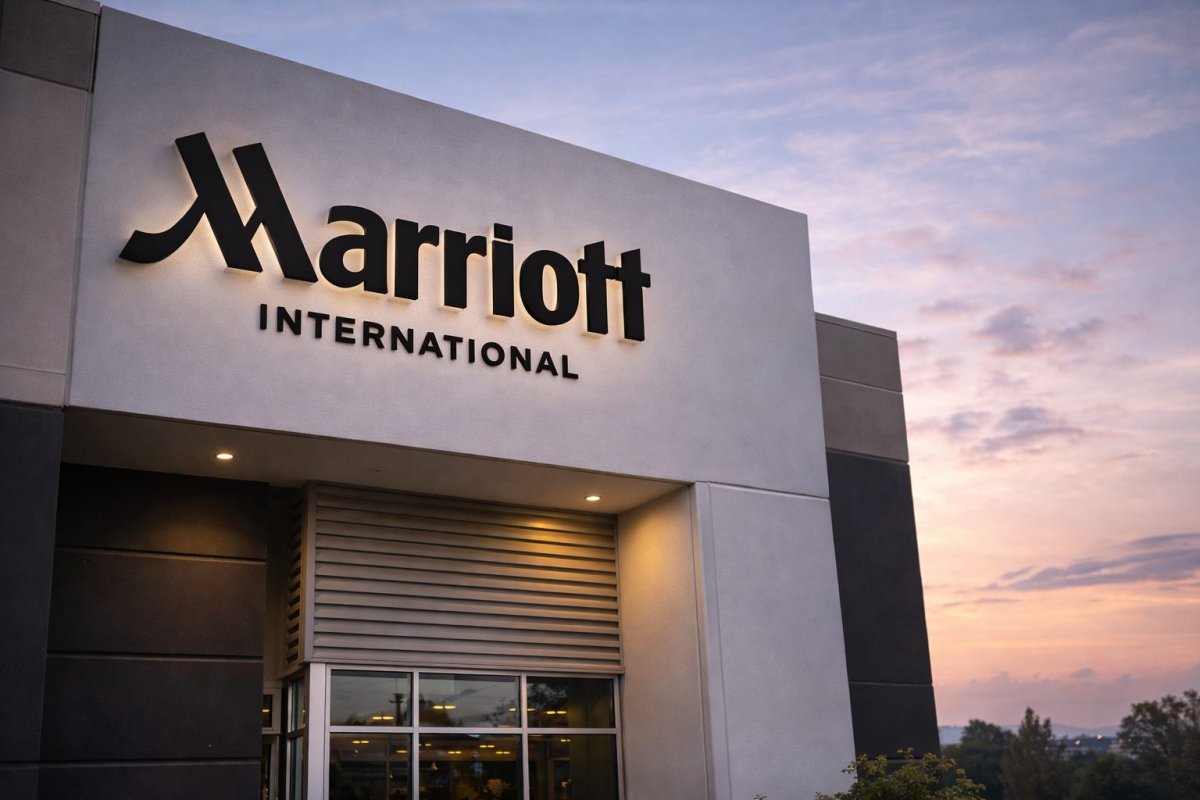
Marriott International shares rallied sharply on Tuesday, climbing 9.1% to $361.37, following the release of its quarterly earnings and a new forecast for 2026. The positive market reaction came despite a mixed performance across different travel segments.
Diverging Demand Trends
The hotel giant's results revealed a clear split in consumer behavior. Worldwide revenue per available room (RevPAR) increased 1.9% in the fourth quarter of 2025. This growth was driven by a robust 6.1% gain in international markets, while the U.S. and Canada region was essentially flat. Notably, the company's domestic luxury segment room revenue rose 4.9%, contrasting with a 1.8% decline in its U.S. select-service, or budget-oriented, segment.
For the full year 2026, Marriott projects worldwide RevPAR growth between 1.5% and 2.5%. The company also anticipates net rooms growth of 4.5% to 5% and aims to return more than $4.3 billion to shareholders. It highlighted a record development pipeline of approximately 4,100 properties.
Earnings Details and Executive Commentary
Marriott reported adjusted earnings of $2.58 per share on revenue of $6.69 billion for the quarter, missing profit expectations but surpassing revenue estimates. On a conference call, CEO Anthony Capuano noted that luxury hotels "continued to outperform" and attributed the flat performance in North America partly to an extended U.S. government shutdown impacting business travel.
Chief Financial Officer Leenie Oberg characterized the projected rooms growth as "organic." The company's guidance assumes a relatively stable macroeconomic environment and does not yet factor in potential impacts from ongoing negotiations to renegotiate U.S. co-branded credit card agreements.
Investor Sentiment and Risks
The strong stock performance suggests investor relief that Marriott's outlook remains intact and that its fee-heavy business model can continue generating cash returns even with pressure on the lower end of the market. However, risks persist. A deepening pullback in budget travel could eventually pressure rates across the chain. A prolonged government shutdown would further suppress business travel, and the outcome of credit card negotiations could affect future fee income.
The market will now look to upcoming reports from peers like Hilton Worldwide and Hyatt Hotels for confirmation of this luxury-versus-budget demand split across the hotel industry.