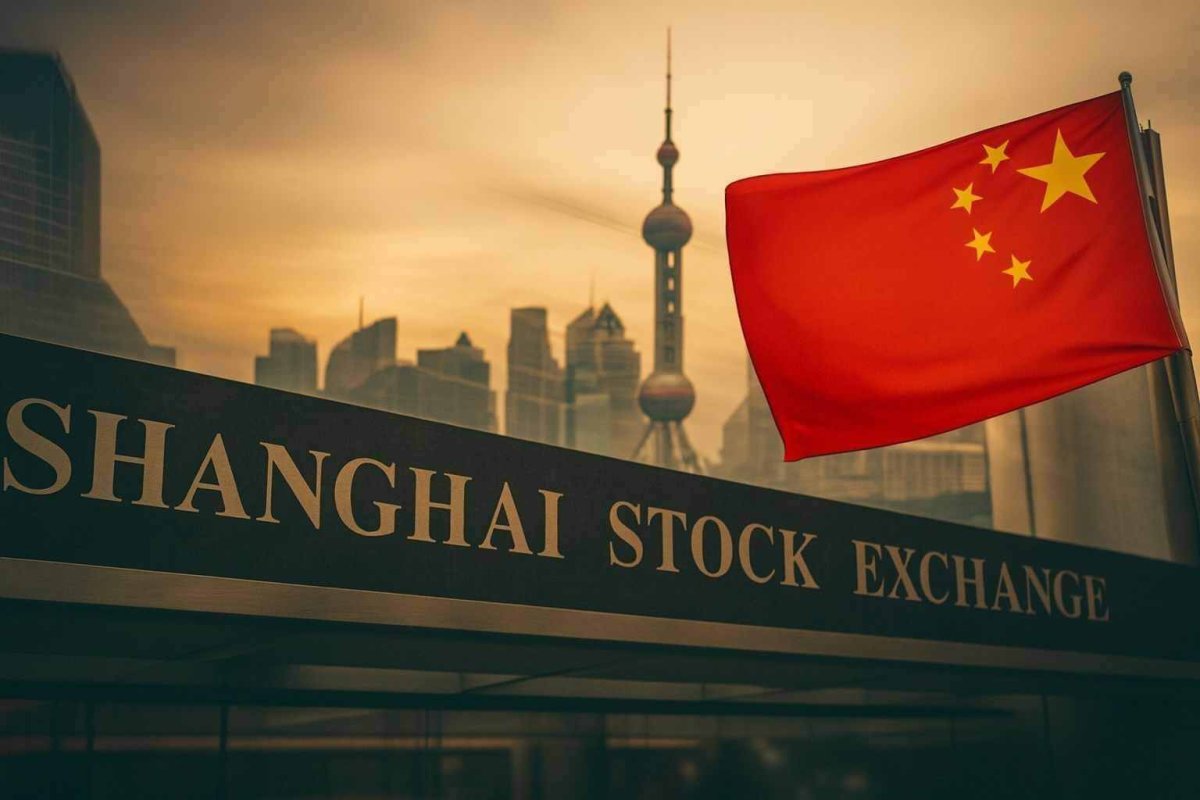
Chinese equity markets concluded trading before the Lunar New Year holiday with notable declines, as participants trimmed risk exposure. The CSI300 Index, a benchmark for blue-chip stocks listed in Shanghai and Shenzhen, closed at 4,660.41 on February 13, marking a drop of 1.25%. Similarly, the Shanghai Composite Index finished the session at 4,082.07, down 1.26%. This pullback occurred amidst a broader context of thin regional liquidity due to holiday market closures.
Divergent Performance in Hong Kong
In contrast to the mainland's weakness, Hong Kong's Hang Seng Index managed a modest gain during a shortened trading day. The index advanced 0.5% to close at 26,705, reinforcing the city's role as the primary offshore hub for trading Chinese company shares. The divergent performance highlights the segmented nature of "China stocks," which can refer to domestically listed A-shares, Hong Kong-listed H-shares, or overseas-listed depositary receipts and funds.
Entry Points and Investment Channels
For investors new to Chinese equities, several access routes are available, each governed by distinct rules. A common starting point is through exchange-traded funds (ETFs) or mutual funds listed in local markets, which provide broad exposure and handle operational complexities like corporate actions. For direct stock selection, Hong Kong listings offer access to major Chinese firms with disclosures often more accessible than those on the mainland, though trades settle in Hong Kong dollars.
The primary conduit for mainland A-share exposure is the Stock Connect scheme. According to Hong Kong Exchanges and Clearing (HKEX), this channel allows international investors to trade eligible shares on the Shanghai and Shenzhen exchanges via Hong Kong. The program features a daily northbound quota of 52 billion yuan. However, retail investors are barred from certain segments like the STAR Market and ChiNext board, which are reserved for professional investors.
Navigating Trading Rules and Risks
First-time investors must grapple with unique market mechanics. Most A-shares on the Shanghai Stock Exchange are subject to a 10% daily price movement limit, while the STAR board permits 20% swings. These limits can curb volatility but may also lead to liquidity traps during fast-moving markets. Additional Stock Connect rules prohibit same-day turnaround trading and may reject orders placed outside permissible price bands.
Currency risk is a paramount consideration for offshore investors. Northbound trades settle in Chinese yuan, meaning foreign exchange fluctuations can directly impact returns irrespective of underlying stock performance. Furthermore, transaction costs can vary and may disproportionately affect smaller trades.
Sector Dynamics: AI in Focus
Market movements are increasingly driven by sector-specific product cycles and policy directives rather than broad macroeconomic data alone. This is particularly evident in technology and "new economy" stocks, which have attracted significant retail interest. Ahead of the holiday, several Chinese AI firms announced product updates. ByteDance launched its Doubao 2.0 chatbot, Tencent's Hunyuan team released a streamlined model for consumer devices, and iFlytek issued upgrades. Additionally, AI company Zhipu filed for a secondary listing in Shanghai.
"We sense a notable pick-up in interest," remarked James Wang, head of China strategy at UBS investment bank research, pointing to sectors like chemicals and A-share semiconductor equipment that are closely tied to the nation's push for indigenous AI capabilities. This sentiment follows commentary from UBS China strategist Meng Lei, who noted that a robust stock market aids China's technological advancement, wealth creation, and economic growth.
Post-Holiday Market Catalysts
As markets reopen, key focal points include whether domestic capital flows back into AI-linked equities, if regulators maintain their stance on curbing speculative leverage, and the steadiness of overseas fund flows through Hong Kong channels. The durability of the recent AI-fueled rally remains in question, especially against a backdrop of unsteady U.S. tech stocks which have contributed to lingering "AI trade" anxieties.
The environment for China equities is characterized by potential for sharp gains matched by vulnerability to sudden downturns. Policy directions can shift rapidly, and geopolitical developments can swiftly impact entire sectors. The yuan's volatility adds another layer of complexity for international investors, while typically thin holiday trading can amplify initial post-break price movements.