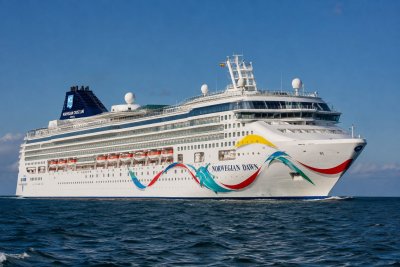
Norwegian Cruise Line Holdings Ltd. has entered into a significant fleet expansion agreement, securing three new vessels from Italian shipyard Fincantieri with deliveries scheduled for 2036 and 2037. The order allocates one ship to each of the company's three primary brands: Norwegian Cruise Line, Oceania Cruises, and Regent Seven Seas Cruises.
Investors reacted negatively to the announcement, sending shares of NCLH down 7.6% to close at $21.49 on Friday. U.S. markets were closed Monday for the Presidents Day holiday, with trading set to resume Tuesday. The market response highlights ongoing investor skittishness toward capital-intensive projects within the travel sector, particularly for companies carrying substantial debt loads.
Strategic Fleet Expansion Details
The newbuild program represents a long-term strategic investment, with the first vessel not expected for over a decade. Norwegian Cruise Line's ship will be the largest at approximately 227,000 gross tons with capacity for more than 5,000 guests. The Regent vessel will measure about 77,000 gross tons with roughly 822 berths, while Oceania's ship will come in at 86,000 gross tons accommodating approximately 1,390 passengers.
Company executives framed the agreement as securing critical shipyard capacity through the late 2030s. "This move secures access to valuable shipyard capacity," stated CEO John Chidsey, emphasizing that near-term financial commitments remain modest. The company plans to utilize export credit agency financing to cover the majority of costs at delivery, with pre-delivery payments not becoming material until closer to handover.
Market Context and Competitive Landscape
The cruise industry operates on extended planning horizons, with major players like Carnival Corporation and Royal Caribbean Group routinely placing orders years in advance. New vessels serve as essential tools for driving onboard revenue growth and justifying premium pricing. However, the substantial lead times introduce significant uncertainty regarding future demand patterns, financing costs, and macroeconomic conditions.
Fincantieri CEO Pierroberto Folgiero characterized the order as "very important" for the shipbuilder, noting it strengthens the longstanding partnership and secures production work through 2037. The agreement brings Norwegian's total newbuild order book to 17 vessels, with management projecting compound annual capacity growth of approximately 4% between 2026 and 2037.
Investor Concerns and Risk Factors
The stock's decline underscores market apprehension about capital intensity in the cruise sector. While deferred delivery schedules help mitigate immediate leverage and cash flow pressures, they create exposure to potential shifts in the operating environment. Key risks include potential softening in discretionary travel demand coinciding with deleveraging efforts, construction cost inflation, shipyard delays, volatile fuel prices, and rising interest rates.
Norwegian faces the particular challenge of navigating its debt reduction strategy while committing to future capital expenditures. The company's ability to manage these competing priorities will be closely watched by investors, especially if economic conditions deteriorate when larger progress payments come due.
Looking Ahead: Financial Results and Guidance
Market participants will scrutinize Tuesday's trading session for early indications of how the order influences longer-term capital expenditure expectations. More substantive insight will arrive with the company's fourth-quarter and full-year 2025 financial results, scheduled for release on March 2. This report will provide updated guidance and detailed commentary on balance sheet management and financing strategies.
The extended timeline until delivery offers Norwegian flexibility but also introduces execution risk. As the industry continues its post-pandemic recovery, balancing growth investments with financial discipline remains paramount. Norwegian's latest order demonstrates commitment to fleet modernization and capacity growth, though investor sentiment reflects concerns about the associated financial commitments in an uncertain future economic landscape.