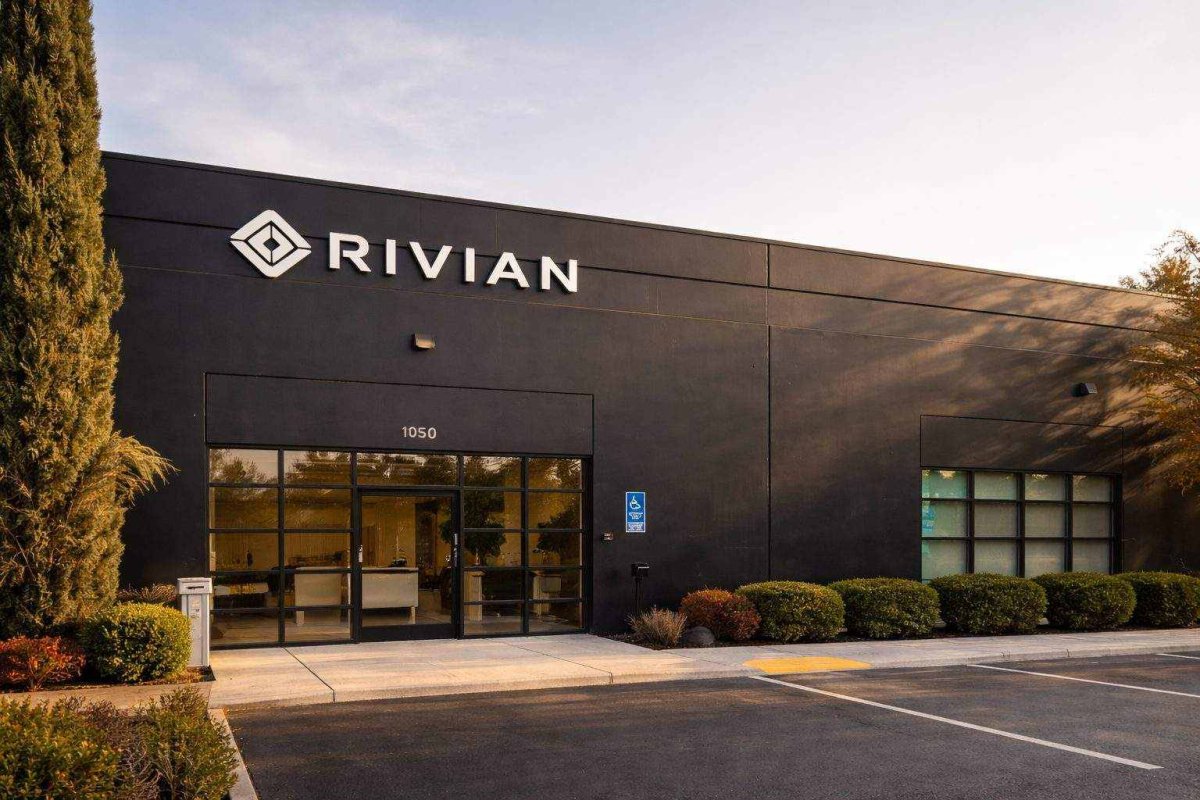
Rivian Automotive (RIVN.O) surged dramatically in Friday's trading session, closing with a gain of 26.7% to reach $17.73 per share. This significant rally was propelled by the company's fourth-quarter financial results and its forward-looking delivery guidance for 2026. The electric vehicle manufacturer reported a consolidated gross profit of $120 million for Q4, with quarterly revenue totaling $1.286 billion. During the period, Rivian produced 10,974 vehicles and delivered 9,745 units to customers.
Analyst Upgrades and Future Projections
Wall Street responded swiftly to the earnings report. Deutsche Bank upgraded Rivian's stock from hold to buy, raising its price target to $23. Analyst Edison Yu cited early indications of an inflection in the company's prospects. Similarly, UBS moved its rating from sell to neutral, with analyst Joseph Spak noting a more balanced risk-reward profile, though he emphasized that success hinges on flawless production execution in the latter half of 2026.
Looking ahead, Rivian provided delivery projections for 2026, forecasting a range between 62,000 and 67,000 vehicles. The company also anticipates an adjusted EBITDA loss of $1.8 billion to $2.1 billion for the year, a metric that excludes interest, taxes, depreciation, and amortization. A key milestone is the planned start of deliveries for its more affordable R2 SUV model in the second quarter, with further details scheduled for a March 12 announcement.
Strategic Shift and Market Context
CEO RJ Scaringe stated the company has "laid the foundation for dramatically scaling our business," highlighting a strategic pivot toward the volume market. The R2 SUV, with a targeted price point around $45,000, is positioned to compete directly with vehicles like Tesla's (TSLA.O) Model Y. This move comes as the broader EV sector contends with softening demand following the expiration of the federal $7,500 tax credit in late September 2025.
Rivian's financial position showed $3.58 billion in cash and equivalents as of December. The company is also expecting a $2 billion investment this year from Volkswagen as part of a technology joint venture, providing crucial capital for its expansion plans. The shift from a luxury focus to a mass-market strategy was noted by analysts, though concerns remain about the company's ability to navigate potential production challenges.
Other electric vehicle stocks presented a mixed performance alongside Rivian's surge. Tesla (TSLA.O) saw a marginal increase of 0.1%, closing at $417.44. Lucid Group (LCID.O) advanced 3.8% to $10.28, while Nio (NIO.N) experienced a slight decline of 0.2%, finishing the session at $4.95. The trading week was shortened, with U.S. equity markets closed on Monday, February 16, 2026, in observance of Washington's Birthday, with normal activity resuming on Tuesday.
Regulatory Landscape and Sector Outlook
The EV sector continues to face significant regulatory headwinds. Recent policy actions include the Environmental Protection Agency's rollback of the 2009 "endangerment finding" for vehicles, a foundational element of federal greenhouse-gas standards. This regulatory shift could potentially ease tailpipe emission rules for automakers but may also trigger legal challenges and create a patchwork of state-level regulations, adding uncertainty to long-term demand forecasts and the market for emissions credits.
Investor attention now turns to whether Rivian can sustain its momentum post-holiday. The next major catalyst for the sector will be Lucid Group's fourth-quarter earnings report, scheduled for February 24. The broader market will be watching to see if Rivian's positive earnings surprise marks a turning point for cash-intensive EV startups or remains an isolated event in a challenging environment for growth-oriented, non-profitable companies in the space.