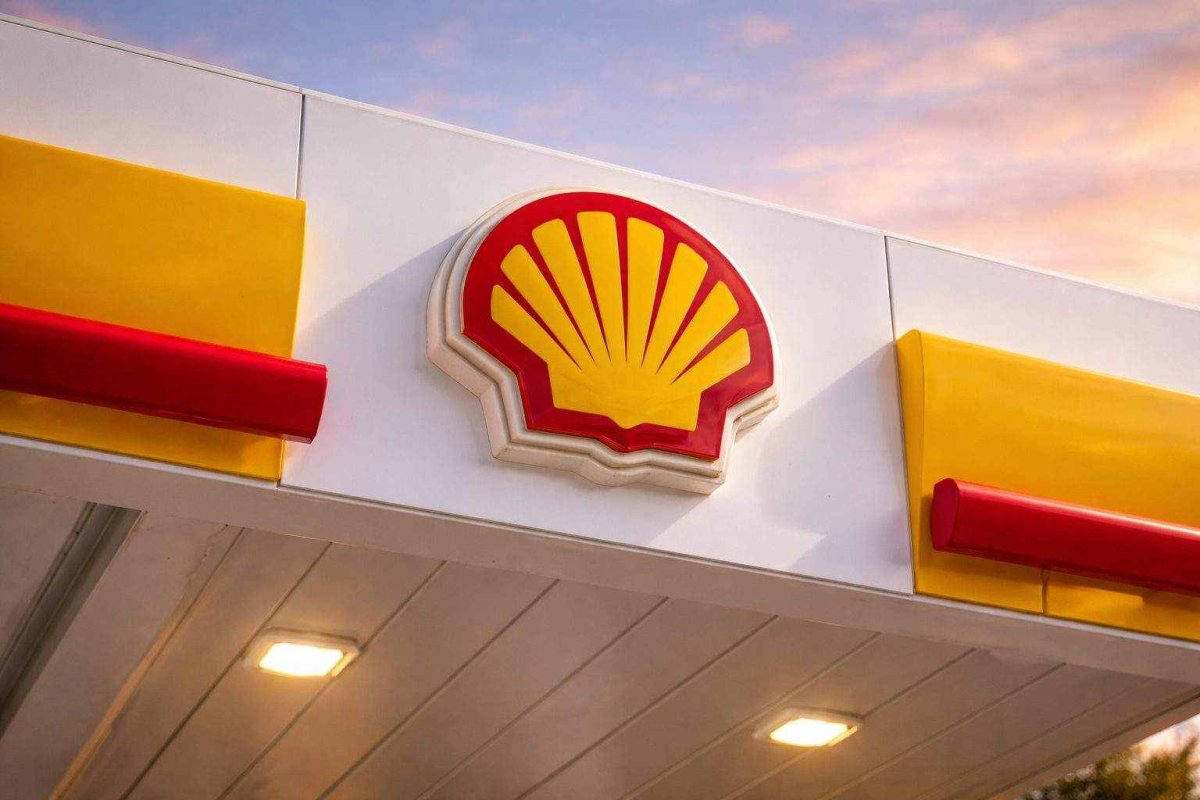
Shares of Shell plc reached a new 52-week high in London trading, buoyed by a regulatory shift that revives a major natural gas project long hampered by sanctions. The energy giant stated that recently issued U.S. general licenses for oil and gas activities in Venezuela will permit it to move forward with the Dragon gas field development, a venture stalled for years due to shifting American foreign policy.
The Dragon project, holding an estimated 4.5 trillion cubic feet of natural gas reserves, is designed to supply feedstock to the Atlantic LNG facility in Trinidad. Shell and BP each hold a 45% stake in this liquefaction plant, which has an annual capacity of 12 million tonnes but exported only 9 million tonnes in 2025 due to supply constraints. A company spokesperson described the license issuance as "a positive signal" that enables project progress.
Market Performance and Broader Context
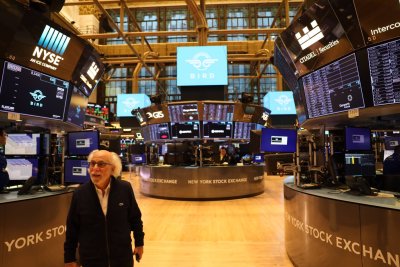
Shell's stock price rose 1.46% on Thursday to £29.44 (2,944 pence), outperforming the broader FTSE 100 index, which declined 0.55% to 10,627.04. Trading volume for Shell was 7.0 million shares, below its 50-day average of 9.5 million. This price action established a new 52-week peak for the company.
The development signals a cautious thaw in Venezuela's energy sector, bringing Shell into alignment with other international operators gradually re-engaging. Chevron, for instance, has maintained production through joint ventures with state-owned PDVSA, outputting roughly 240,000 to 250,000 barrels per day. However, significant political and sanctions-related risks continue to overhang the country.
Commodity and Geopolitical Backdrop
The news coincides with a supportive environment for energy equities, driven largely by robust crude oil prices. Brent futures traded near $71.99 per barrel, up 0.5%, while U.S. West Texas Intermediate crude gained 0.9% to approximately $67.05, both hovering around six-month highs. Analysts attribute the strength to heightened tensions between Washington and Iran, which have raised concerns over potential supply disruptions via the critical Strait of Hormuz.
"Crude oil prices have edged to six-month highs as concerns over potential supply risks from the Strait of Hormuz keep markets on edge," noted Priyanka Sachdeva, a senior market analyst at Phillip Nova. Prices received an additional boost from U.S. inventory data showing a larger-than-expected drawdown of 9 million barrels in crude stocks to 419.8 million barrels last week.
Corporate Actions and Shareholder Returns
Concurrent with the project news, Shell continued its shareholder return initiatives. The company repurchased 3,407,159 of its own shares on February 19 for cancellation, part of an ongoing buyback program. Morgan Stanley is independently managing trading decisions for this program from February 5 through May 1.
Thursday also marked an ex-dividend date for Shell, meaning new buyers will not be entitled to the next payout. The fourth interim dividend is set at 37.20 cents per share, scheduled for payment on March 30.
Project Risks and Forward Outlook
Despite the positive regulatory development, a substantial gap remains between being "allowed to progress" and generating actual cash flow. The Dragon project has a history of stops and starts, and Shell has not yet committed a date for a final investment decision. Any future reversal in U.S. policy could again delay progress. Furthermore, a pullback in crude oil prices could quickly pressure the project's economics and Shell's share price momentum.
For the near term, market participants will monitor the implementation of Venezuela's new licensing framework and whether Shell can translate it into concrete milestones for securing feedgas for the Atlantic LNG facility. Additional immediate catalysts for the stock include the conclusion of the current buyback program on May 1 and the dividend payment at the end of March.