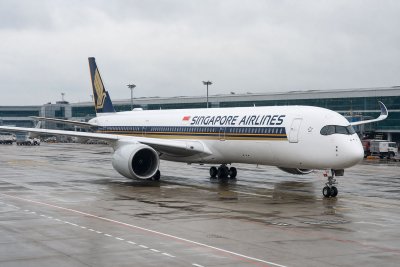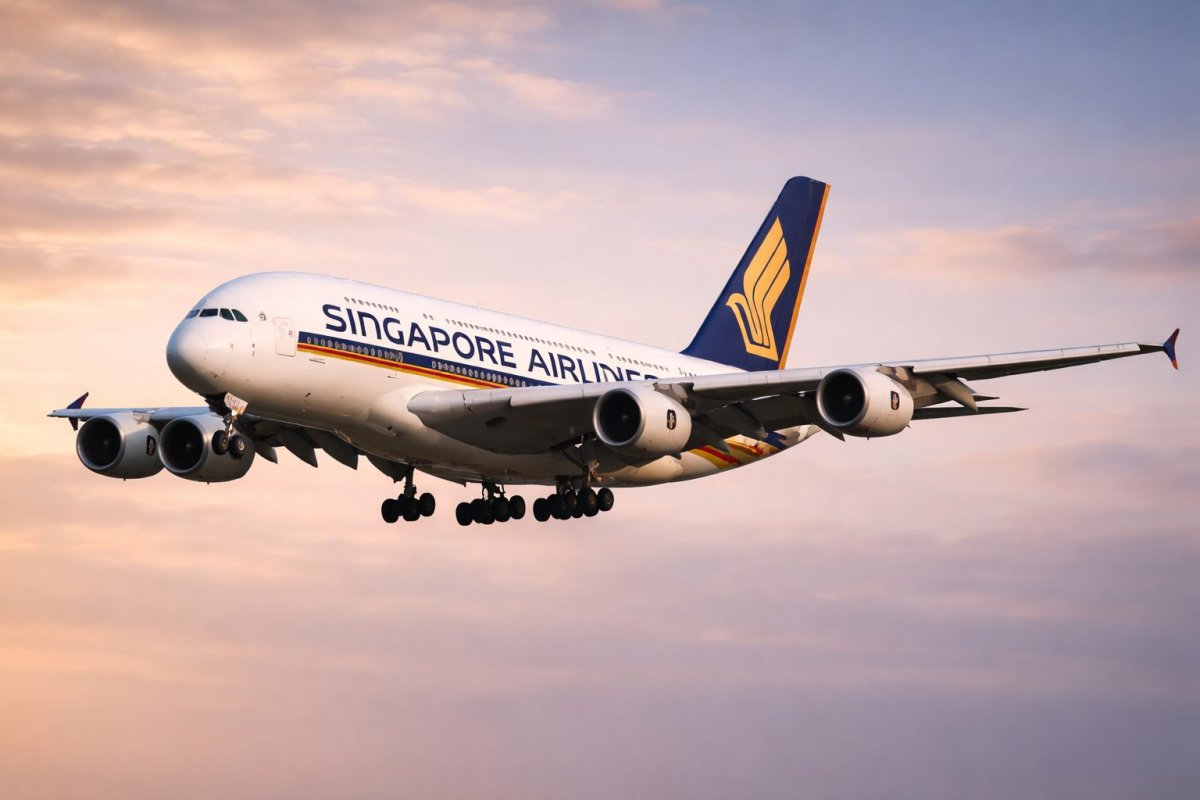
Singapore Airlines shares advanced on Monday afternoon, gaining 1.34% to reach S$6.79. The upward movement coincided with a decline in global oil benchmarks, providing a potential tailwind for airline operating costs. The broader Straits Times Index also moved higher, adding 0.57% during the session.
Oil Price Dynamics and Airline Sensitivity
The price of Brent crude oil fell by approximately 1% to $67.38 per barrel. This drop was largely attributed to renewed diplomatic discussions between the United States and Iran, which helped alleviate immediate market concerns over potential supply disruptions. For airline operators like Singapore Airlines, fuel expenses represent one of the most significant variable costs. Consequently, even modest shifts in the price of jet fuel, which is closely tied to crude oil, can have a material impact on near-term profitability and margin projections.
Market analysts noted that while the prospect of continued dialogue has temporarily eased supply fears, the oil market remains susceptible to geopolitical headlines. Any escalation in tensions could quickly reverse the price decline and reintroduce a risk premium, underscoring the volatile nature of this key input cost for the aviation sector.
Upcoming Financial Disclosure
Investor attention is now firmly set on Singapore Airlines' forthcoming third-quarter business update, scheduled for release on February 24. This report, expected after the market closes, will be scrutinized for critical data points beyond the influence of fuel. Analysts and shareholders will be examining trends in passenger demand, yield (a measure of pricing power), and the alignment of operational costs with the carrier's restored capacity.
The airline operates a dual-brand strategy, catering to both the full-service market under its main Singapore Airlines brand and the price-sensitive segment through its budget subsidiary, Scoot. This approach allows the group to capture demand across different traveler profiles, though it also requires nimble management of costs and network planning.
Broader Market Context
The positive session for Singapore Airlines occurred within a generally upbeat environment for Asian equities. Major indices across the region posted gains, with Japan's Nikkei index leading the advance. The rally in Japan followed a national election outcome that bolstered expectations for new fiscal stimulus measures. Simultaneously, global investors continued to assess the likelihood of an interest rate cut by the U.S. Federal Reserve by June, a factor influencing capital flows and currency valuations worldwide.
For the session, Singapore Airlines shares traded within a range of S$6.71 to S$6.80, according to market data. The stock had closed the previous trading day at S$6.70.
Strategic Considerations and Hedging
While a lower oil price environment is generally favorable for airlines, the direct benefit to Singapore Airlines' financials is not instantaneous. The actual impact depends on the timing of the carrier's fuel procurement and the structure of its existing hedging portfolio. Airlines often use financial instruments to lock in fuel prices for future periods, which can insulate them from short-term volatility but may also limit the upside from sudden price drops.
Therefore, the upcoming business update will be pivotal in providing clarity on how these cost dynamics are translating into financial performance. The market will be looking for management commentary on demand resilience, particularly in key routes, and any indications of competitive pressures or operational efficiencies being achieved.