Shares of Teradyne (TER) retreated modestly during Tuesday's trading session, declining approximately 0.9% to $307.26. This move represented a pullback from the stock's recent surge, which culminated in a 52-week closing high of $310.01 on Monday. The dip occurred despite a generally positive tone in the broader equity markets and within the semiconductor sector specifically.
Analyst Downgrade Amidst Price Strength
The primary catalyst for Tuesday's decline appears to be a ratings change from President Capital. The firm downgraded its stance on Teradyne to Neutral from a prior Buy recommendation. Concurrently, it raised its price target for the stock significantly to $308, up from a previous target of $209. This adjustment suggests the analyst believes much of the near-term upside has been captured following the stock's recent advance.
Trading volume was notably elevated, reaching 5.3 million shares. This figure stands well above the stock's 50-day average volume of 3.2 million shares, indicating heightened investor interest and activity surrounding the name. The stock's intraday range on Tuesday was between $299.50 and $313.32.
Company Profile and Market Context
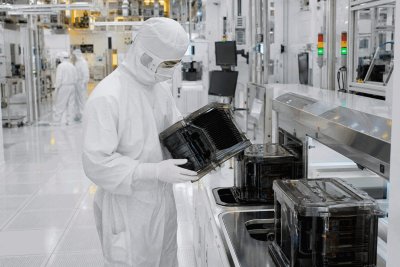
Teradyne is a leading provider of automated test equipment (ATE) used to validate semiconductors before they are shipped to customers. The company also operates an industrial robotics division focused on automation solutions for manufacturing and logistics. Its financial performance is closely tied to capital expenditure cycles within the semiconductor industry, making management's forward-looking guidance and order trends critical focal points for investors.
Earlier in February, the company provided first-quarter revenue guidance that exceeded Wall Street consensus estimates. Management attributed this positive outlook to robust demand linked to the artificial intelligence (AI) infrastructure build-out in data centers. CEO Greg Smith cited "strong momentum in compute driven by AI" as a key driver.
In late January, Teradyne's board declared a regular quarterly cash dividend of $0.13 per share. The dividend is payable on March 13 to shareholders of record as of February 13.
Macroeconomic Data as a Near-Term Catalyst
Market participants are now turning their attention to upcoming U.S. economic data releases, which have the potential to influence interest rate expectations and, by extension, rate-sensitive technology stocks like Teradyne. The January payrolls report is scheduled for release on Wednesday, February 11, followed by the January Consumer Price Index (CPI) inflation data on Friday, February 13. Both reports are set for 8:30 a.m. Eastern Time.
These indicators are closely watched by the Federal Reserve and can cause volatility in bond yields. Shifts in yields directly impact the valuation models used for growth-oriented technology and hardware companies, as future earnings are discounted back to present value at higher rates. Consequently, stronger-than-expected inflation or jobs data could pressure the sector, while softer data may provide a tailwind.
The dynamic for Teradyne and similar equipment suppliers is twofold. While the AI-driven demand cycle appears robust, any signs of a slowdown in capital investment from chipmakers or a shift in industry commentary could lead to order push-outs. Stocks trading at elevated valuations, as Teradyne has been, are often the first to react to such changes in sentiment. Investors will continue to monitor both company-specific execution and the broader macroeconomic landscape for directional cues.