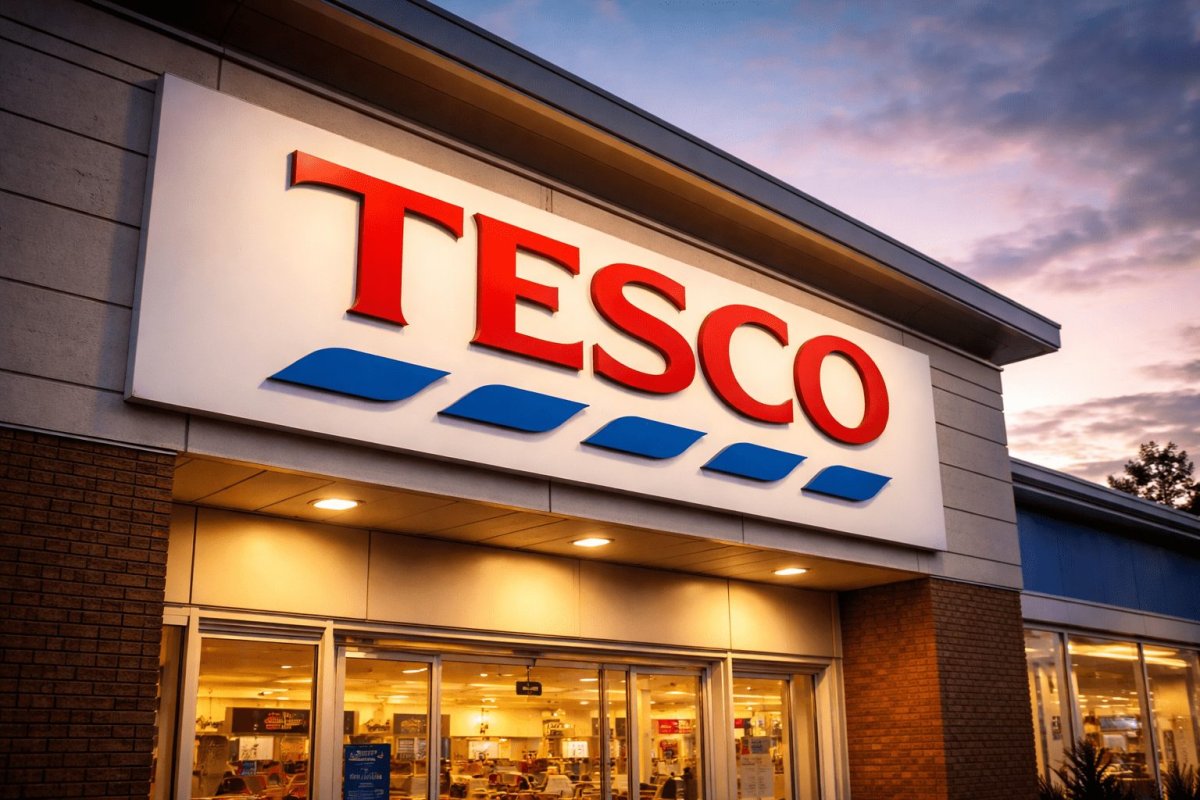
Tesco PLC (TSCO) shares experienced a modest pullback in early London trading on Thursday, declining approximately 0.6% to 467.5 pence. This movement follows a significant 2.6% advance recorded during the previous session, indicating a period of consolidation as the market digests recent gains.
The stock's retreat comes amid heightened investor scrutiny of UK consumer demand dynamics and the intensifying competitive landscape within the grocery sector. Price competitiveness and convenience remain paramount, with Tesco's strategic expansion into online and rapid delivery services becoming a focal point of market discussion.
All eyes are now firmly set on the company's upcoming preliminary results, scheduled for release on Thursday, April 16. Analysts and shareholders are anticipated to closely examine key metrics including profitability, cash return strategies, and the sustainability of the retailer's recent online sales growth. This event is expected to provide critical insight into the company's operational health and strategic direction.
Wednesday's closing price of 470.2 pence, which represented a 2.57% gain, left the share price less than 2% below its 52-week peak of 481 pence, achieved in November. Trading volumes for that session notably exceeded the stock's 50-day average, signaling strong investor interest.
This activity unfolds against a backdrop of robust UK retail data. The British Retail Consortium recently reported that January food sales registered their largest annual increase since August, with in-store purchases growing at their fastest pace in six months. Like-for-like sales, a key industry metric that adjusts for store openings and closures, also posted their best year-on-year performance since August.
Strategic Focus on Rapid Delivery
A central element of Tesco's growth strategy is its aggressive push into the rapid grocery delivery segment, specifically through its "Whoosh" service. The platform promises deliveries in as little as 20 minutes and has rapidly expanded its footprint. It now operates from approximately 1,600 stores and reaches over 70% of UK households. The final leg of delivery is handled by third-party partners such as Uber Eats, Just Eat, and Stuart.
In a recent commentary, Tesco's online director highlighted the efficiency of leveraging the existing store network for rapid scaling. This expansion is viewed as a strategic move to transform the potential competitive threat of quick commerce into a tangible advantage. Some portfolio managers have even suggested it is conceivable for Tesco to reclaim a 30% share of the UK grocery market over the coming years through such initiatives.
The competitive intensity in this space is significant. Rivals including Sainsbury's with its Chop Chop service, Asda Express Delivery, and Ocado's Zoom have all launched competing on-demand offerings. Meanwhile, Amazon continues to experiment with rapid grocery delivery in the UK market. Industry forecasts from the Institute of Grocery Distribution project the UK's quick-commerce sector—defined by grocery drop-offs within minutes—to grow at a compound annual rate of 10.1% through 2030.
However, this growth avenue is not without its challenges. Operating a rapid delivery network incurs substantial costs. There is a persistent risk that if sector-wide pricing pressures re-intensify, margin recovery could remain elusive even in the face of rising consumer demand.
Providing a positive backdrop, Tesco previously guided investors in January, indicating that its adjusted operating profit was likely to land at the top end of its forecast range, buoyed by stronger-than-expected Christmas sales. Furthermore, the company's ongoing share buyback program continues to attract investor attention. The program is expected to bring total repurchases since 2021 to roughly £4.25 billion by April 2026, underscoring a commitment to returning capital to shareholders.