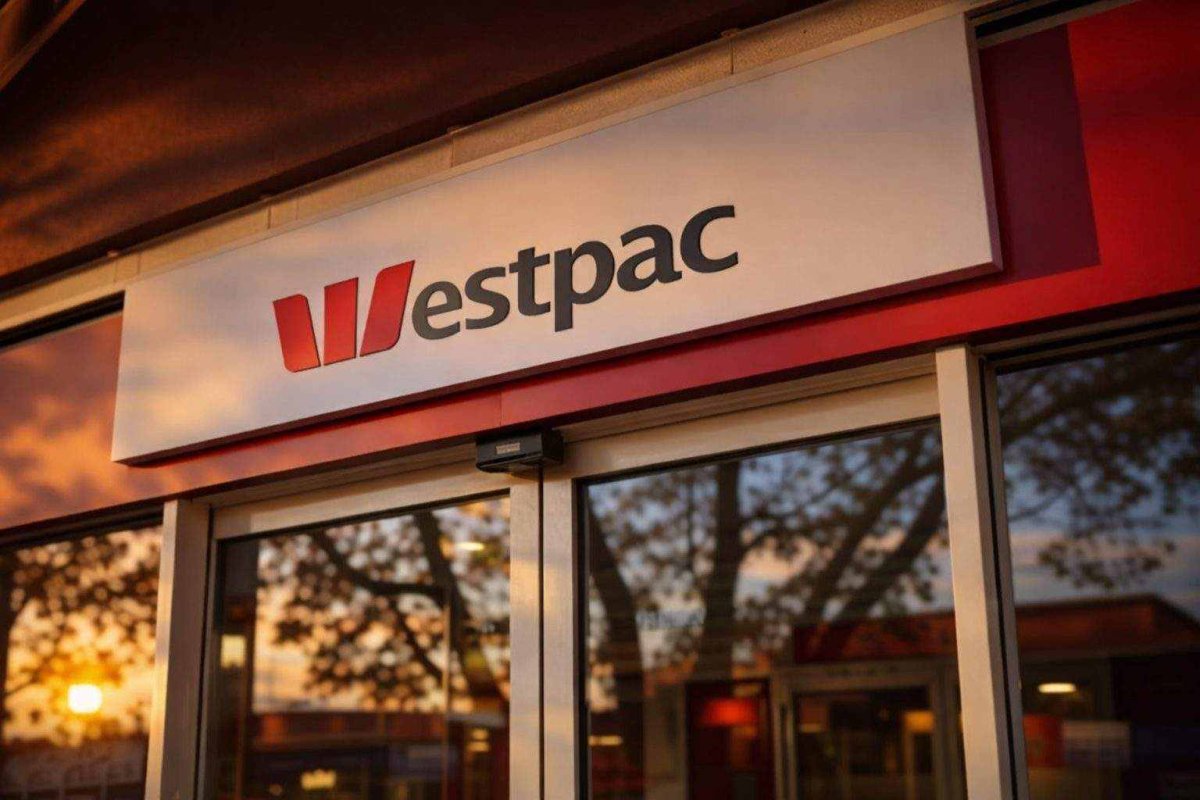
Westpac Banking Corp shares surged to their highest level in a year on Friday, closing at A$42.54 with a gain of 1.6%. This performance significantly outpaced the S&P/ASX 200 index, which declined by 0.2% to finish the session at 9,069.5 points. The rally in Westpac shares extended a recent upward trend, with the stock climbing approximately 4.3% over the past two trading days following a 2.7% advance on Thursday.
Bank Strength Underpins Market
The Australian financial sector has been a primary driver of market momentum in recent sessions. When investors seek rapid exposure to the domestic economy, major banks like Westpac often become focal points for capital allocation. This concentration in a handful of banking and mining giants, however, introduces a vulnerability, leaving the broader market more susceptible to a pullback should these leading sectors falter.
Westpac's latest financial update, released last week, continues to influence sentiment. The bank disclosed an unaudited statutory net profit of A$1.9 billion for its first quarter. A key metric, the core net interest margin—which measures the difference between income from loans and the cost of deposits—contracted by 3 basis points to 1.79%. Despite this pressure, Chief Executive Anthony Miller expressed confidence, stating, "We are optimistic on the outlook for the economy and expect demand for both business and household credit to remain resilient."
Economic Data and the Rate Outlook
The immediate focus for traders is shifting to macroeconomic indicators, with inflation data posing the next significant test. The Australian Bureau of Statistics is scheduled to release the Consumer Price Index (CPI) figures for January on February 25 at 11:30 a.m. AEDT. This data will be scrutinized for signals regarding the future path of interest rates, a critical factor for bank profitability tied to interest margins.
Recent labor market statistics showed stability, with the unemployment rate holding steady at 4.1% in January. Employment increased by 18,000 positions, driven by a gain of 50,000 full-time roles, which was partially offset by a loss of 33,000 part-time jobs. Sean Crick, Head of Labour Statistics at the ABS, confirmed, "The unemployment rate remained steady at 4.1 per cent in January."
Westpac's economics team maintained a positive growth outlook on Friday, looking past recent data volatility. Senior economist Pat Bustamante noted, "Overall, the signal is clear: leading indicators are outperforming and point to further gains in activity." The bank's nowcast model suggests the Gross Domestic Product (GDP) expanded by roughly 0.9% in the December quarter.
Underlying Vulnerabilities and Analyst Views
Despite the bullish price action, analysts highlight potential headwinds. A recent research note from Jarden, cited by FNArena, suggested major banks might be overstating the benefits derived from cheaper retail deposit funding. The firm warned that repricing pressures could continue to squeeze net interest margins. Reflecting this caution, Jarden maintains an "Underweight" rating on Westpac, indicating a recommendation to hold less of the stock than its weighting in the relevant benchmark index.
Looking ahead, Westpac's next formal financial update is not imminent. The bank's financial half-year concludes on March 31, with interim earnings and a dividend announcement scheduled for May 5, according to its investor calendar.
The market's direction in the coming week will likely hinge on the inflation report. A surprise in the CPI numbers could prompt a rapid reassessment of monetary policy expectations, potentially unsettling the current bid for banking stocks that has propelled indices higher.
