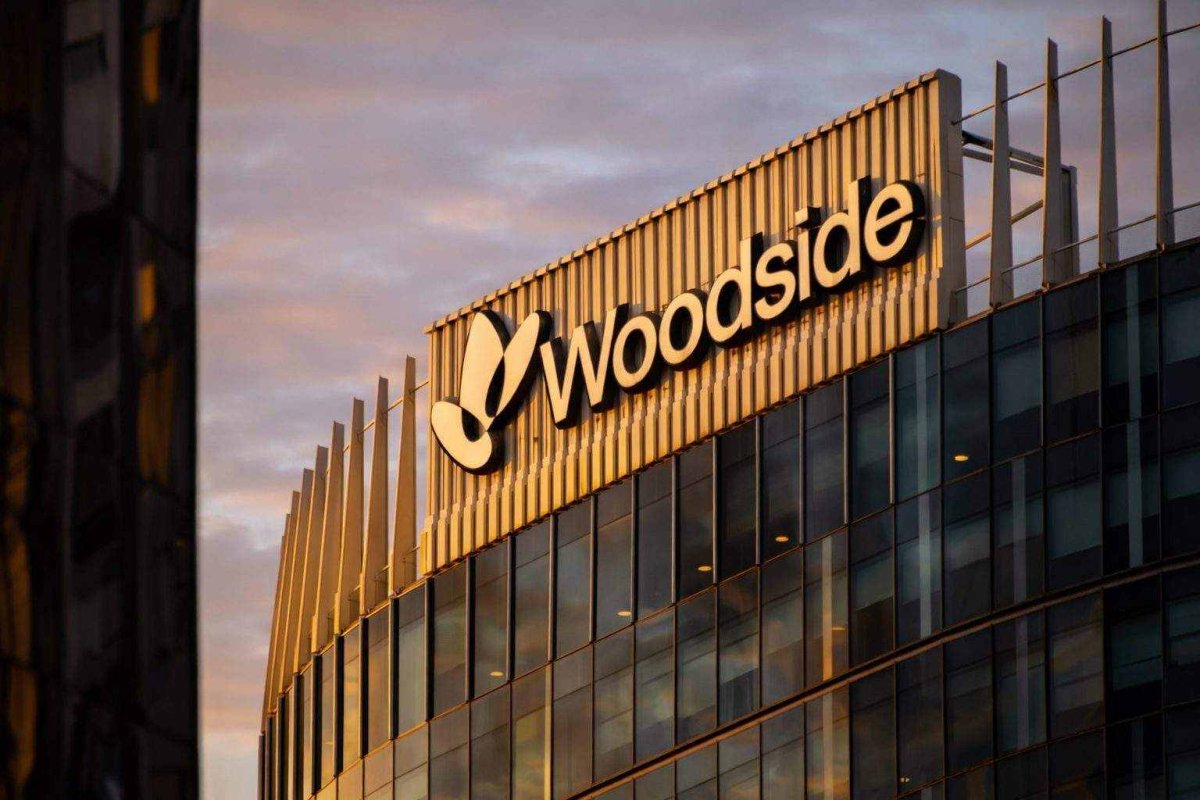
Shares of Woodside Energy Group Ltd rallied sharply during Thursday's trading session in Sydney, closing 4.5% higher at A$27.10. The move significantly outpaced the broader Australian market and was driven by a surge in global crude oil prices following renewed geopolitical friction between the United States and Iran.
The energy sector broadly benefited from the commodity price strength, with peers like Santos also posting notable gains. This sectoral strength provided crucial support to the ASX, helping the index remain in positive territory as capital flowed back into resource stocks. The afternoon session saw sustained buying interest as traders positioned themselves to capitalize on the upward momentum in oil markets.
Geopolitical Risk Premium Inflates Oil Prices
Crude oil benchmarks extended their gains during Asian trading hours, building on a rally of more than 4% in the previous session. Market participants are increasingly pricing in the risk that escalating U.S.-Iran tensions could disrupt maritime traffic through the critical Strait of Hormuz, a vital chokepoint for global oil shipments. Analysts note that while a full-scale military conflict is considered unlikely, the market is adopting a cautious "wait-and-see" stance, embedding a risk premium estimated between $7 and $10 per barrel into current prices.
Hiroyuki Kikukawa, chief strategist at Nissan Securities Investment, commented on the situation, stating, "The prevailing view is that full-scale armed conflict is unlikely." He emphasized that the market's reaction reflects a hedging strategy against potential supply disruptions, contingent on the strategic waterway remaining open.
Woodside's Reserve Base Shows Year-on-Year Decline
Ahead of its upcoming earnings report, Woodside disclosed its annual reserves statement. The company concluded 2025 with 1,882.1 million barrels of oil equivalent (MMboe) in proved, or 1P, reserves. This figure represents a decrease from the 1,975.7 MMboe reported at the end of 2024. Proved plus probable (2P) reserves were stated at 2,999.5 MMboe.
In the filing, Woodside also reported 2C contingent resources—discovered volumes not yet deemed commercially viable—at 5,795.7 MMboe as of December 31, 2025. Acting CEO Liz Westcott remarked, "Our 2025 reserves statement demonstrates the strength and resilience of our portfolio," highlighting the company's underlying asset base despite the annual fluctuation.
Understanding Reserve Classifications
In resource terminology, proved reserves refer to volumes that a company estimates with reasonable certainty to be economically recoverable under existing economic and operating conditions. Probable reserves carry a lower degree of confidence but are still considered more likely than not to be recovered. The disclosure is a key operational metric for energy producers, directly influencing valuation and long-term production forecasts.
The immediate driver for Woodside's stock price, however, remains largely external. The company's fortunes are tethered to volatile crude markets, creating a double-edged scenario. A de-escalation of geopolitical tensions could prompt a swift retreat in oil prices, pulling Australian energy shares lower. Conversely, a further escalation would likely boost crude prices and sector cash flows, but also amplify political risk and market volatility.
Investor Focus Shifts to Upcoming Financial Results
With the cash market closed, attention turns to whether oil can sustain its gains into Friday's trading. Woodside's share price bounce arrives as the earnings season concludes, a period when investors are particularly sensitive to any deviations in cost management or forward guidance.
The company's next significant market event is scheduled for Tuesday, February 24, 2026. Woodside will release its full-year financial results and host an investor briefing teleconference, commencing at 10:00 AM Australian Eastern Daylight Time (AEDT). The session will be led by Acting CEO Liz Westcott and Chief Financial Officer Graham Tiver, providing stakeholders with a detailed review of annual performance and strategic outlook.