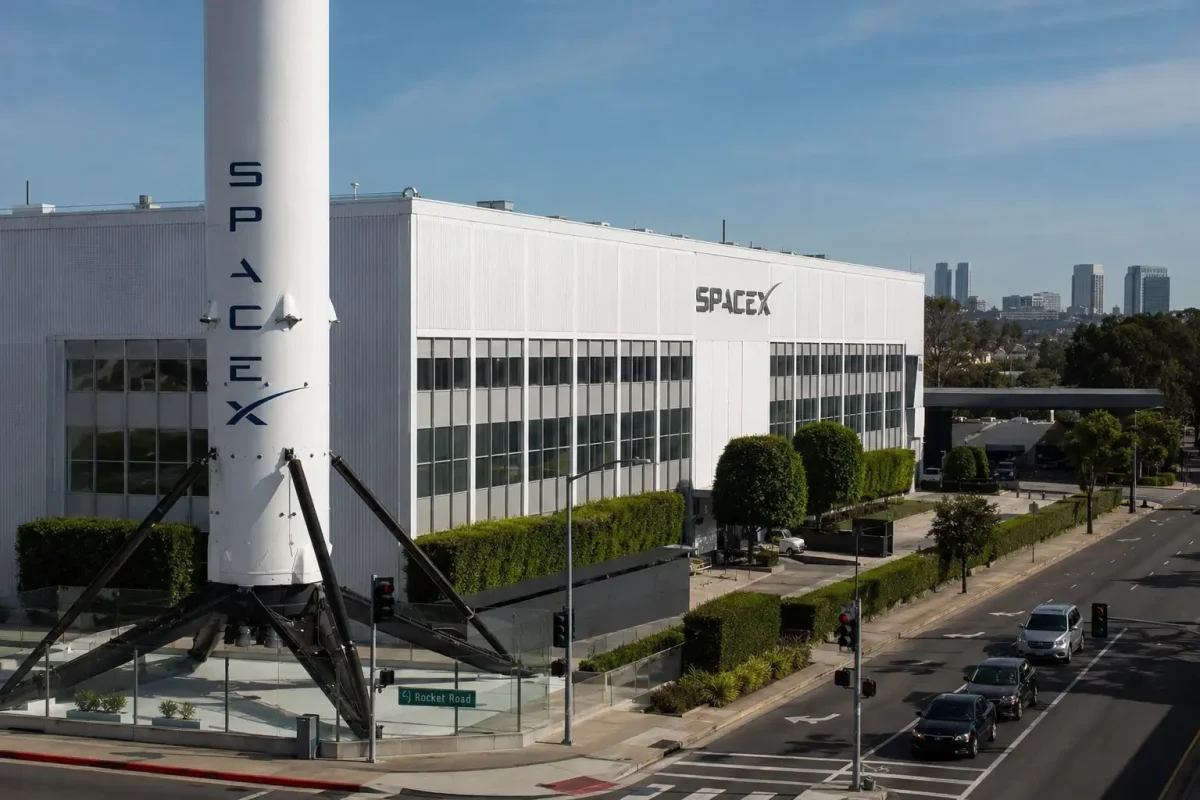
New York, June 12, 2026 — SpaceX made its highly anticipated public debut on Friday, instantly becoming one of the world's most valuable companies and delivering a massive payout to its earliest backers. The stock opened at $150 per share, climbed as high as $168, and closed at just over $161, giving the company a market capitalization of approximately $2.1 trillion.
Record-Breaking IPO
The IPO, priced at $135 per share, raised $75 billion — surpassing the previous record set by Saudi Aramco in 2019. The listing marks the culmination of years of anticipation for investors and space enthusiasts alike, as SpaceX transitions from a closely held private firm to a publicly traded giant under the ticker SPCX.
137 Ventures' Payday
Among the biggest winners is venture capital firm 137 Ventures, which holds just over 1% of SpaceX. At the company’s projected pre-IPO valuation of $1.77 trillion, that stake was valued at roughly $20 billion — and Friday’s surge pushed it even higher. Founder Justin Fishner-Wolfson, who first invested in SpaceX in 2011 while at Peter Thiel’s Founders Fund, has held onto the shares ever since. “This will most likely define my career,” he told The New York Times.
Fishner-Wolfson’s firm built its position by purchasing shares from private-company employees and other holders before the IPO. He plans to distribute the shares to his own investors, giving them the choice to sell, though he’s indicated he personally has no intention of exiting.
Financial Picture
Despite the euphoria, SpaceX’s financial filings reveal significant losses. The company reported a net loss of $4.937 billion for 2025 and an additional $4.276 billion loss in the first quarter of 2026. The disclosure has not dampened investor enthusiasm, but analysts remain cautious. Morningstar’s valuation of SpaceX stands at $780 billion — far below the opening market cap.
Governance and Risks
SpaceX’s dual-class share structure concentrates voting power: Class A shares carry one vote each, while Class B shares have ten votes, ensuring control remains with high-vote holders. The company has also warned investors about ongoing capital needs and unproven technologies, including its satellite network, orbital data centers, and artificial intelligence initiatives.
Musk’s Vision
CEO Elon Musk attended the Nasdaq opening bell ceremony remotely from Starbase in South Texas, reiterating his goal “to make life multiplanetary.” He told viewers, “SpaceX wants to be able to take you to the moon, take you to Mars and ultimately beyond.”
Broader Impact
The IPO has also highlighted other early backers, such as Antonio Gracias of Valor Equity Partners, who first invested in 2008 and even provided Musk a $1 million short-term loan during the 2008 financial crisis. The massive paper gains for 137 Ventures and others underscore the enormous wealth created by SpaceX’s journey from a risky startup to a $2 trillion public company.
