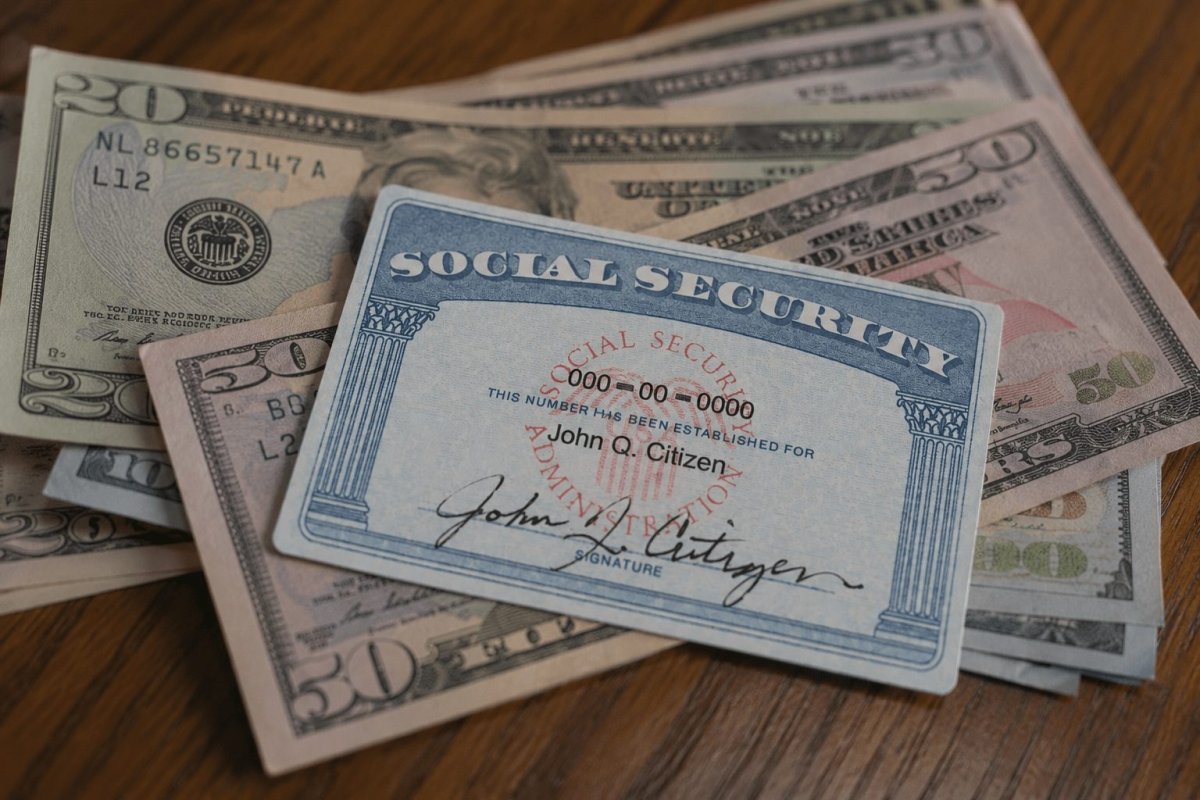
New retirement-finance reporting on Monday highlights a critical threshold for Americans claiming Social Security benefits early in 2026. The Social Security Administration's earnings test imposes a $24,480 cap on annual earnings for beneficiaries who have not yet reached full retirement age. Once income surpasses that limit, the agency withholds $1 in benefits for every $2 earned above it, potentially creating a cash-flow squeeze for those still working, gigging, or running a small business.
This rule is particularly relevant now because it directly impacts 2026 benefit checks. For individuals under full retirement age for the entire year, the earnings test applies strictly: $1 is deducted from benefits for each $2 earned over $24,480. The cap increases significantly in the year a worker reaches full retirement age, jumping to $65,160. In that transitional year, the withholding rate drops to $1 for every $3 earned above the threshold, but only income earned before the month of reaching full retirement age counts.
Full retirement age for those born on or after January 2, 1960, is 67. Once a beneficiary reaches that age, earnings no longer affect retirement benefits. For example, a self-employed 67-year-old earning $50,000 in 2026 would receive full benefits without any reduction from the earnings test.
The types of income counted by the SSA are more limited than many workers expect. The test applies to wages for employees and net earnings from self-employment. Investment income, interest, pensions, annuities, and capital gains are excluded. This distinction matters because it's not simply about hours worked. A beneficiary under full retirement age who earns $50,000 from self-employment in 2026 would be $25,520 above the lower cap, resulting in $12,760 in benefits withheld under the $1-for-$2 rule.
A special first-year rule applies if an individual retires partway through the year after exceeding the annual earnings limit. According to AARP, the monthly cap in 2026 is $2,040 for those under full retirement age. For those reaching full retirement age during the year, the monthly limit jumps to $5,430 for the months before their birthday month.
Self-employment presents additional complexities. In the first year of retirement, the SSA may review hours worked to determine if a self-employed person is truly retired. Working more than 45 hours per month generally indicates not retired, while fewer than 15 hours typically suggests retirement. The gray area between 15 and 45 hours depends on the nature and size of the business.
Personal-finance sources are warning early Social Security claimants about the 2026 limits. The Motley Fool described the threshold as a potential trap, and reports from Yahoo Finance and AOL, cited by AsatuNews, emphasize how the earnings test can cut benefits for those who file before full retirement age.
However, the money withheld is not permanently lost. The SSA recalculates benefits at full retirement age, so later payments can increase to account for earlier reductions. This adjustment offers little relief for individuals who need the income when checks are being reduced.
Critics argue the rule is confusing and may discourage work. Rachel Greszler, senior research fellow at Advancing American Freedom, told a Senate Aging Committee hearing in March 2026 that most people are unaware of the test and perceive it as an additional 50% tax, as reported by Investopedia.
Congress could potentially amend the rule. Senator Rick Scott proposed a bill in March to eliminate the retirement earnings test entirely. Until legislative action occurs, however, the SSA's 2026 thresholds remain in effect for early filers with job or self-employment income.