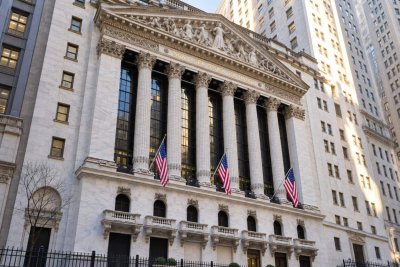
The Dow Jones Industrial Average made history Friday, closing above the 50,000 mark for the first time. The rally was powered by semiconductor stocks, with Nvidia surging 7.9%, while the S&P 500 gained 2%. However, the tech sector showed deep fissures as Amazon shares dropped 5.6% following its announcement of a planned $200 billion capital expenditure (capex) budget for 2026.
AI Spending Wave Draws Investor Scrutiny
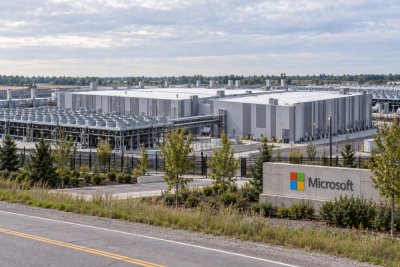
Capital expenditure is now the central focus for mega-cap technology firms. According to analyst reports, Alphabet, Microsoft, Amazon, and Meta are collectively on track to deploy over $630 billion into capex this year, driven overwhelmingly by artificial intelligence infrastructure. Amazon's $200 billion plan and a potential $135 billion outlay from Meta highlight the scale. Investors, however, are growing anxious about the payoff timeline for these enormous investments, even as cloud revenues continue to grow.
Market Divergence: Hardware vs. Software
The market is drawing a clear distinction between companies enabling the AI build-out and those potentially disrupted by it. While chipmakers and data center beneficiaries rallied, software stocks like ServiceNow and Salesforce faced pressure. "Investors are differentiating between who enables AI and who may be disrupted," noted Charu Chanana, chief investment strategist at Saxo.
This divergence extended beyond tech. The Russell 2000 index of small-cap stocks jumped 3.5%, significantly outperforming major indexes as money rotated into cheaper, smaller companies.
Economic Data and Rate Outlook Loom
The spending surge introduces new variables for the Federal Reserve. Officials have flagged that massive investment in data centers could potentially fuel inflation. This puts long-duration growth stocks at risk if price pressures reaccelerate. Traders are now looking ahead to a backlog of U.S. economic data, including a delayed January jobs report on Wednesday and Consumer Price Index figures on Friday, which will heavily influence interest rate expectations.
As markets reopen, the focus remains on whether the explosive growth in AI investment will deliver sufficient returns to justify the historic capital outlays, or if investor patience will wear thin.