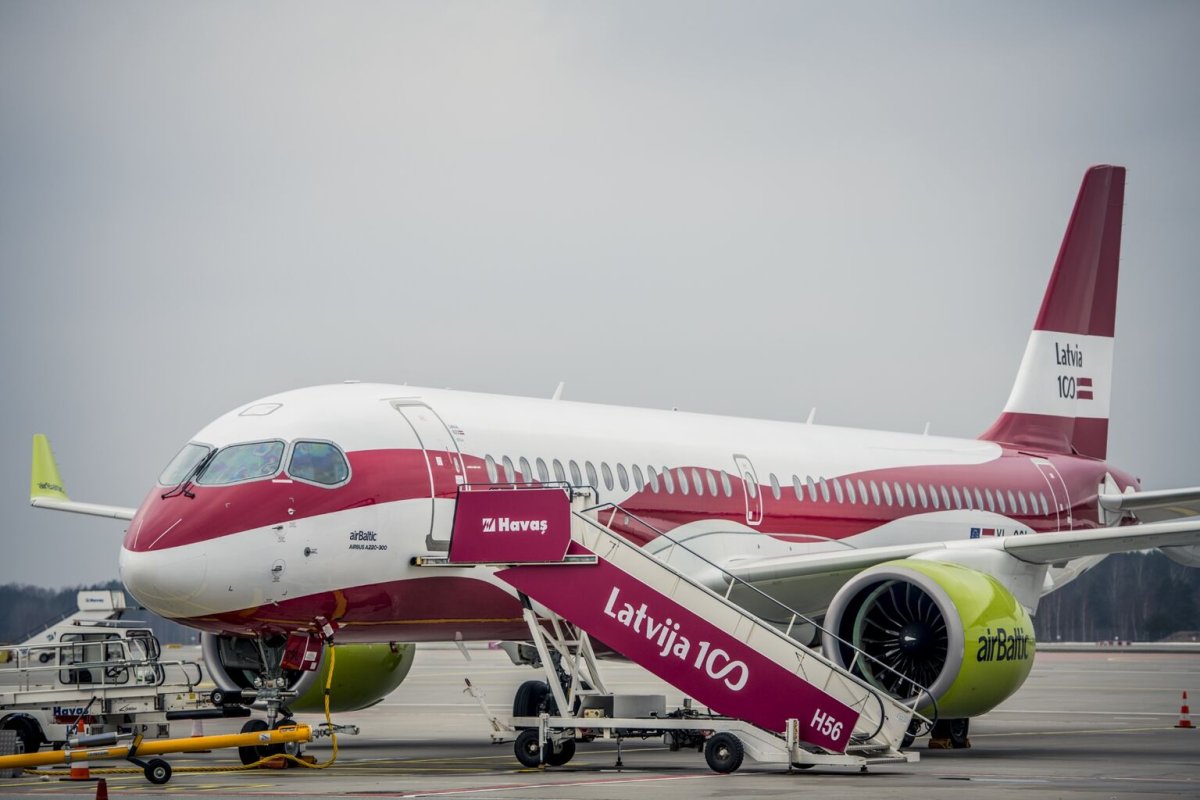
In a dramatic turn for the Baltic aviation market, airBaltic has sought Chapter 11 protection in the United States, a move that will see its all-Airbus A220 fleet shrink from 54 to 36 aircraft by the end of 2026. The Latvian carrier's restructuring comes as Ryanair, Europe's largest low-cost airline, unveils a bold counter-proposal: a conditional $1.6 billion investment plan that would more than double its locally based fleet to 16 aircraft from seven, and boost annual capacity to 11 million seats by 2031.
The two strategies are not a transaction between the airlines—Ryanair has explicitly ruled out rescuing or acquiring airBaltic. Instead, they represent competing capital deployment plans for the same region, each betting on different outcomes. For investors, the key question is how much traffic Ryanair can capture while airBaltic undergoes its restructuring, and whether Ryanair's headline investment will materialize if airport fees remain a sticking point.
Timeline of Key Events
Three dates define the contest. On September 14, airBaltic and certain subsidiaries voluntarily filed for Chapter 11 in New York, with flights and ticket sales continuing uninterrupted. Two days later, the court approved customary first-day relief and access to debtor-in-possession (DIP) financing, totaling up to €350 million, according to the airline's investor site. On September 17, Ryanair published its five-year Baltic proposal, tied to lower airport charges, and added 40,000 winter seats at Riga—a 6% increase.
Fleet Divergence
Measured in aircraft, the divergence is stark. airBaltic's planned reduction of 18 jets represents a one-third cut from its current fleet. Ryanair's proposal adds nine based aircraft, a 129% increase from its present Baltic deployment. While fleet counts do not translate one-for-one into traffic due to schedules, utilization, and leased capacity, they clearly signal each airline's strategic direction.
Ryanair's Conditional .6 Billion
Ryanair's investment is not unconditional. The airline wants lower access costs at Riga, Vilnius, Kaunas, and Tallinn before committing the full plan. It has already warned that its winter capacity in Lithuania and Estonia will fall 25% while airport charges remain high. This makes the proposal partly a negotiating document: Riga gets a modest near-term increase, but the larger 2031 build-out depends on governments and airports changing the economics.
For Ryanair shareholders, the Baltic plan is manageable even if it proceeds. Nine additional based aircraft would equal about 1.4% of the airline's 647-aircraft fleet at the end of its latest financial year. Ryanair reported 208.4 million passengers, €15.54 billion of revenue, and €2.26 billion of profit after tax for the year ended March 2026. The carrier already has a 300-aircraft Boeing 737 MAX 10 order scheduled to start delivering in 2027, so the Baltic allocation would compete with other routes for those aircraft rather than require a separate fleet program.
Ryanair's Nasdaq-listed ADRs traded at $53.10 at about 12:20 p.m. Eastern on Thursday, up 0.9% from Wednesday's close. Volume was roughly 1.1 million shares, about three-quarters of its recent daily average. That is too small a move to treat the Baltic announcement as the sole driver.
airBaltic's Financing: Buying Time, Not Certainty
airBaltic's €350 million DIP financing is designed to support operations during the reorganization. Reuters reported an interest rate of about 12%, subject to court approval. That is expensive liquidity. It preserves the network and the value of a functioning airline, but the interest bill raises the cash-flow threshold that a smaller fleet must clear.
The carrier says it served 5.2 million passengers in 2025 and has more than 70 destinations. Its restructuring now has to reconcile a smaller operating footprint with aircraft obligations, its 2024 secured bonds, and existing equity. Latvia owns the dominant stake and Deutsche Lufthansa owns 10%. Chapter 11 gives management a forum to renegotiate those claims; it does not preserve their current value.
Outlook
The strongest counterargument to a rapid Ryanair land grab is that airBaltic is still operating, still holds a concentrated A220 fleet, and still connects thinner routes that may not fit Ryanair's model. The next decisive evidence will be the final DIP-financing order and airBaltic's restructuring plan, followed by actual airport-fee agreements behind Ryanair's proposal. Until those documents arrive, the fleet figures are a useful map of ambition, not a completed transfer of market share.
