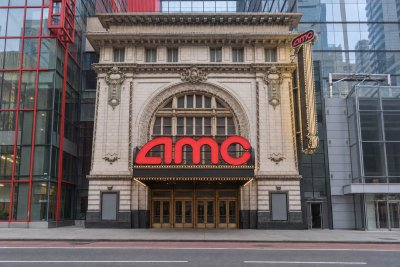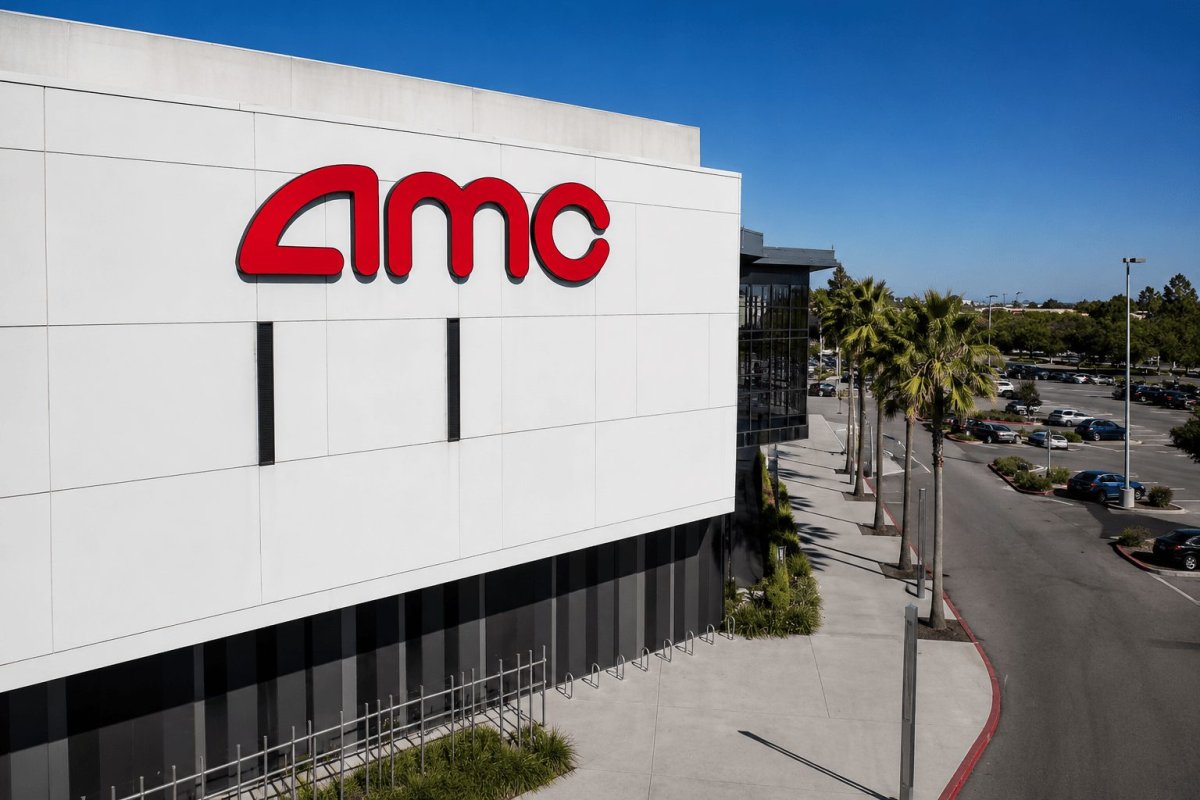
AMC Entertainment Holdings (NYSE: AMC) saw its stock climb 6.25% to close at $1.36 on Monday, recovering from last week's downturn. The shares traded between $1.24 and $1.40 during the session, with volume reaching approximately 20.4 million shares, well below the average of 32 million. The broader market was mixed, with the S&P 500 slipping 0.1%, the Nasdaq Composite falling 0.5%, and the Dow Jones Industrial Average gaining 0.3%.
On Friday, AMC shares had dropped 4.48% to $1.28, underperforming rivals Cinemark Holdings and Marcus Corp. However, on Monday, both Cinemark rose to $26.83 and Marcus reached $17.82, indicating a sector-wide bounce. The move comes as the company seeks to convert a stronger movie lineup into cash while addressing ongoing dilution fears.
Operational Updates and Menu Expansion
AMC provided a brief operational update before the market opened, announcing the rollout of its expanded Feature Fare menu to over 400 U.S. theaters. New offerings include popcorn chicken, hot honey sausage pizza, and street corn poppers. Hank Green, senior vice president of food and beverage, noted that the menu is "always evolving" based on guest feedback.
The company's food and beverage revenue for the first quarter surged to $347.3 million, up from $283.4 million in the same period last year. Total revenue reached $1.05 billion, compared to $862.5 million a year ago. Adjusted EBITDA came in at $38.3 million, a significant turnaround from a loss on the same basis in the prior year.
Financial Health and Dilution Risks
CEO Adam Aron attributed the improved performance to a stronger release slate, stating in the May earnings release that "the box office is back." He also highlighted that AMC posted its best first-quarter adjusted EBITDA since 2019, before the pandemic forced theater closures.
Despite these positive developments, the company's balance sheet remains under pressure. In a May 13 filing, AMC disclosed it issued 12.4 million Class A shares to holders of exchangeable notes, extinguishing the remaining $13.6 million in principal. All notes were canceled. Additionally, AMC raised approximately $71.7 million before fees through an at-the-market equity program, selling shares directly into the market over time. While this adds cash, it increases the share count and weighs on the stock.
Analyst Outlook and Risks
Eric Handler of Roth Capital raised his price target on AMC to $2 from $1.50 last month, while maintaining a Neutral rating. He sees potential gains from a multi-year content cycle but flagged equity dilution risk, high net leverage, and the possibility that free cash flow may not turn positive until 2027 or 2028.
If summer box office results disappoint, AMC may struggle to generate sufficient cash from larger audiences, potentially shifting investor focus back to cash burn, debt, and new share issuances. The company has warned that if liquidity deteriorates and revenue fails to recover, it could face a restructuring, either in or out of court.
Monday's share gain provides some breathing room, but the underlying debate over AMC's financial sustainability remains unresolved. The stock is still well below its 52-week high of $4.08, and its future trajectory will likely depend more on actual box-office cash flow than on menu innovations.