Shares of Advanced Micro Devices experienced a notable reversal on Thursday, declining 6.3% to $206.32 by midday trading. This pullback effectively erased a 7% surge from the previous session, highlighting the volatile nature of the semiconductor sector. The stock opened at $218 before touching a session low of $206.03.
Broad Chip Sector Retreat
The downturn was not isolated to AMD. The iShares Semiconductor ETF, a key benchmark for the industry, fell approximately 3.4%, wiping out a significant portion of its Wednesday rally. The move reflected a broader shift toward risk-off sentiment on Wall Street, with technology shares bearing the brunt of the selling pressure. Investors grappled with mixed signals regarding geopolitical tensions in the Middle East, contributing to the cautious atmosphere.
"Some of the downside scenarios aren't good for the global economy," noted Jack Herr, primary investment analyst at GuideStone, underscoring the persistent wariness in the market.
Catalysts and Supply Chain Dynamics
The previous day's rally was partly ignited by Arm, the British chip design firm. The company projected that its new AGI CPU could generate roughly $15 billion in annual revenue within five years. This optimistic forecast fueled investor belief that artificial intelligence demand is expanding beyond just graphics processing units, benefiting companies like AMD and Intel. Arm CEO Rene Haas characterized the product rollout as "a very pivotal moment" for the business.
However, underlying supply constraints continue to inject volatility. As reported back in February, both Intel and AMD alerted Chinese customers to impending shortages of server CPUs. For certain AMD chips, lead times stretched to eight or ten weeks, a clear indicator that the AI data center build-out is straining even traditional segments of the semiconductor supply chain. AMD expressed confidence at the time in its ability to meet demand, citing strong supplier relationships and its partnership with manufacturing giant TSMC.
Strategic Deals and Analyst Perspectives
AMD has been proactive in securing future demand. In February, the company inked a deal to supply up to $60 billion worth of AI chips to Meta Platforms over a five-year period. Matt Britzman, an analyst at Hargreaves Lansdown, described the agreement as "a vote of confidence" in AMD's new hardware. He also pointed out that the equity incentive provided to Meta could suggest AMD is "struggling to generate organic demand."
Recent financial guidance remains a point of focus for investors. In early February, AMD issued a first-quarter revenue forecast of around $9.8 billion. The stock declined at the time as traders concentrated on the sequential drop from the previous quarter and margins that continue to lag behind industry leader Nvidia.
"Expectations for AI hardware have gotten out of whack—people want 'large blowout quarters,'" commented Bob O'Donnell, President of TECHnalysis Research.
Strengthening the Foundation
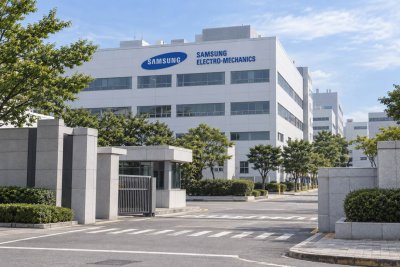
To bolster its position, AMD is actively reinforcing its supply chain and partnerships. Just last week, Samsung Electronics and AMD announced plans to enhance collaboration on next-generation high-bandwidth memory, or HBM. This stacked memory technology is critical as it sits adjacent to AI processors, accelerating data transfer speeds. The two companies are also exploring a potential foundry partnership, building on discussions initiated by AMD CEO Lisa Su during a visit to South Korea.
For AMD, the path forward involves navigating a complex landscape. While stronger CPU pricing and tight supply can provide intermittent boosts to sentiment, broader macroeconomic forces continue to pressure chip stock valuations. As noted on Thursday, many investors are currently treating factors like the oil shock and Middle East crisis as short-term stories, "measured in weeks, maybe a couple months." Should this narrative shift, names like AMD, Nvidia, and Intel could remain volatile, regardless of the underlying strength of AI-driven demand.