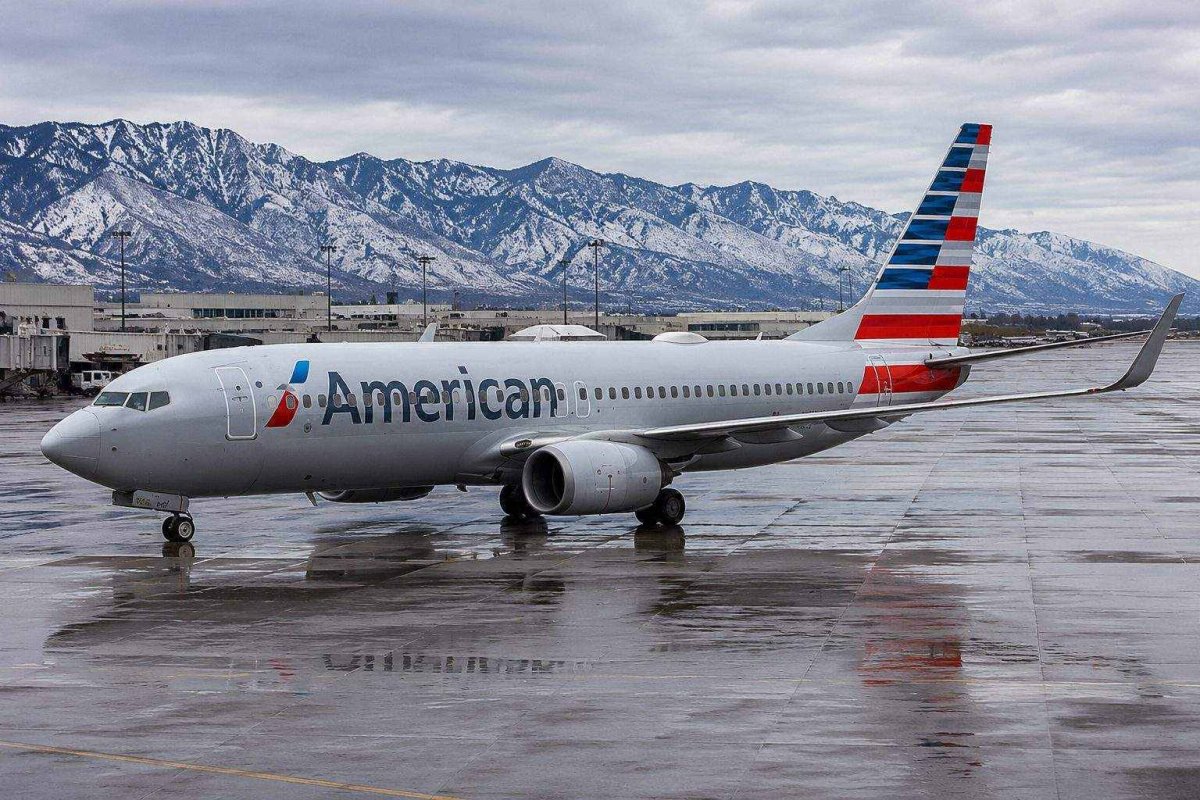
American Airlines Group Inc. (NASDAQ: AAL) saw its shares climb 2.2% to $16.39 in early trading Tuesday, extending a two-day advance of roughly 7.3%. The rally came as Brent crude oil dropped 4.7% to $79.82 a barrel, aided by renewed diplomatic optimism that increased the likelihood of smoother passage through the Strait of Hormuz. Airline stocks broadly benefited from the oil price reversal, with American and United leading the charge over Delta.
For American Airlines, the drop in fuel prices is particularly significant given its razor-thin operating margin. The carrier has disclosed that each one-cent change in annual fuel costs impacts expenses by approximately $45 million. A sustained 10-cent decline would reduce annual costs by about $450 million—a figure nearly equal to American's total operating profit of $446 million in the second quarter.
At 09:53 EDT, American traded at $16.39, up 2.2% within a range of $15.94 to $16.76, with a market value of $10.9 billion. Delta Air Lines (NYSE: DAL) rose 1.3% to $92.78, while United Airlines (NASDAQ: UAL) added 2.4% to $131.51. The broader market opened higher, with the Dow Jones Industrial Average and S&P 500 both advancing.
American's operating margin for the second quarter was just 2.7% on a GAAP basis, compared to 9.4% for Delta and 6.2% for United. The carrier reported revenue of $16.74 billion, up 16.3% year-over-year, but fuel costs surged 83.3% to $4.88 billion, causing operating income to plummet 60.7% to $446 million. These figures underscore how vulnerable American is to oil price fluctuations, even as it posted record revenue.
The crude drop was triggered by comments from Qatari officials and U.S. Treasury Secretary Scott Bessent, which fueled optimism over potential diplomatic resolutions. UBS analyst Giovanni Staunovo cited reports of a drafted U.S.-Iran resolution. Brent fell to its lowest level in three weeks, providing a welcome reprieve for airlines that have been grappling with elevated fuel expenses.
However, the airlines' current guidance reflects different fuel price assumptions and calculation timing, making direct comparisons difficult. American used the July 21 forward curve for its projections, while Delta factored in July 2 data and a five-cent refinery benefit, and United referenced July 14. The drop in crude prices will not translate perfectly into lower jet fuel costs, but the magnitude of potential savings is notable.
Using American's sensitivity figure, a 10-cent decline in annual fuel prices would cut pretax costs by $450 million, equivalent to 4.1% of its market capitalization. A 25-cent drop would save $1.13 billion (10.3% of market value), and a 50-cent decline would save $2.25 billion (20.7%). These are illustrative annualized figures and do not account for fare recovery, taxes, or changes in flight activity.
American has seen strong demand in premium cabins, with premium passenger unit revenue up 13.4% and managed corporate revenue advancing 26%. AAdvantage sign-ups rose over 30% in the second quarter, and co-branded credit card spending climbed 8%. Yet these gains have not fully offset the impact of higher fuel costs. CFO Devon May acknowledged that the anticipated recovery rate was "obviously not 100%" after the forecast for second-half fuel expenses rose by nearly $1.6 billion.
Risks remain, as diplomatic challenges could quickly reverse the oil price decline, and jet fuel prices may move independently from crude. Additionally, ongoing fare increases could dampen demand. With a thinner margin than its competitors, American has less buffer against unexpected shocks. The Tuesday rally signals potential cost relief, but the company's full-year earnings outlook remains unchanged, projecting a range of a 65-cent loss to a 65-cent gain, with breakeven as the midpoint.