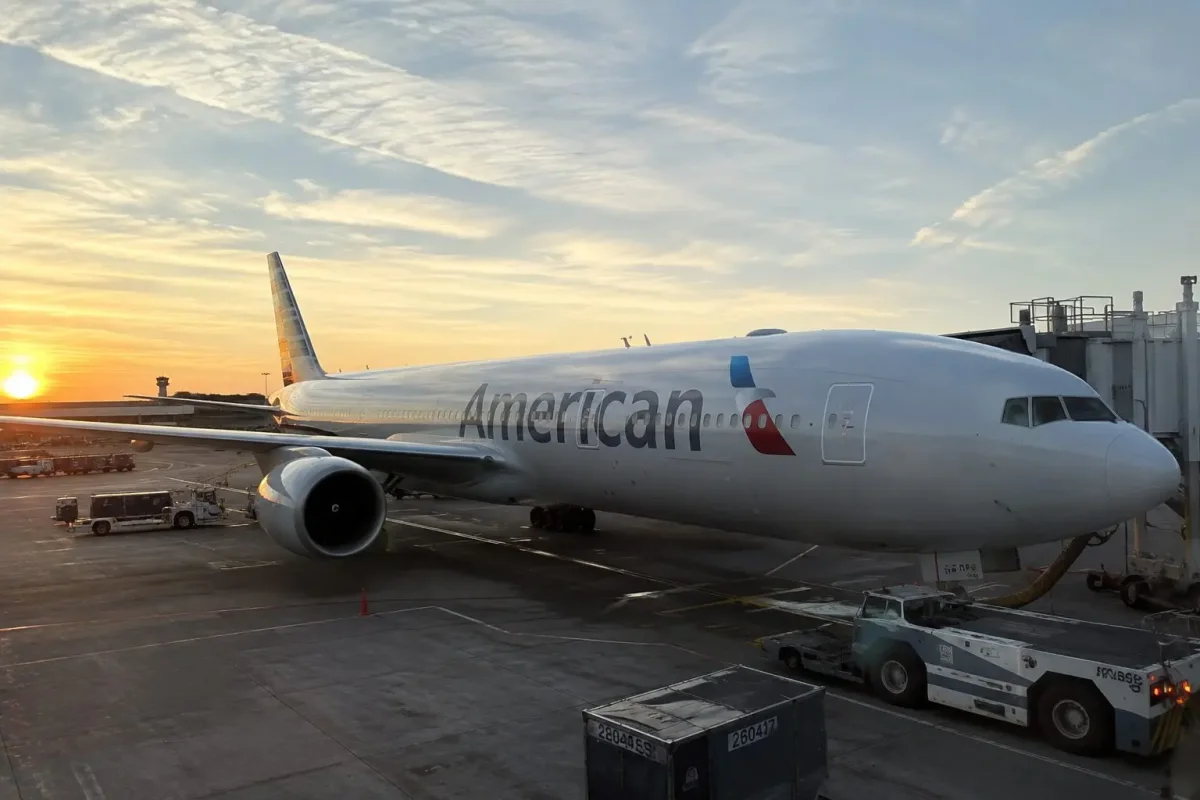
American Airlines Group Inc. (NASDAQ: AAL) saw its shares decline sharply on Monday, as a significant jump in jet fuel prices prompted investors to reassess the carrier's near-term earnings outlook. The stock closed at $16.31, down 3.78%, erasing approximately $420 million in market capitalization. Trading volume surged 62% above the 65-day average, indicating heightened investor attention and concern.
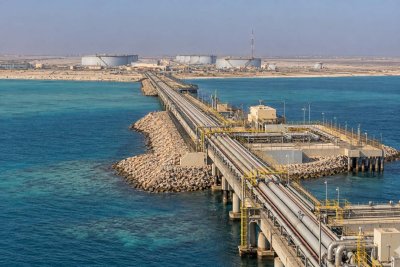
The catalyst for the selloff was a sharp rise in the Argus US Jet Fuel Index, which climbed 29 cents to $3.38 per gallon, a 9.4% increase from the prior session. This spike came amid a broader rally in crude oil, with Brent crude jumping 9.6% on Monday to settle at $83.30 per barrel, and adding another 3.3% early Tuesday to reach $86.04, as escalating U.S.-Iran tensions raised fears of disruptions to energy shipments through the Strait of Hormuz.
American Airlines has no fuel hedges in place, as disclosed in its latest quarterly filing. The company estimates that every 1-cent increase in jet fuel prices adds approximately $45 million to its annual fuel bill. At this sensitivity, a sustained 29-cent rise over a full year would increase gross fuel expense by roughly $1.31 billion. Even applying a 60% fare recapture rate—similar to what Delta Air Lines reported for the second quarter—the net annual impact would still be around $522 million, exceeding Monday's $420 million equity loss.
Monday's decline in American Airlines outpaced the broader market, with the S&P 500 falling 0.79% and Delta Air Lines dropping 1.37%. United Airlines Holdings Inc. (NASDAQ: UAL) slid 3.84%, roughly in line with American's decline. The disparity between Delta's smaller loss and the larger drops at American and United highlights the market's focus on pricing power. Delta recently reported that it had offset about 60% of its quarterly fuel cost increase through higher fares, with expectations of further recovery in the current quarter.
American Airlines has not yet provided similar quarter-end data. In its April guidance, the carrier based its second-quarter outlook on fuel prices around $4 per gallon, revenue growth of 13.5% to 16.5%, and adjusted earnings ranging from a loss of $0.20 to a gain of $0.20 per share. CEO Robert Isom stated at the time that the company still expected "modest profitability for the year" given prevailing fuel prices. While Monday's spot index of $3.38 remains below the second-quarter estimate, the recent price spike will have a greater impact on the third quarter, as the second quarter closed on June 30.
Debt is another factor weighing on American Airlines. The company ended the first quarter with $34.7 billion in total debt and $10.8 billion in liquidity, with debt roughly 3.2 times Monday's $10.78 billion market value. This high leverage can amplify the impact of earnings surprises on shareholders, making the company more sensitive to cost increases.
Analysts are divided on the outlook for oil prices. Soni Kumari of ANZ Group Holdings Ltd. (ASX: ANZ) suggested that "the peak of the escalation is behind us," but cautioned that ongoing disruptions could keep oil in the $85 to $90 range. Giovanni Staunovo of UBS Group AG (NYSE: UBS) noted that reduced tanker traffic could impact production and that "a disruption risk" was keeping prices supported.
The situation could also reverse if geopolitical tensions ease, potentially lowering fuel costs and allowing American to potentially exceed the 60% fare recapture rate. However, longer shipping disruptions or softer demand after Labor Day could limit the airline's ability to raise fares. American Airlines is scheduled to report second-quarter earnings on July 23 at 7:30 a.m. CT. Investors will be closely watching three key metrics: the average fuel price for the quarter, the extent to which higher fuel costs were offset by revenue, and management's fuel forecast for the third quarter.