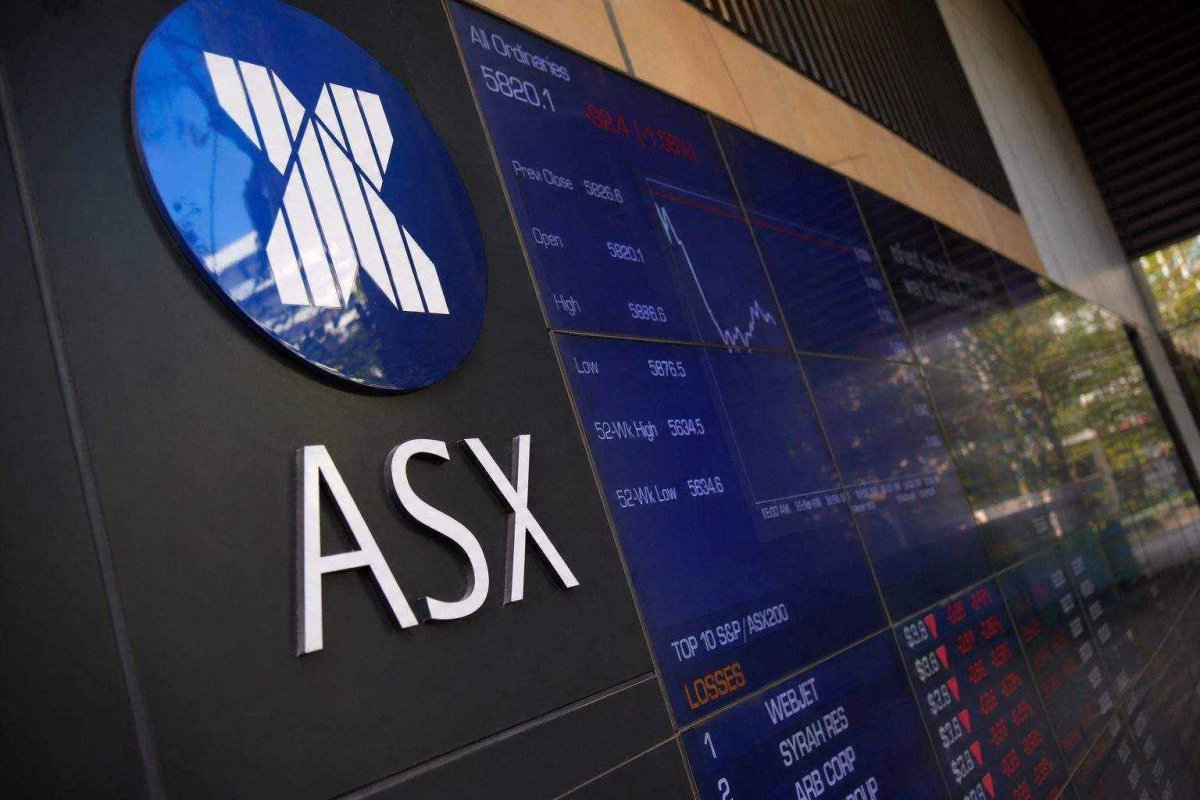
Australia's equity benchmark extended its losing run to five sessions on Monday, with the S&P/ASX 200 shedding 20.1 points, or 0.23%, to close at 8,766.40. The decline was broad-based, as nine of the 11 sectors finished in negative territory, with energy, utilities, and financial stocks leading the retreat.
The local market largely shrugged off record closes on Wall Street, where both the S&P 500 and the Nasdaq set new highs at the end of last week. Instead, Sydney traders focused on rising oil prices, persistent inflation concerns, and the upcoming Reserve Bank of Australia (RBA) interest rate decision scheduled for May 5. The combination of these factors weighed heavily on rate-sensitive sectors, including banks and consumer-related names.
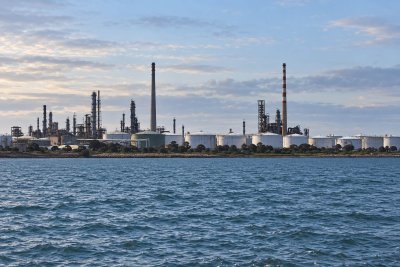
Energy stocks were the worst performers, with the sector falling 1.87%. Origin Energy (ASX: ORG) was the standout laggard, tumbling 5.25% to A$12.10 after the company reported weaker revenue from its Australia Pacific LNG project in the March quarter. It also trimmed its earnings guidance for Octopus Energy. Chief Executive Frank Calabria noted that the impact of oil price shifts on long-term export contracts will not be fully felt until fiscal year 2027 due to a 'lagged effect.' Fellow energy firm Viva Energy (ASX: VEA) also slid, dropping 3.75%.
The financial sector declined 0.47%, with bank stocks under particular pressure as investors braced for a potentially lackluster earnings season. ANZ (ASX: ANZ) is set to report its half-year results on Friday, adding to the cautious sentiment. Meanwhile, the utilities sector shed 2.81%, making it the worst-performing group of the day.
On the positive side, the materials sector managed a 0.63% gain, buoyed by a rebound in mining stocks. BHP Group (ASX: BHP) and Rio Tinto (ASX: RIO) both advanced, supported by higher gold prices, which also lifted gold miners. Healthcare eked out a marginal 0.07% rise, the only other sector in positive territory.
Atlas Arteria (ASX: ALX) soared to the top of the index after revealing an unsolicited takeover proposal from IFM Investors. The offer is A$4.75 per security in cash, which would increase to A$5.10 if IFM's stake reaches at least 45%. Atlas urged its security holders to take no action for now, stating that an independent board committee is evaluating the proposal.
Megaport (ASX: MP1) also bucked the broader market weakness. Its subsidiary, Latitude.sh, secured a 36-month contract valued at approximately US$25.1 million (A$35.4 million) to provide compute and storage services to an unnamed U.S. developer-tools firm. CEO Michael Reid attributed the deal to 'an explosion in AI use cases' driving demand for high-performance computing and storage infrastructure.
Oil prices remained a key focus, with Brent crude climbing over 2% during Asian trading hours. The breakdown in U.S.-Iran diplomatic negotiations has reignited fears of supply disruptions in the Middle East, raising the risk that higher fuel costs could push inflation higher. This development comes ahead of the March consumer price index (CPI) release from the Australian Bureau of Statistics on Wednesday, a critical data point that could influence the RBA's policy decision next week.
Hebe Chen, an analyst at Vantage Markets, described the collapse in U.S.-Iran talks as the 'spark' for the current market unease, but highlighted a broader 'toxic cocktail of unresolved geopolitics, sticky inflation and monetary policy uncertainty' as the main drag on sentiment. The Australian dollar was trading near 71.61 U.S. cents late in the session.
The All Ordinaries index eased 0.17% to 8,990.80. Looking ahead, the market's direction may hinge on the CPI data and the tone of the RBA's May statement. If inflation proves sticky or the central bank adopts a hawkish stance, bank stocks and other rate-sensitive names could face further headwinds, with limited room for error.