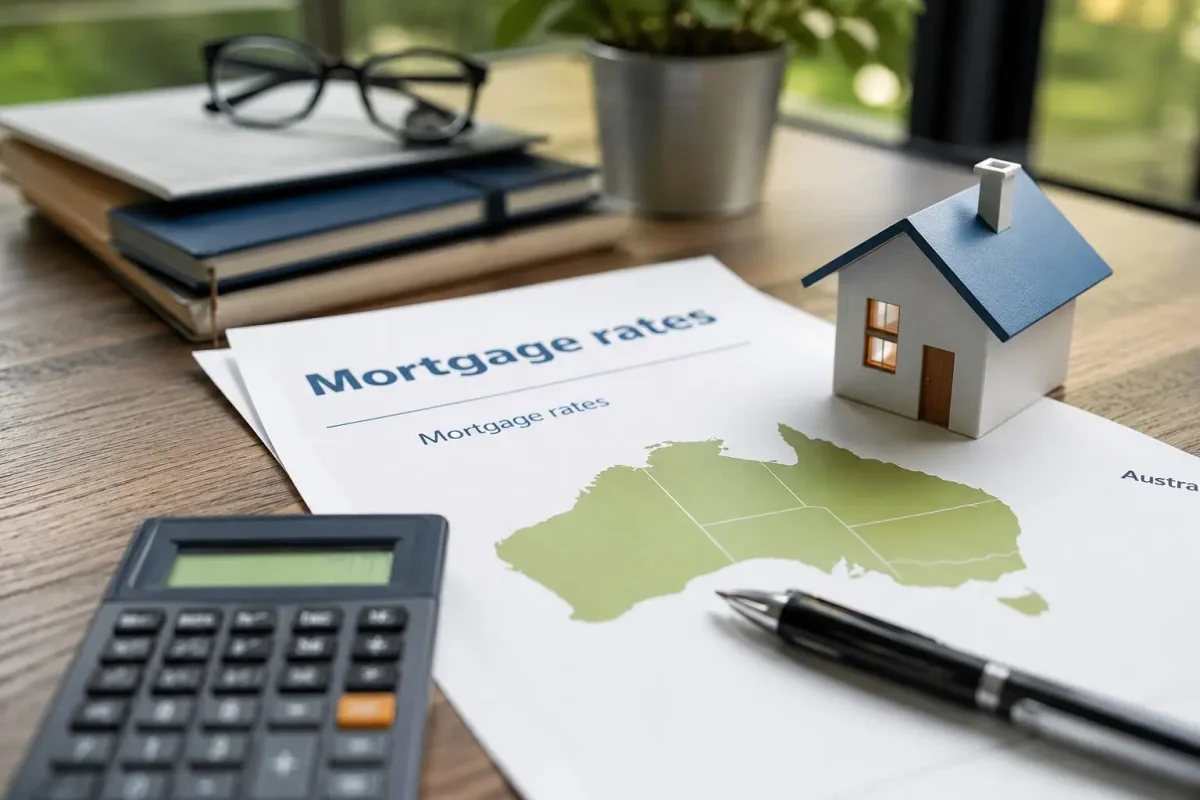
Mortgage rates in Australia and the United States continue to hover at elevated levels, offering little near-term relief for borrowers. The Reserve Bank of Australia (RBA) held its cash rate steady at 4.35% on Tuesday, while signaling that further tightening remains possible if inflation persists.
RBA Holds Firm, Warns of Further Hikes
The RBA's decision to maintain the current rate comes amid ongoing concerns about inflation, which remains above the central bank's target. Governor Michele Bullock stated, "If we need to increase again, we will." This stance keeps pressure on mortgage holders and first-home buyers who are already grappling with high borrowing costs. The central bank's caution reflects persistent inflationary pressures, with the consumer price index rising 4.2% year-over-year through April, according to the Australian Bureau of Statistics.
Spending Debate Heats Up
A debate over the nature of the cost-of-living challenge has emerged, with a Melbourne mortgage broker claiming young Australians face a "cost of spending crisis." Nick Rabba, who works extensively with first-home buyers, noted in a LinkedIn post that many clients limit their borrowing capacity by overspending on discretionary items such as food delivery services, subscription services, designer goods, and travel. "We aren't in a cost of living crisis. We're in a cost of spending crisis," Rabba wrote.
However, official data paints a different picture, showing that essential costs continue to rise sharply. Housing costs increased 6.3%, transportation jumped 6.6%, and food and non-alcoholic beverages rose 2.8% over the year to April. These figures suggest that many households are facing genuine financial strain beyond discretionary choices.
US Mortgage Rates Remain Elevated
Across the Pacific, US mortgage rates have also stayed high, with the 30-year fixed purchase mortgage averaging 6.59% as of June 16, according to Bankrate. The 15-year fixed rate stood at 5.95%, while refinance rates for a 30-year fixed loan were slightly higher at 6.69%. Yahoo Finance reported the average 30-year fixed rate at 6.31% on June 16, down 4 basis points from the previous day. Norada Real Estate listed similar rates, with a 30-year fixed at 6.35% and a 15-year at 5.78% on June 15, calling it a slight easing in monthly costs.
Freddie Mac's data showed the 30-year fixed mortgage rate at 6.52% for the week ending June 11, up from 6.48% the prior week, compared to 6.84% a year ago. US borrowers are closely watching the Federal Reserve's policy decision, which was set to be announced on June 16-17.
Rate Outlook Diverges Among Banks
In Australia, the outlook for interest rates is dividing financial institutions. Commonwealth Bank and ANZ both told The Guardian they believe rates have peaked, while Westpac is still forecasting a hike in August. The uncertainty adds to the challenges faced by potential home buyers, who must navigate both high rates and tightening credit conditions.
Serviceability Checks and Market Dynamics
Rabba emphasized that lenders scrutinize discretionary spending during serviceability checks—the assessments banks use to determine a borrower's ability to repay a loan. He noted that many clients underestimate how subscriptions, takeout, and travel loans affect their approval chances. However, relying solely on behavioral explanations carries risks; if inflation remains stubborn or central banks hike rates further, even disciplined savers could see borrowing limits slashed.
The housing market is also showing signs of shifting dynamics. Realtor.com economists warn that sellers asking too high a price may see their homes linger on the market, losing leverage. Senior economist Joel Berner noted that homes closing within four weeks of listing tend to fetch higher prices than those that stay longer.
As the debate over spending versus cost of living continues, borrowers are receiving a complex message: personal spending habits matter, especially when applying for a loan, but interest rates remain the dominant factor influencing affordability.