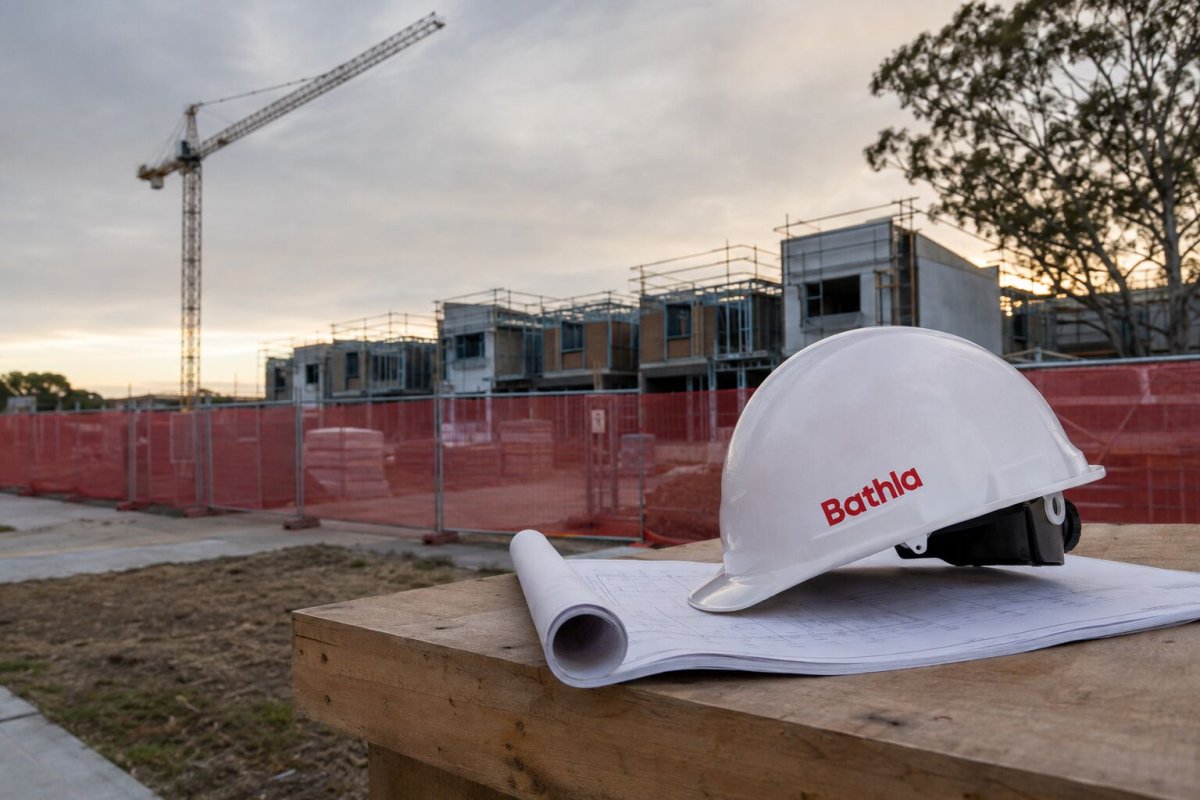
SYDNEY, September 6, 2026 – Bathla Group's 219 property sites carry a preliminary stated value of A$4.9 billion, against known debt of approximately A$3.4 billion. This apparent A$1.5 billion surplus is deceptive, as the real challenge lies in cash flow, not balance sheet strength.
At Friday's first creditors meeting, administrators revealed that the company's assets are illiquid, and project-specific financing means sale proceeds will likely be directed to each property's lender. The immediate crisis is liquidity, with cash needed to cover ongoing construction costs, not just the headline collateral value.
Liquidity vs. Collateral
The balance sheet appears healthier than the cash position. The A$4.9 billion preliminary site value compares with A$3.4 billion in known debt, implying a debt-to-value ratio of 69%. However, this arithmetic does not account for selling costs, valuation adjustments, or the fact that secured lenders hold first claim on project revenues.
Secured lenders are owed A$3.08 billion, representing 90.6% of disclosed claims. Taxes and unsecured claims, including A$145 million to the ATO and A$42 million in land tax, sit behind this heavily collateralized core.
Funding Deadline Approaches
Administrators are in talks with five lenders, with Monday morning set as the practical deadline for securing fresh funding. Without it, unsupported sites may lose construction financing, even if other projects survive. The company requires A$1.0–A$1.3 million weekly to maintain construction support.
While A$400 million in property is under contract or offered for sale, none of that is expected to deliver near-term group cash. The company entered voluntary administration on August 25, and the sprawling corporate structure, including Universal Property Group and Raj & Jai Construction, complicates any portfolio-wide rescue.
Regulatory Scrutiny Intensifies
The collapse has become a regulatory test. ASIC told Parliament on Friday that there have been several troubling developments in the private credit sector, identifying Bathla as the most notable recent case. This matters because valuations set reported loan-to-value ratios and fund returns, and can influence withdrawal decisions.
Bathla's A$3.4 billion total debt equals 1.7% of the estimated A$200 billion Australian private credit market, of which roughly half is real estate-related. While the systemic risk appears contained – private credit accounts for less than 2% of Australian financial-system assets – the impact on individual funds could be severe.
Investor and Homebuyer Implications
Assigning losses to listed managers or banks would be premature, as the latest public creditor numbers do not provide a complete lender-by-lender allocation. Home buyers face a separate reconciliation, with some deposits held in law-firm trust accounts while others were used for project funding.
The outcome hinges on Monday's funding decision. A successful agreement could preserve construction and reduce forced-sale pressure, while delays or weaker appraisals would erode the apparent asset cushion. The next key metric will be the count of funded sites and recoveries assigned to each secured pool, revealing whether the A$4.9 billion is true collateral or merely comfort.
