London, July 13, 2026 – BP PLC (LON:BP) saw its shares climb 2.1% to 492.85 pence by 0948 BST on Monday, outperforming a 0.9% gain in Shell PLC (LON:SHEL) to 3,066.5 pence. The move came as fresh U.S.-Iran attacks pushed Brent crude above $79.70 before settling back to $78.75.
“Hormuz is the market’s pressure point,” said Patrick Munnelly, analyst at Tickmill, highlighting the Strait of Hormuz as a key risk factor for oil markets.
The relative performance is what matters to investors. BP had risen 3.3% from July 3 through July 10, while Shell gained 5.1% over the same period. Monday’s 1.2-percentage-point lead for BP erased about 67% of Shell’s 1.8-point advantage from the prior week, based on closing and intraday prices.
This reversal is significant because BP is set to release its second-quarter trading statement at 7 a.m. BST on Tuesday. The update will provide a pre-results snapshot of operating and market trends, and investors are eager to see whether the volatility that boosted trading income also translated into cash generation and debt reduction.
In the first quarter, BP’s underlying replacement-cost profit – its preferred measure of net income – more than doubled to $3.2 billion. However, a $6 billion working-capital build, involving current assets such as inventory and receivables minus short-term liabilities, pushed net debt to $25.3 billion from just over $22 billion. Oil trading was exceptional, but cash conversion was not.
Shell’s update provides a clear peer benchmark. The company forecast a $1 billion-to-$6 billion second-quarter working-capital inflow, effectively a release of cash, and significantly stronger gas-trading results. BP can report a good trading quarter and still disappoint if its balance sheet barely moves.
Chief Executive Meg O’Neill last week said BP needed to make “fewer, better choices” and tighten discipline in costs, cash and capital. The group shifted on July 1 to two divisions – upstream production and downstream refining and sales – with debt reduction at the front of its reset.
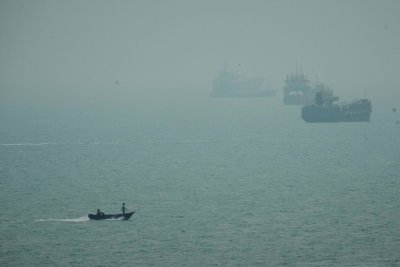
But the trade can turn fast. Mohit Kumar, an economist at Jefferies, said he remained optimistic that a temporary “patch” could keep oil flowing and cap prices. U.S. officials said about 20 vessels had been escorted through Hormuz in the previous 24 hours, though ship tracking still showed little traffic. Better shipping or a deal would strip out the risk premium and could reverse BP’s sharper move.
Tuesday’s test is therefore narrow: trading quality, working-capital direction and net debt. Strong trading with little debt relief would leave Monday’s catch-up looking like a one-day crude trade, not proof that BP’s reset is gaining traction.